
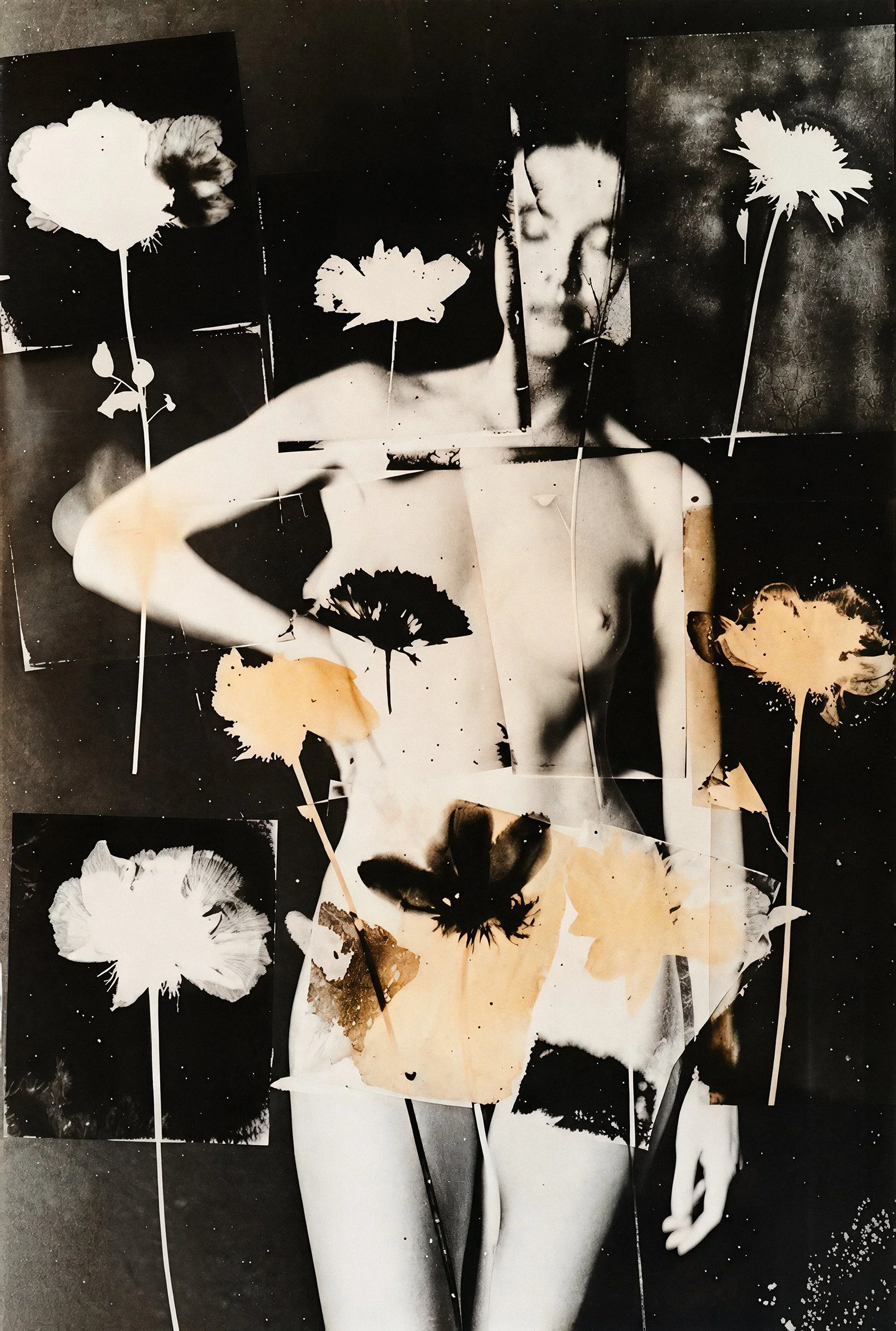
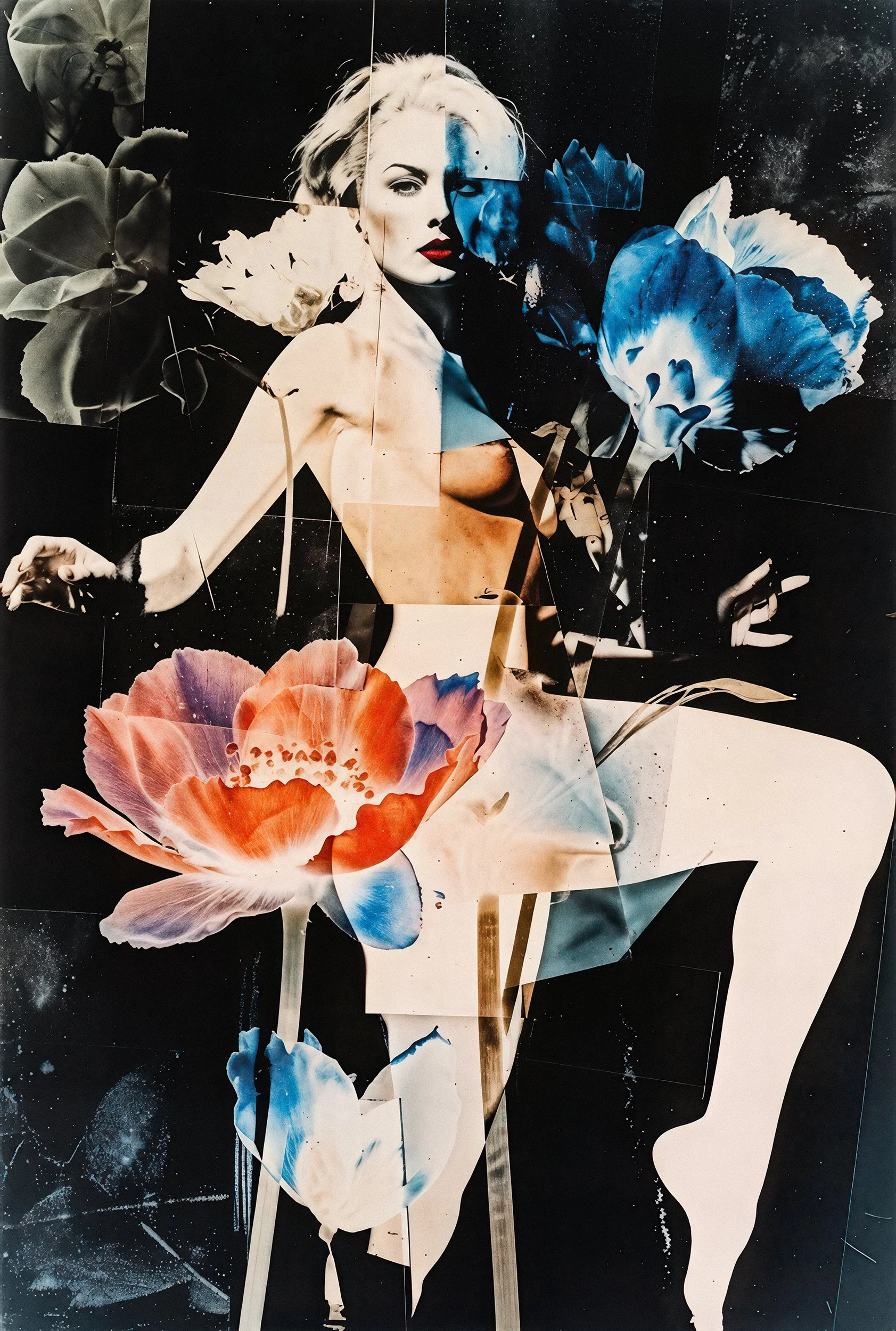
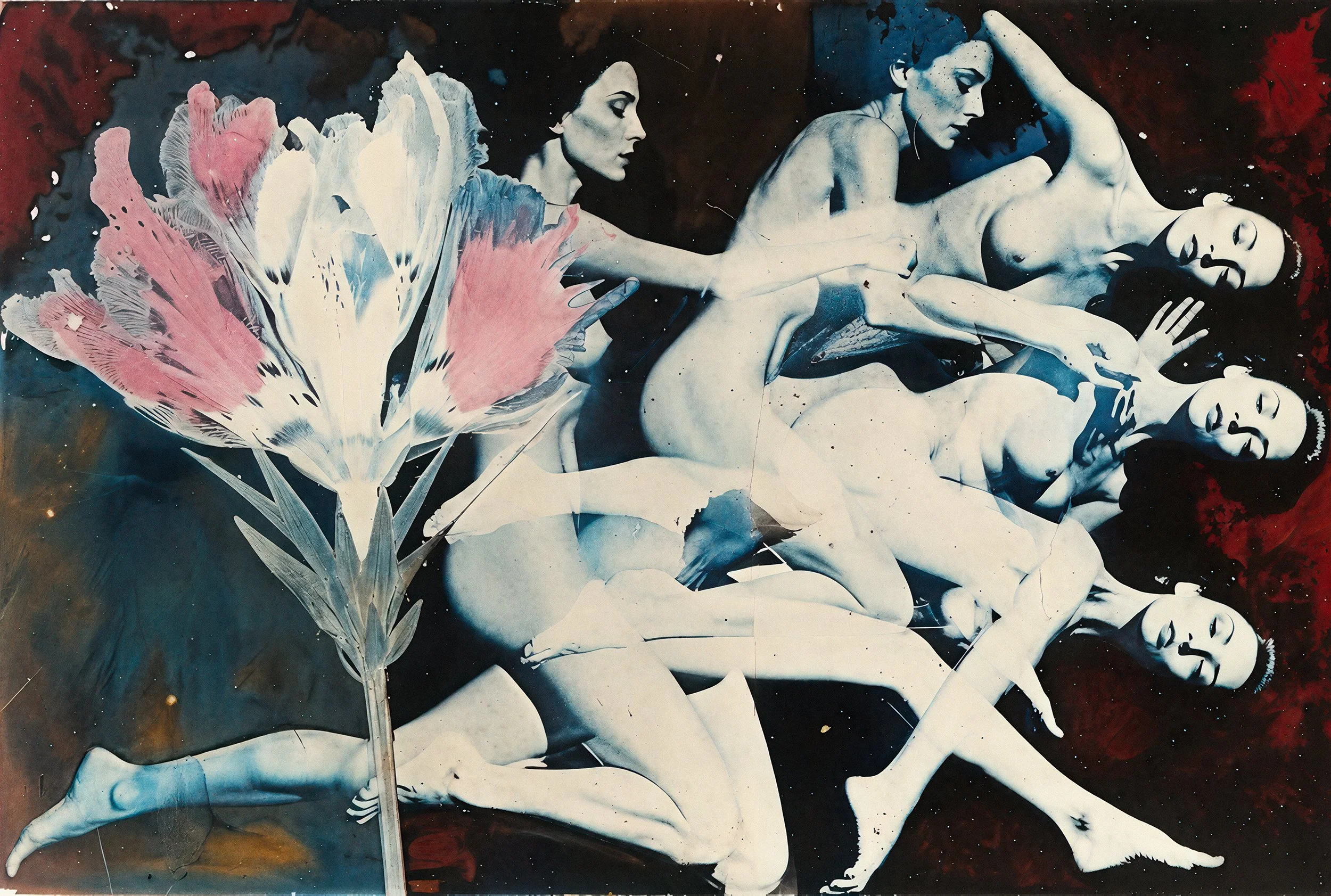
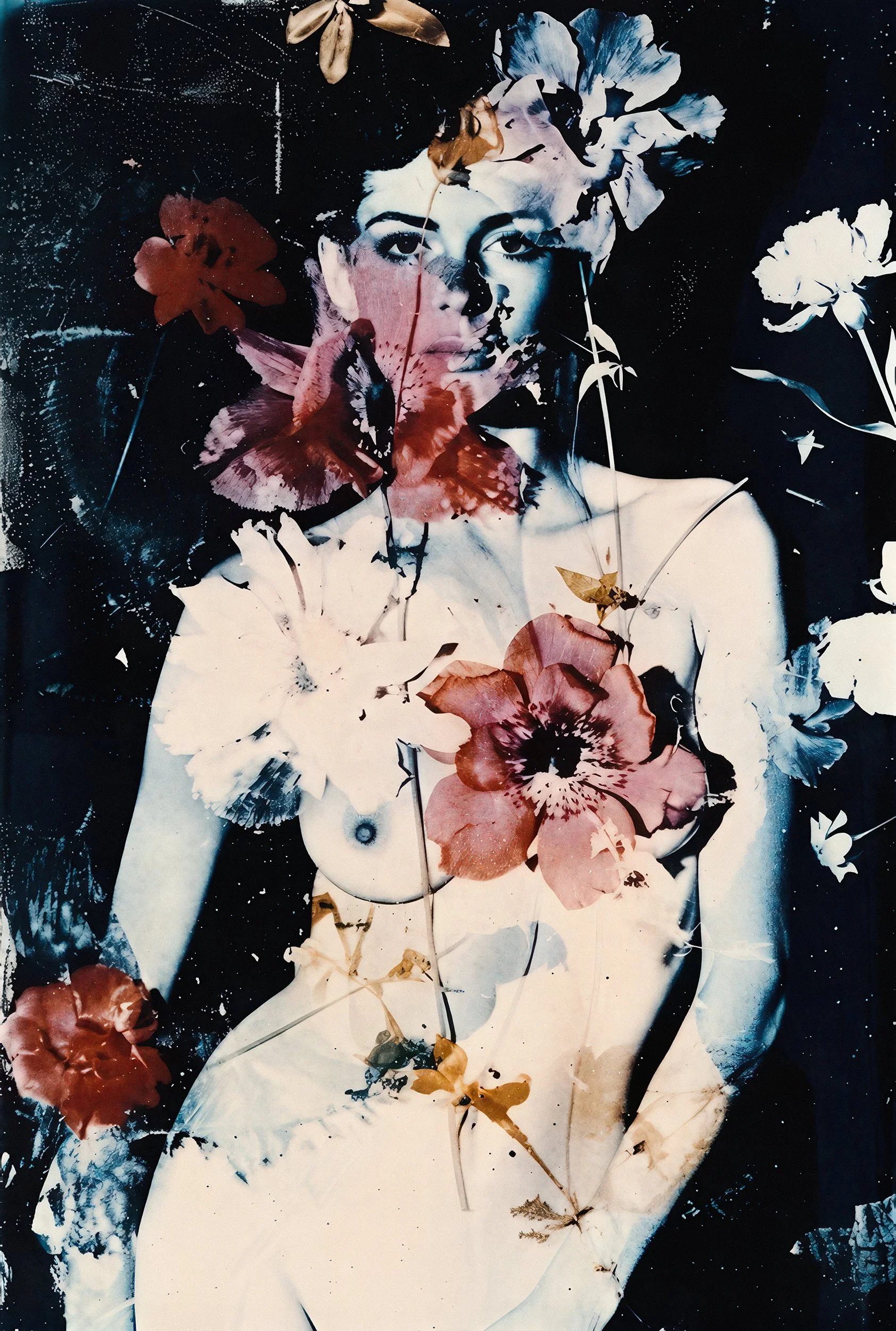
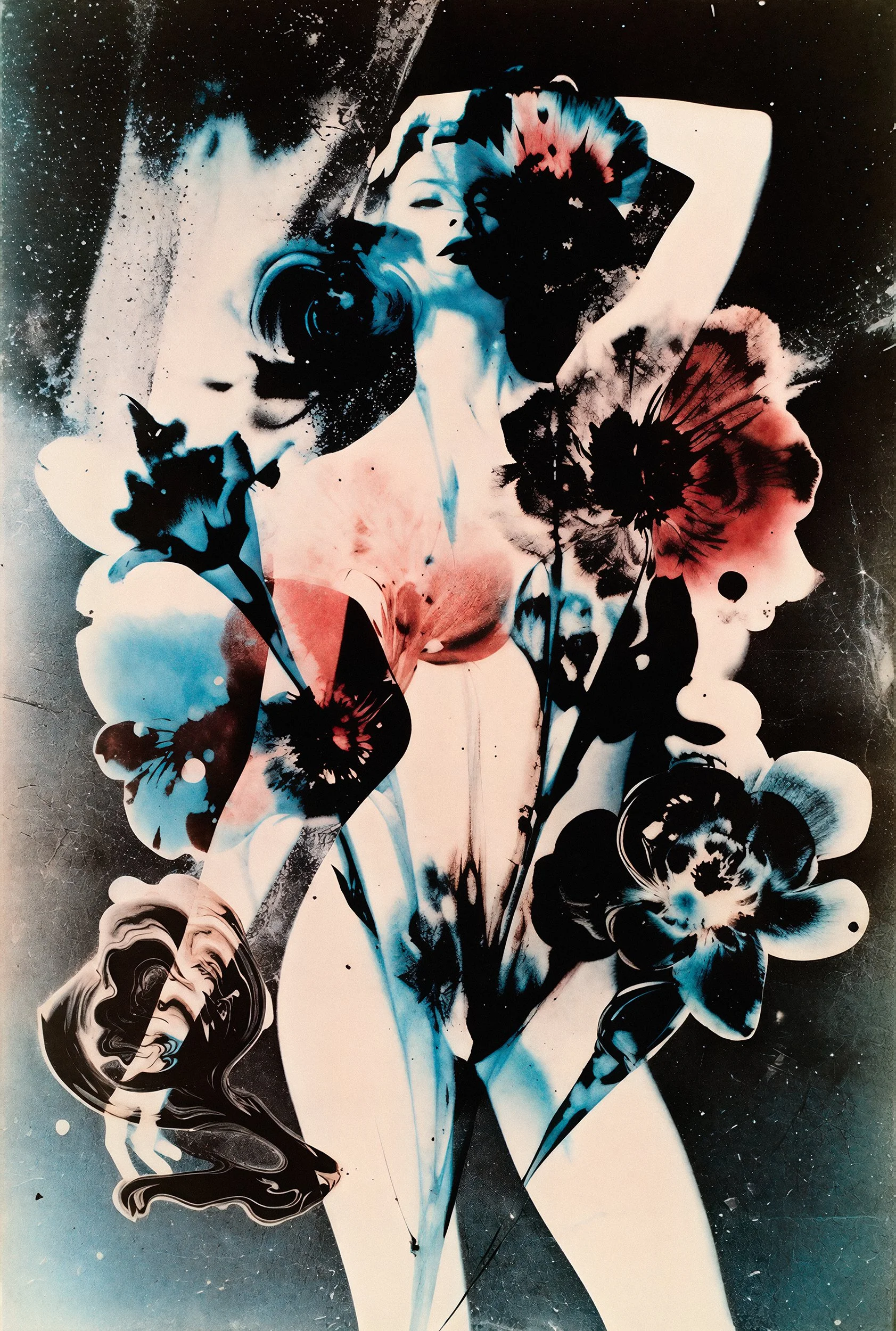
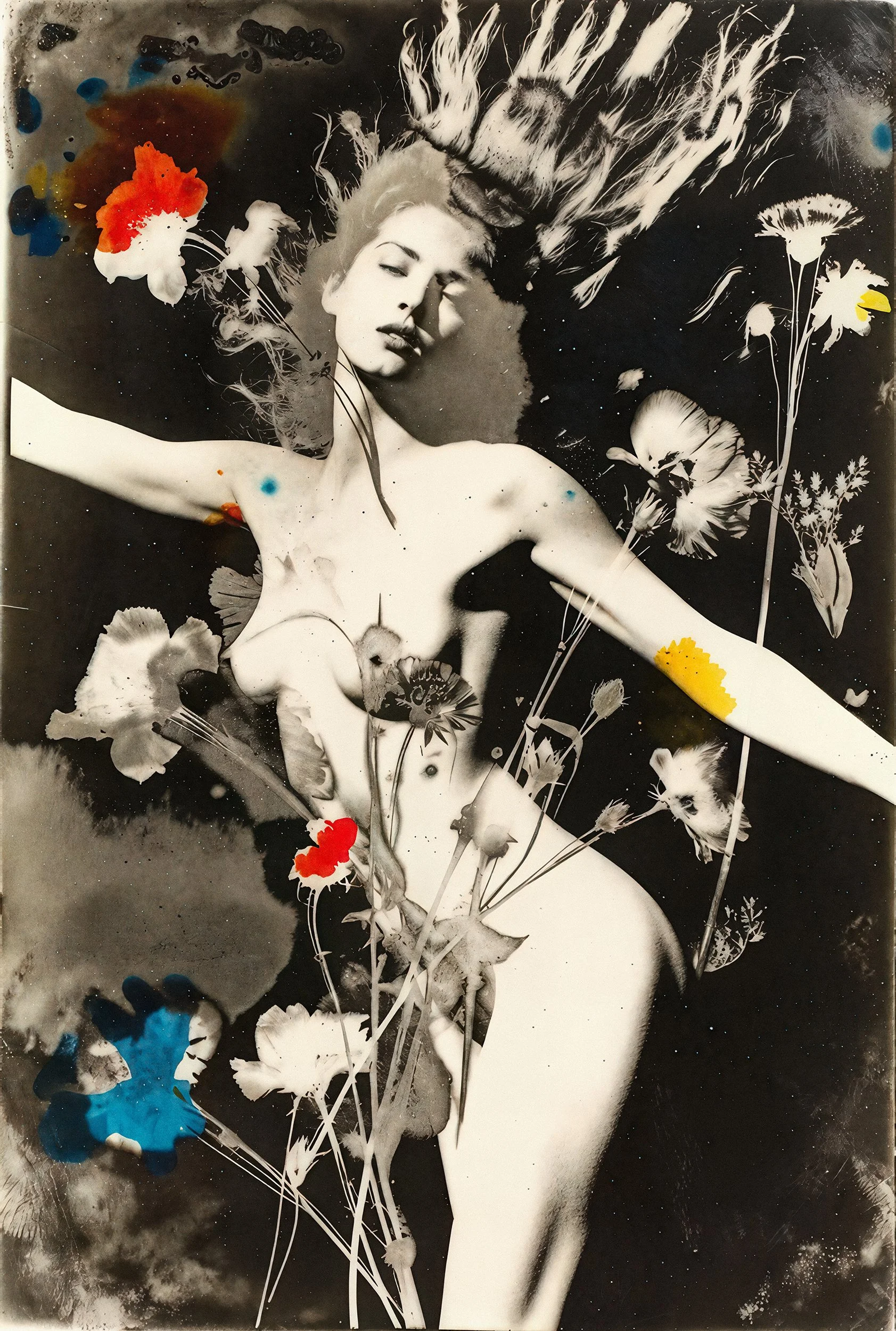
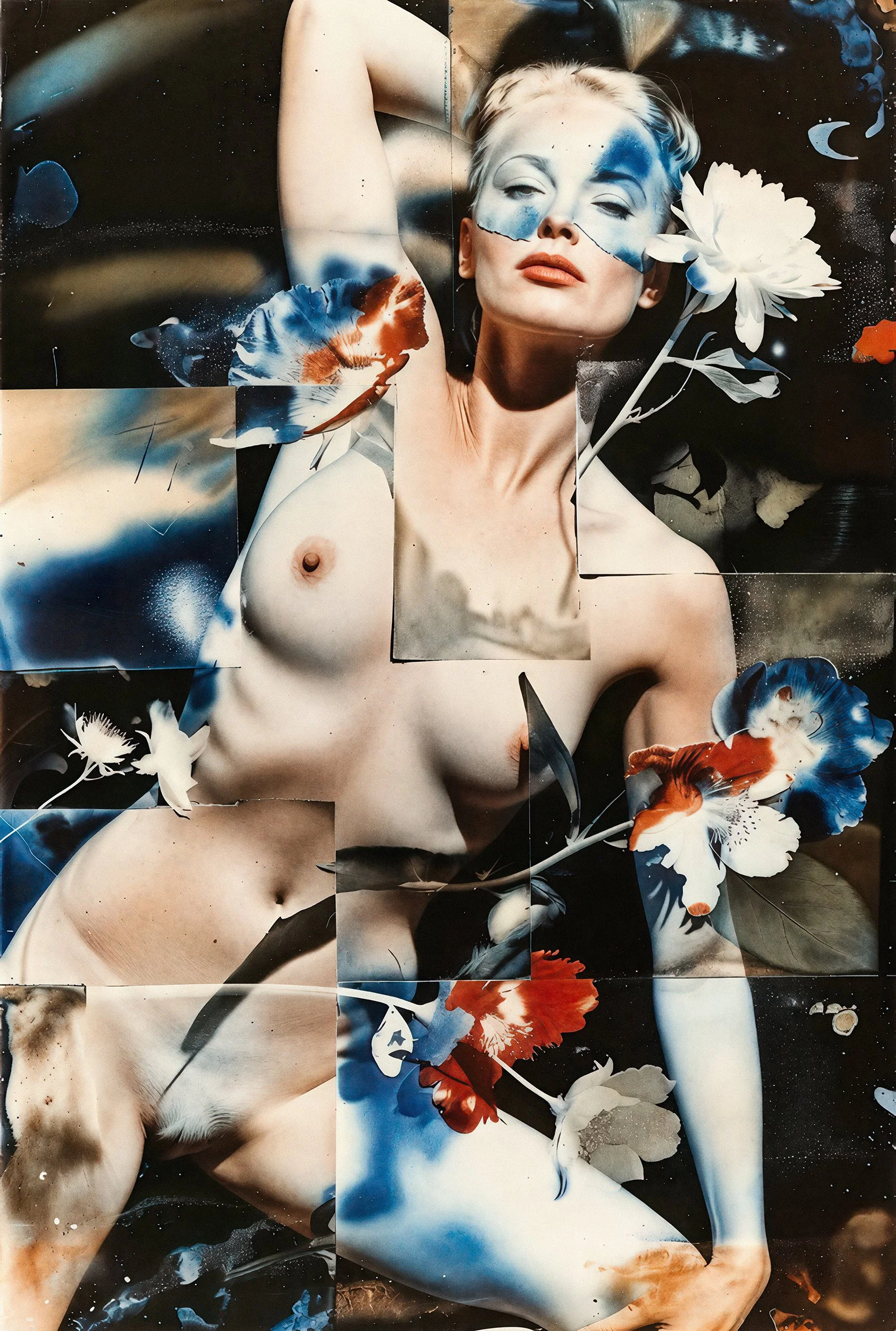
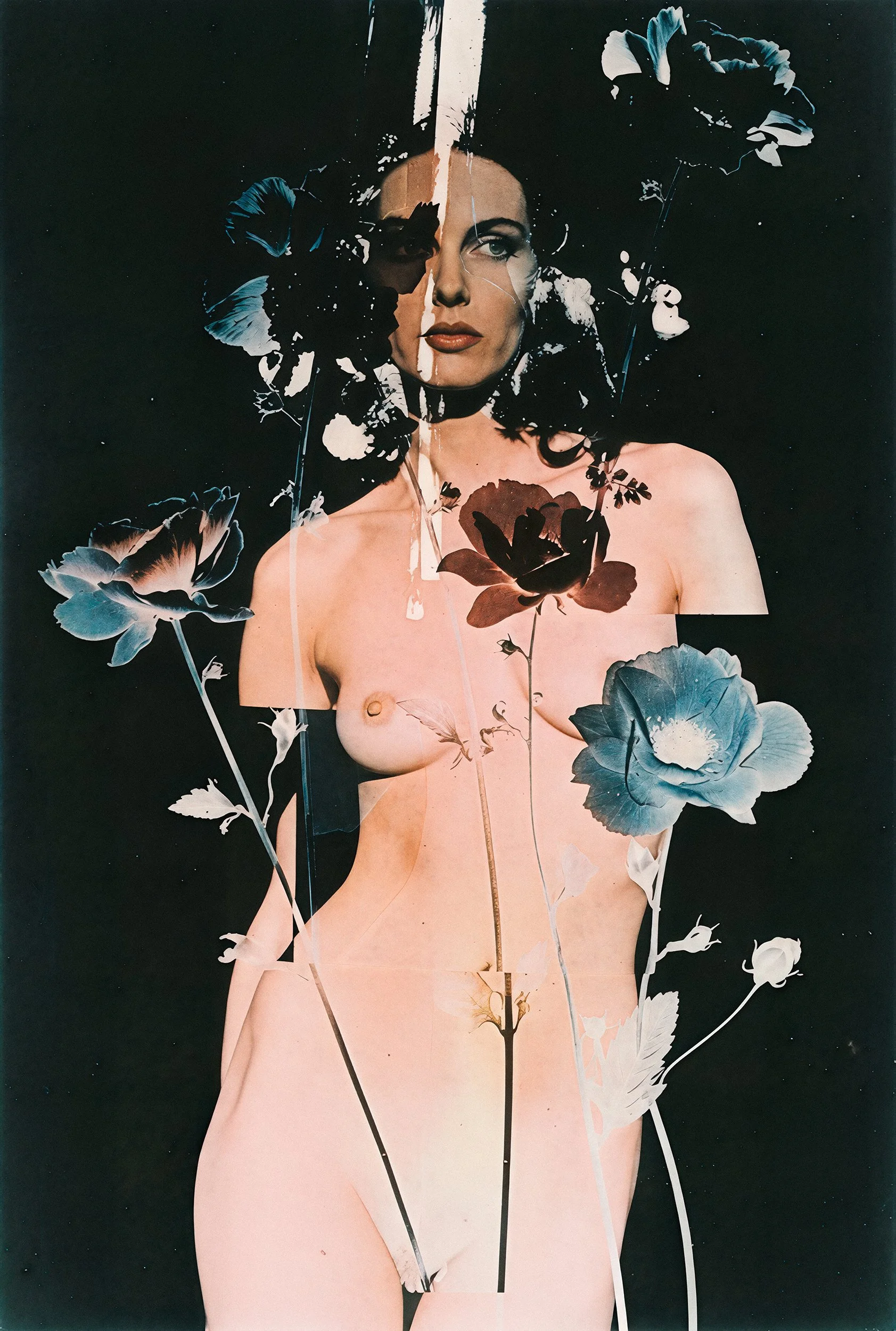
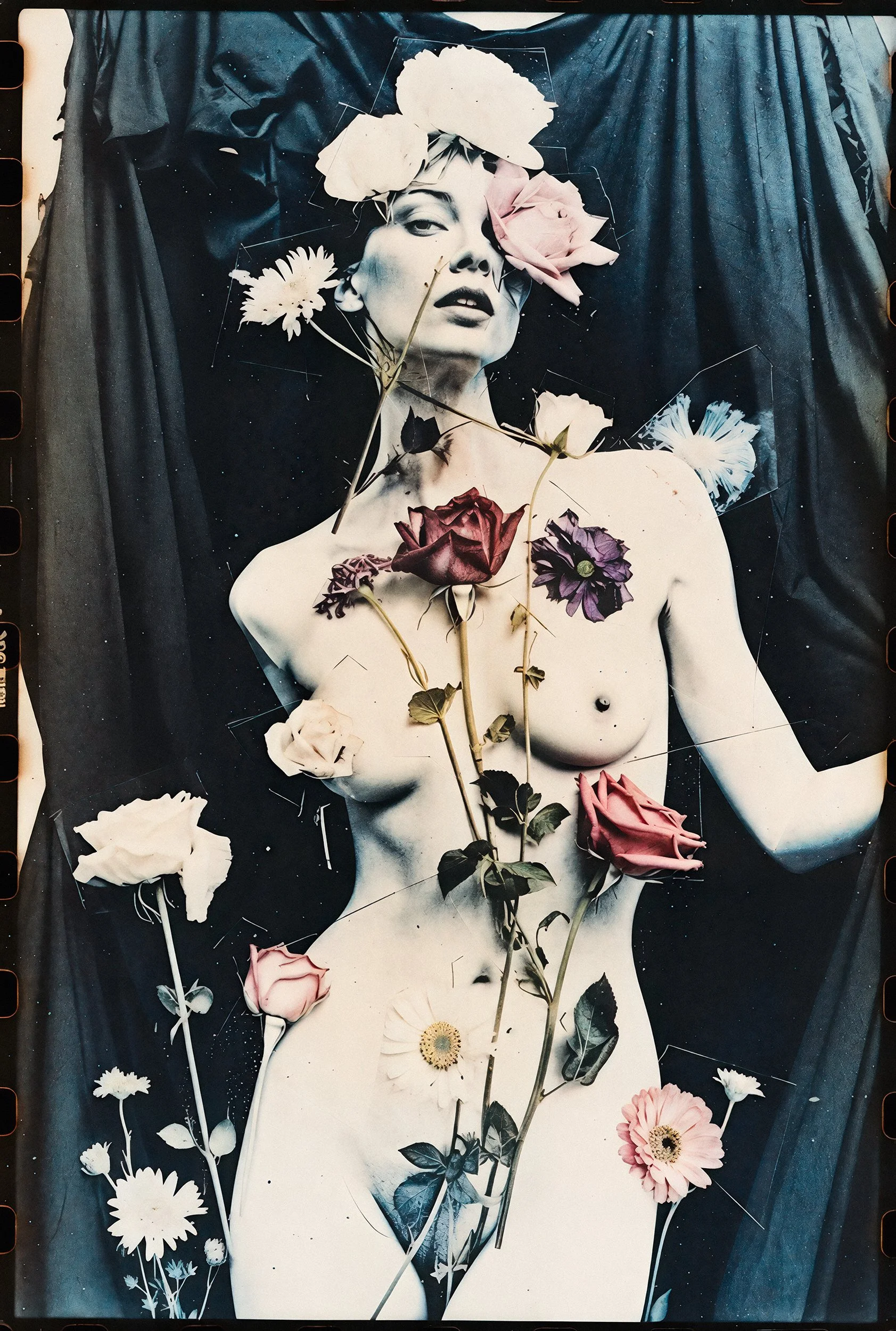
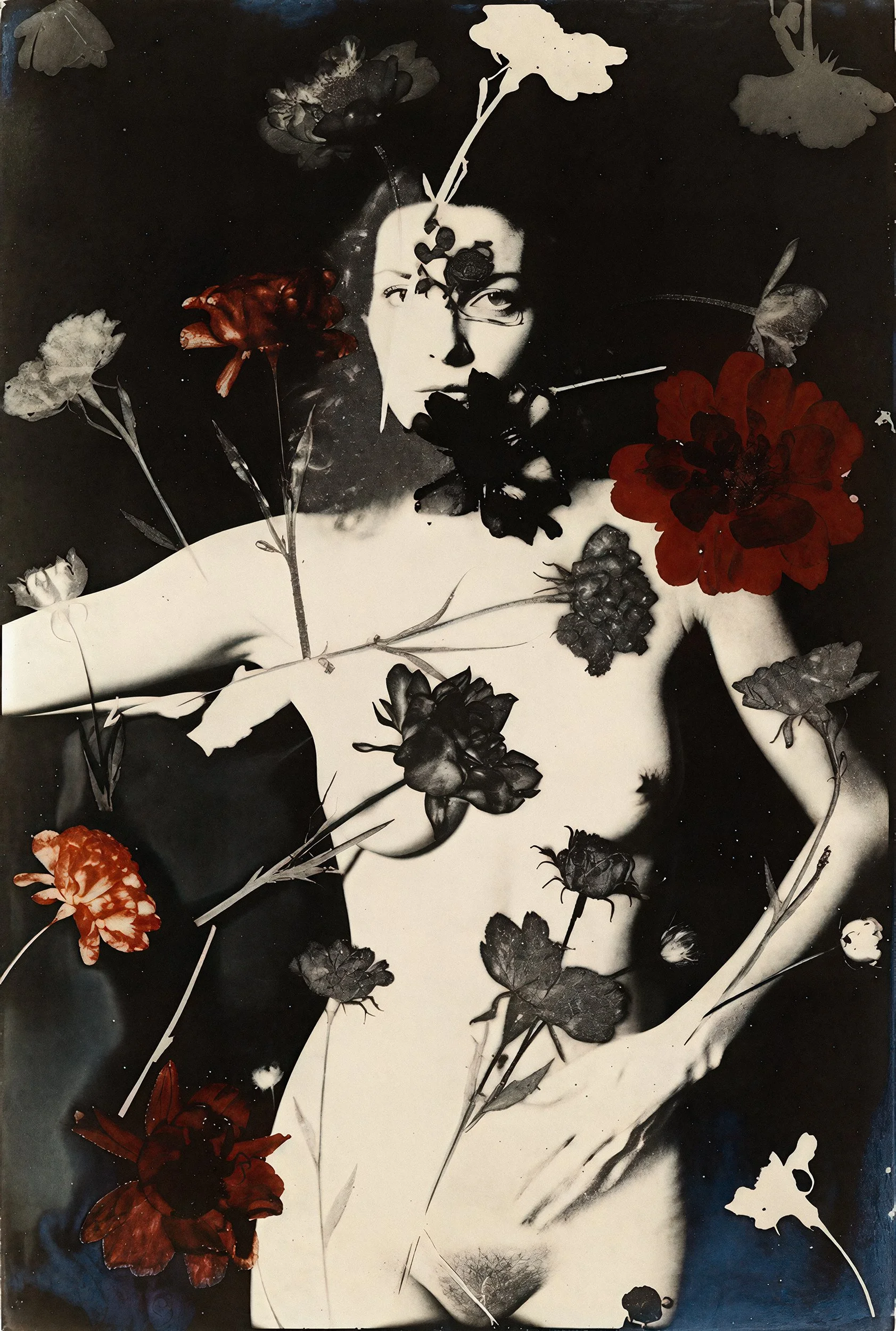
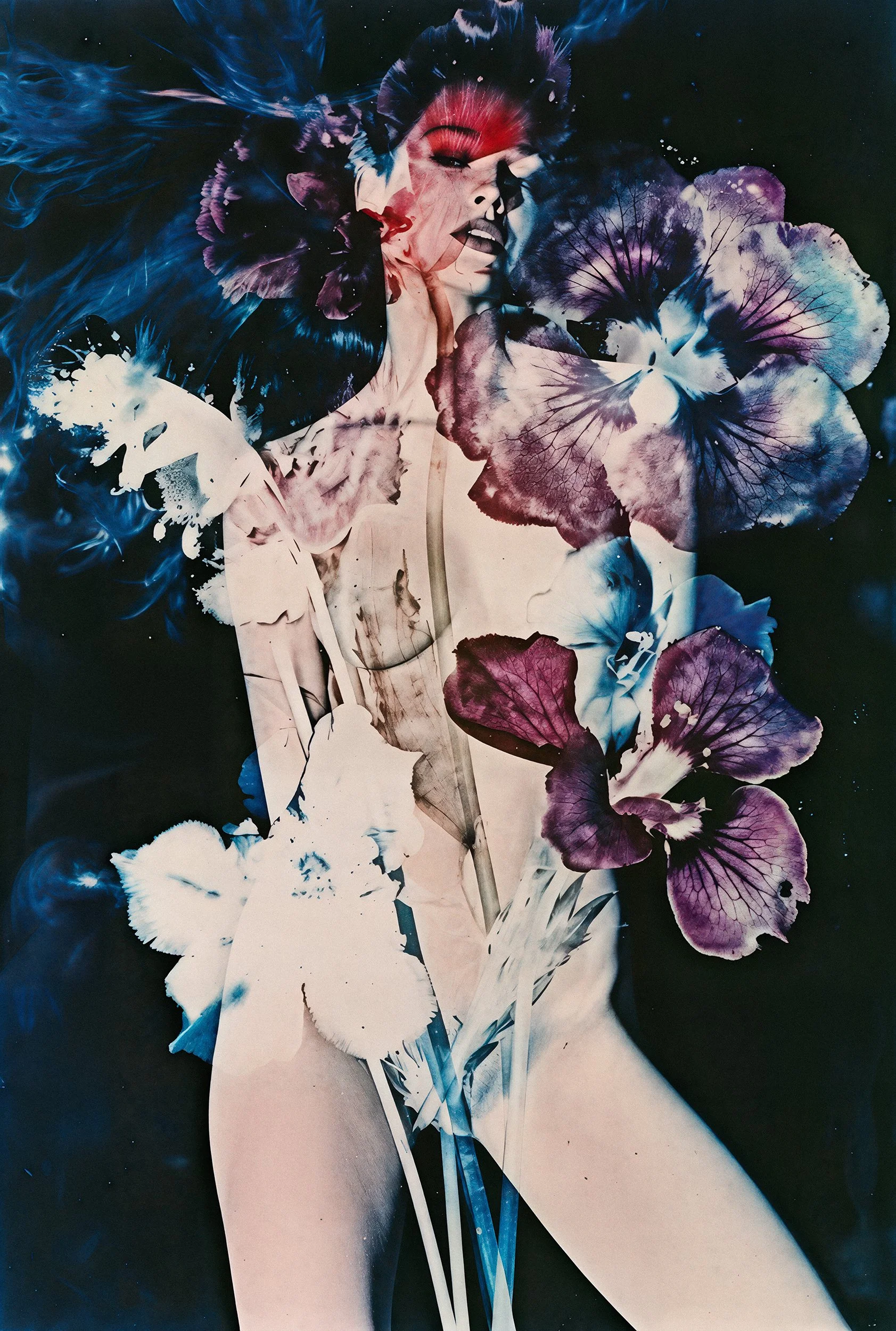
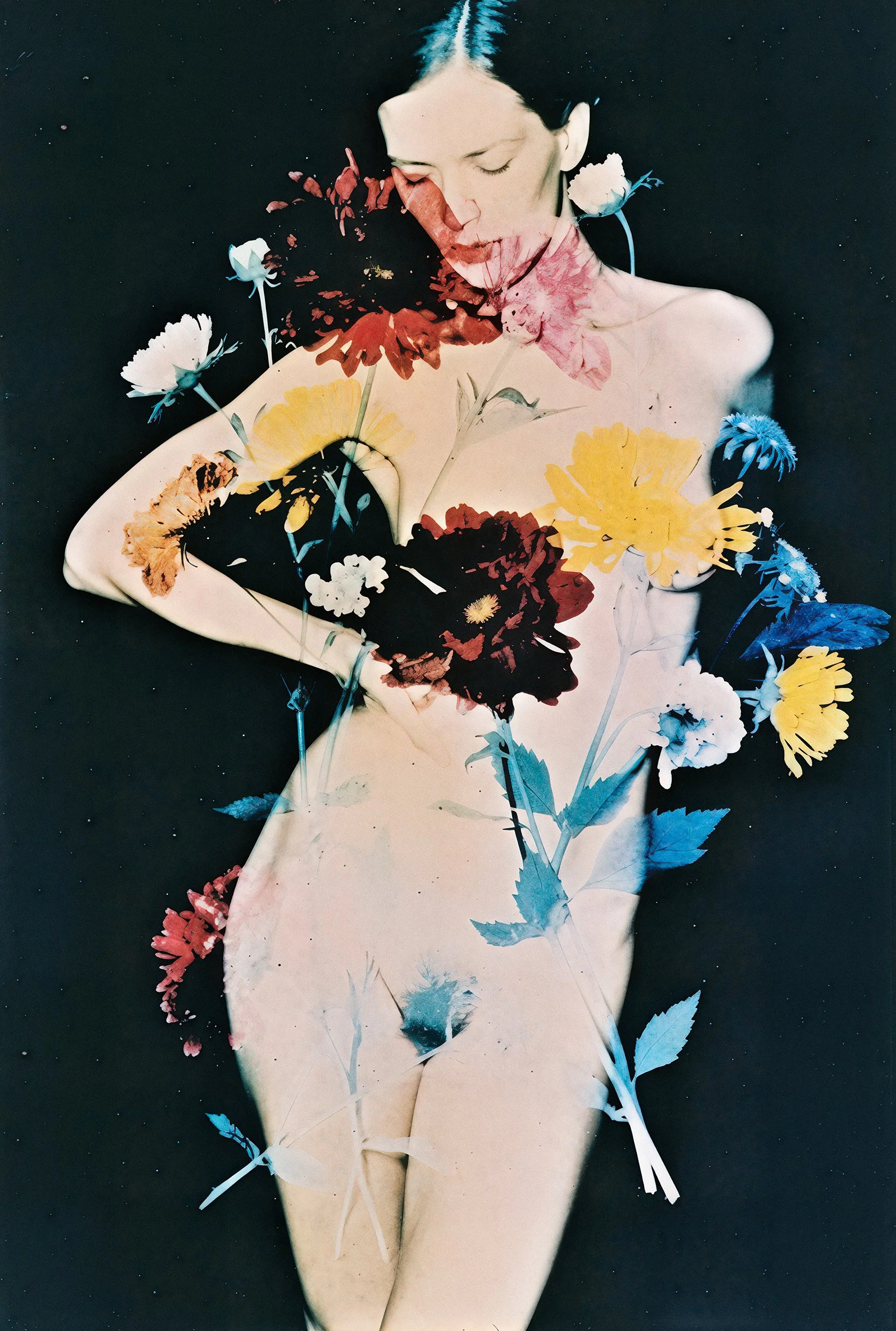
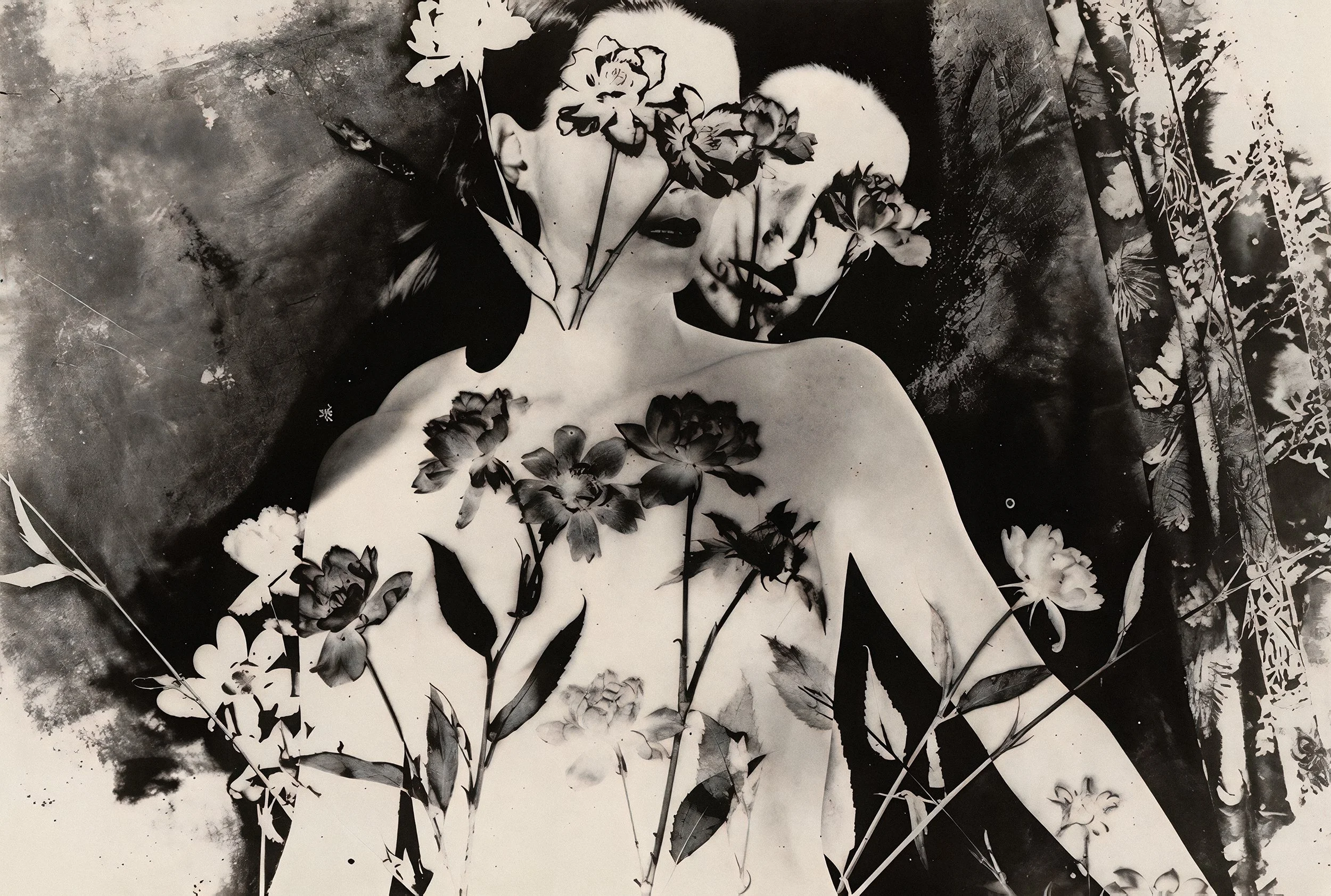
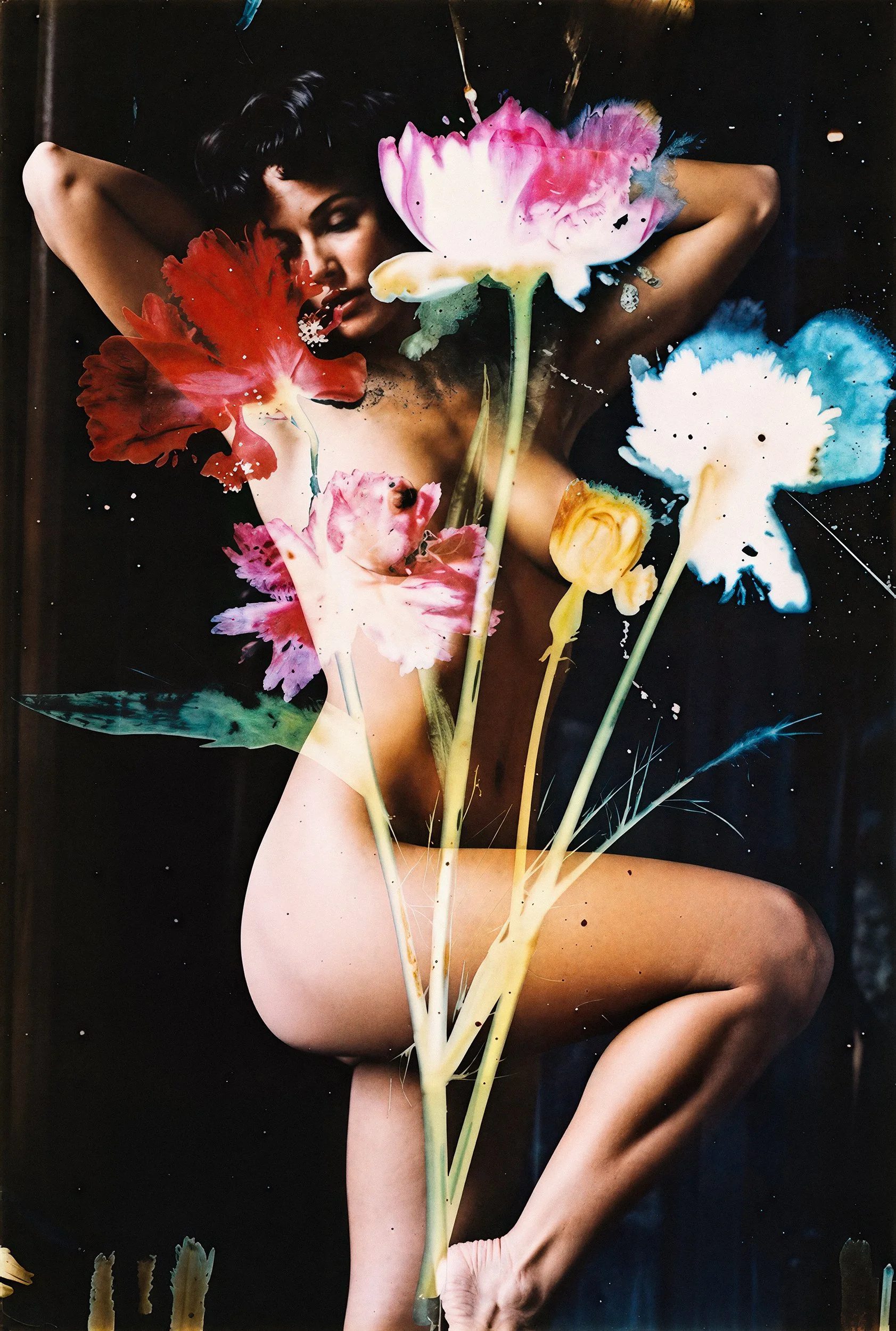
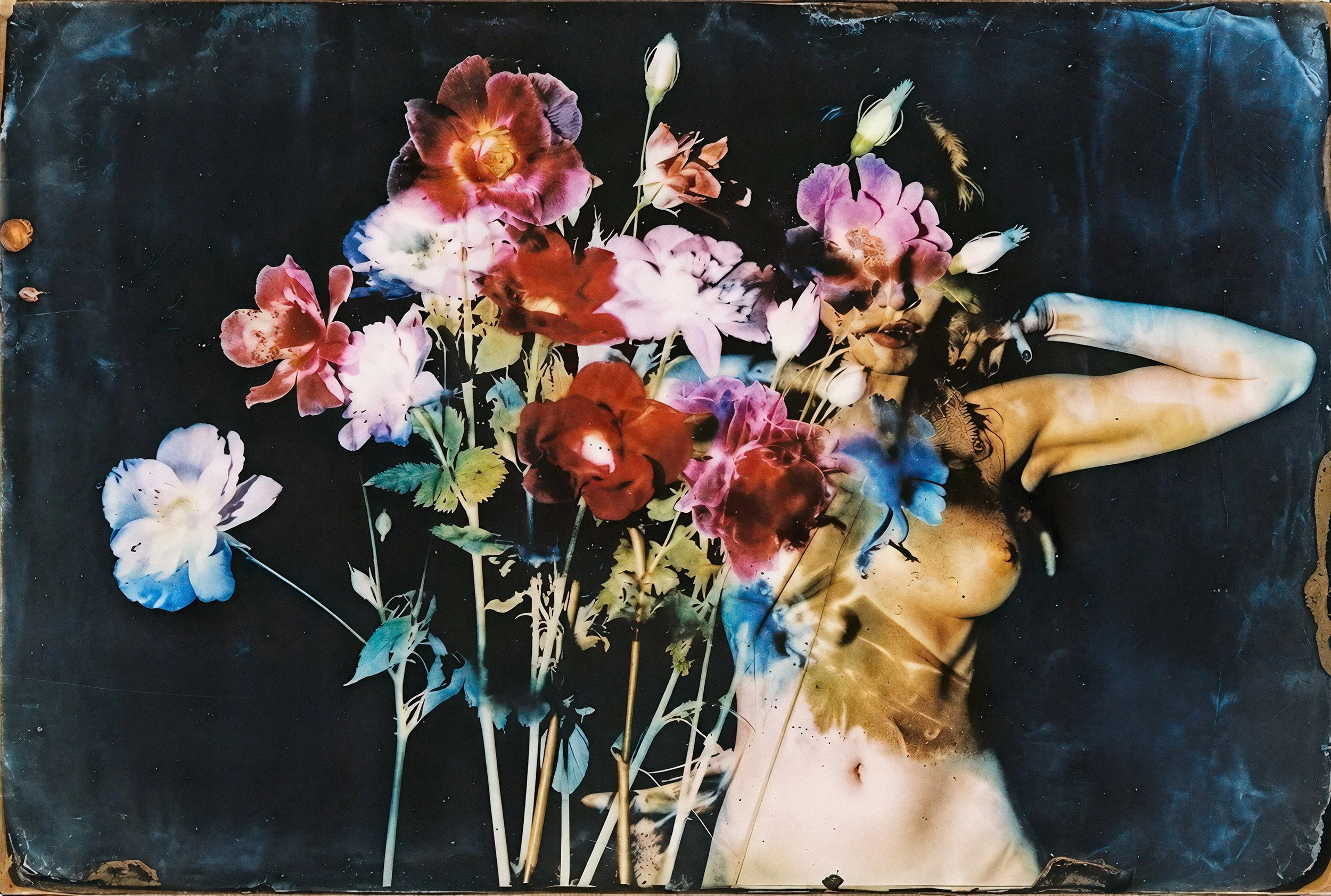
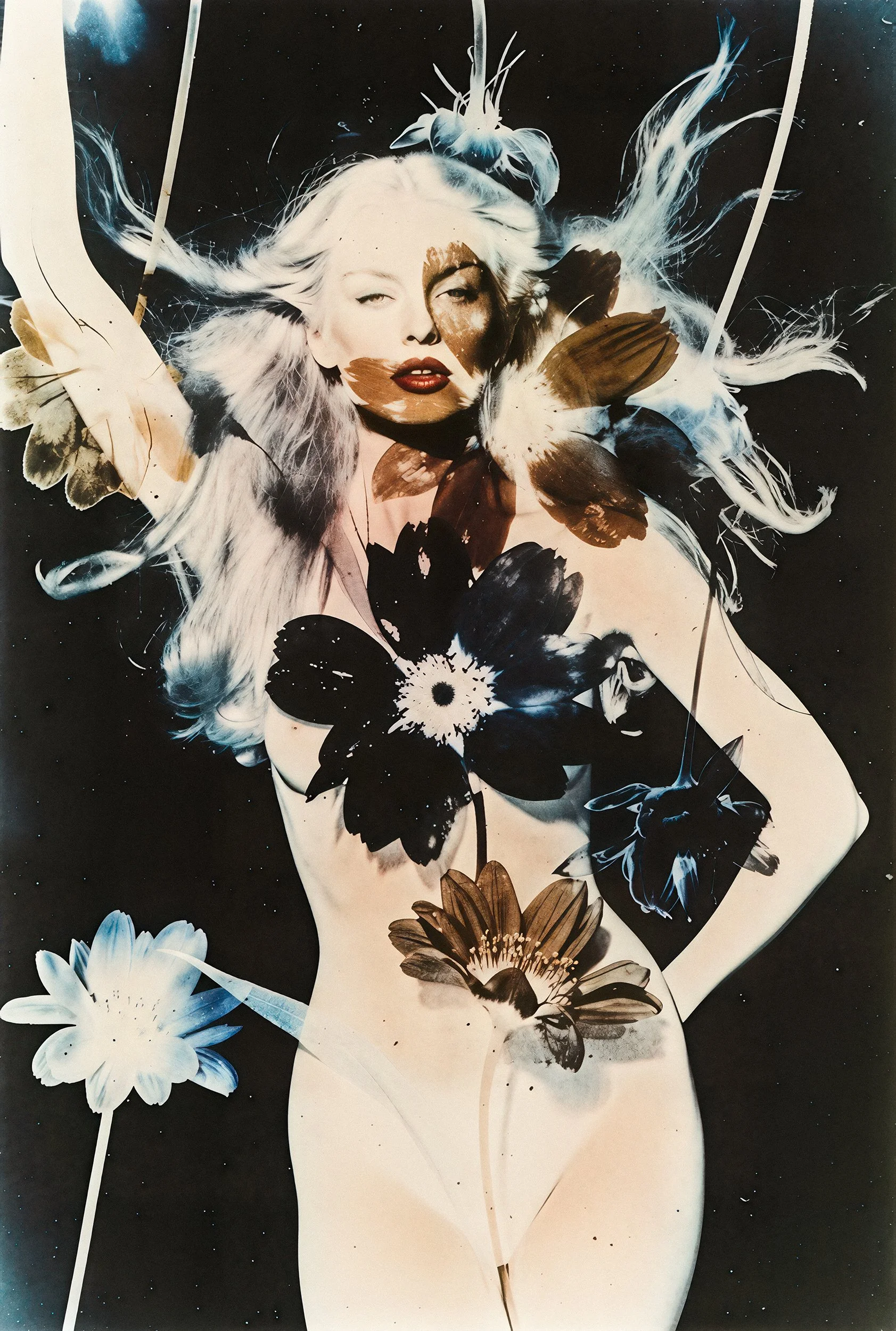
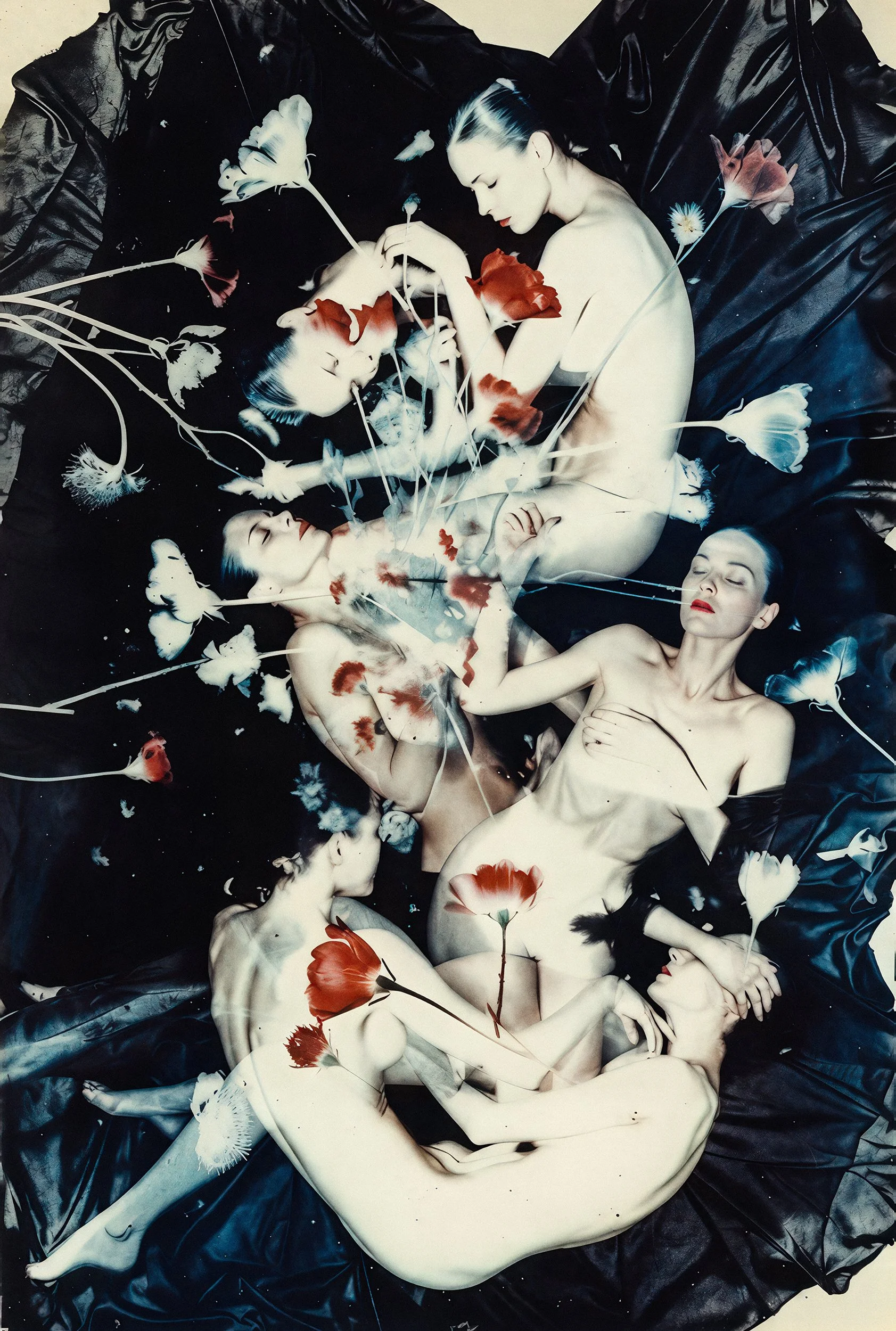
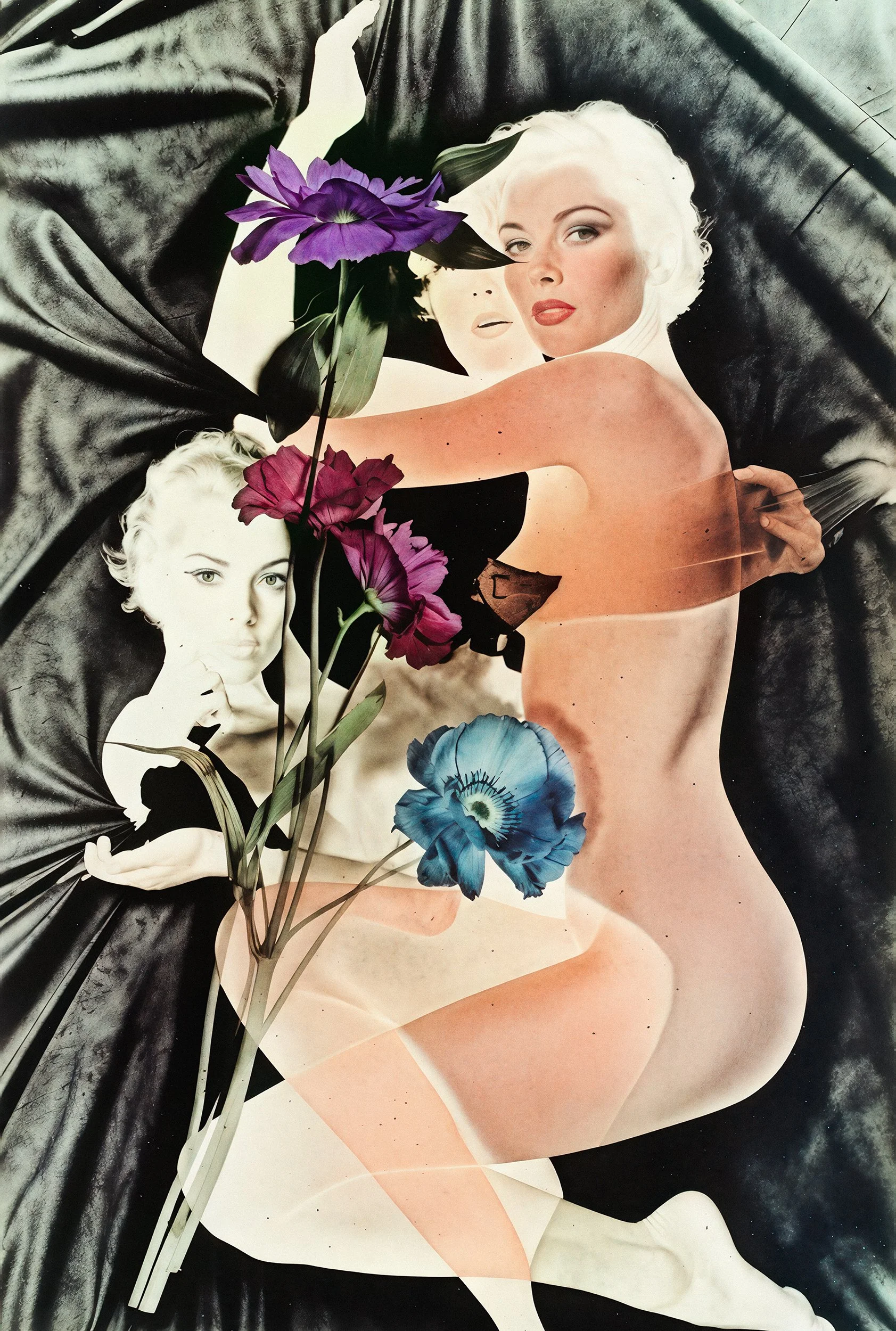
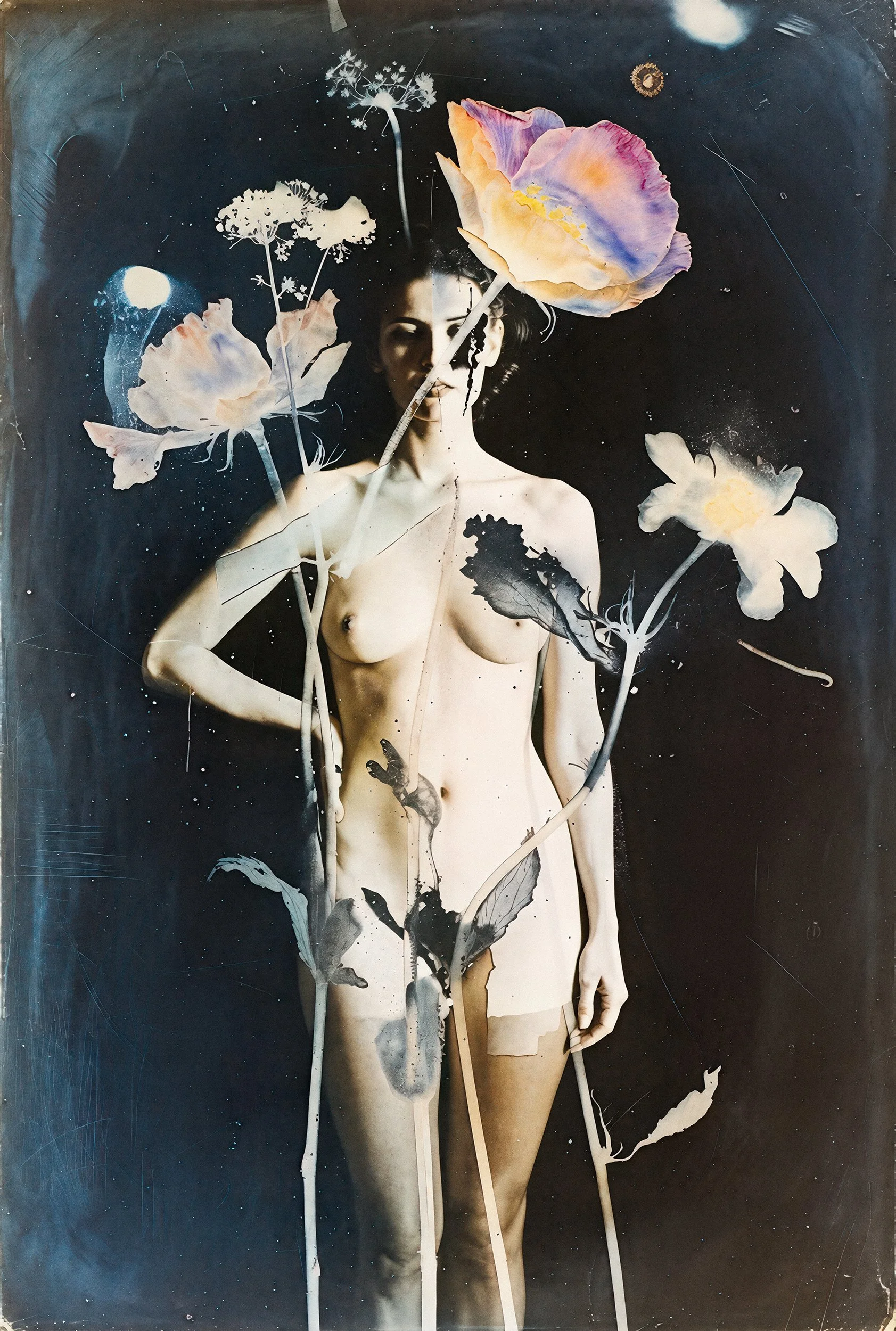
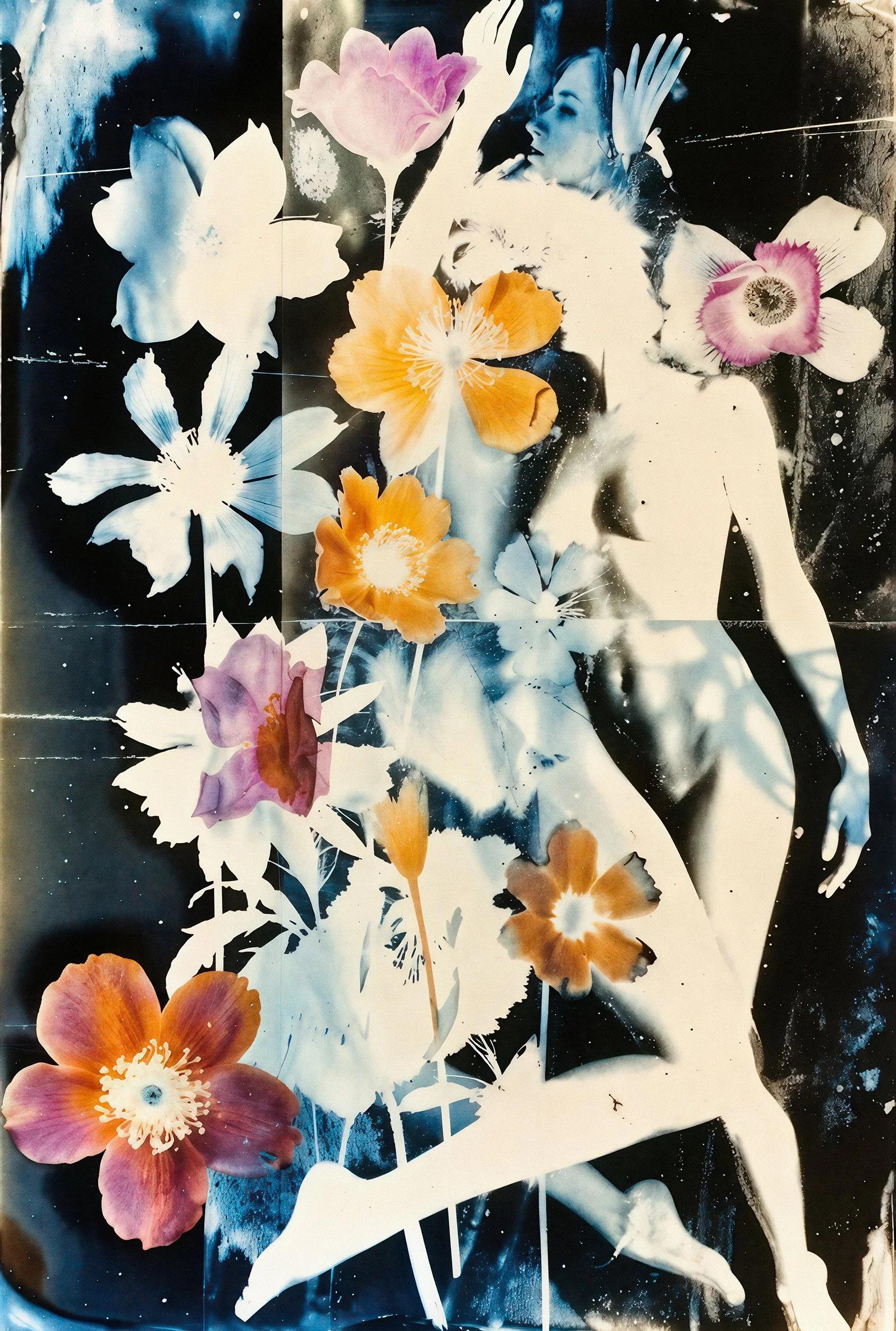
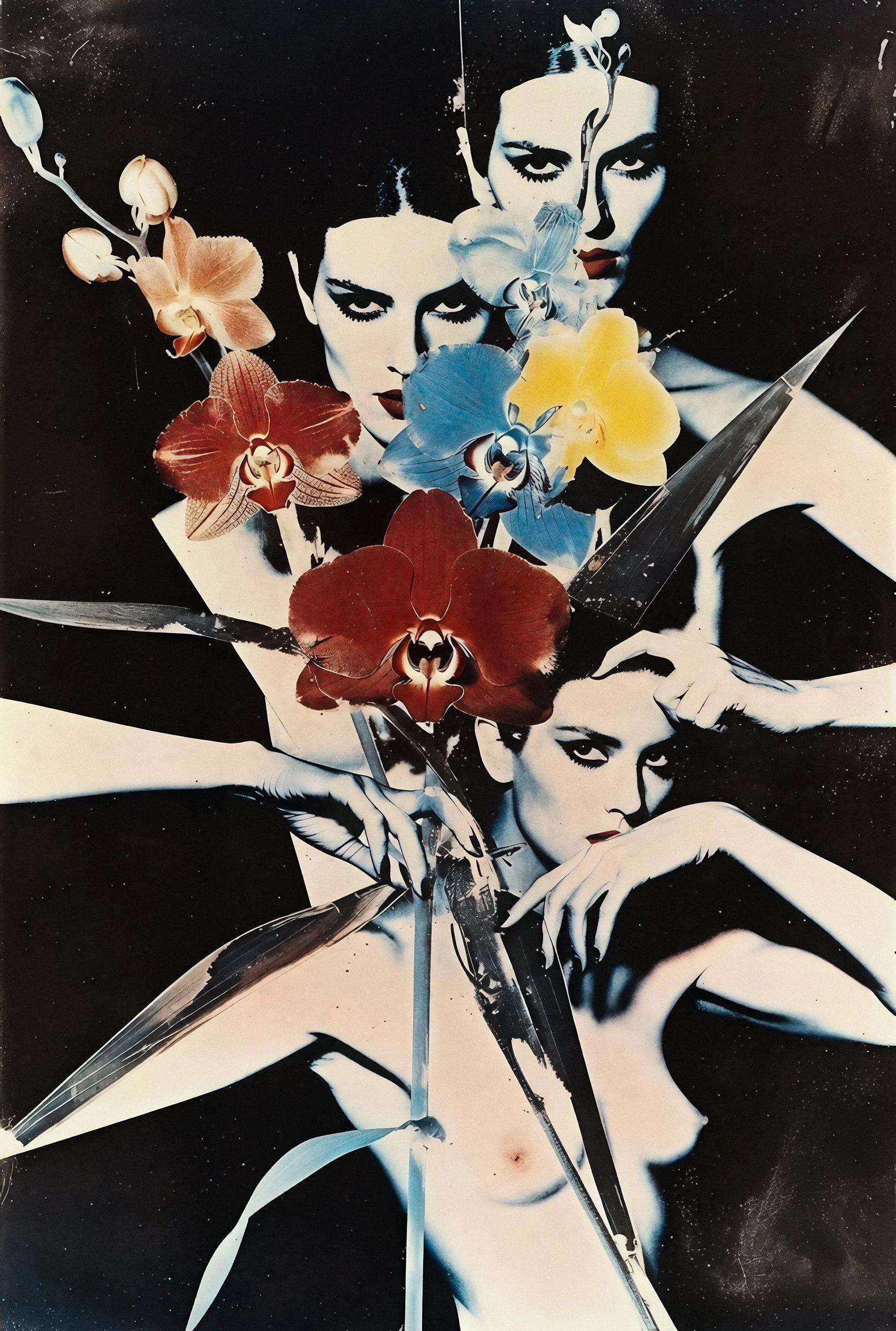
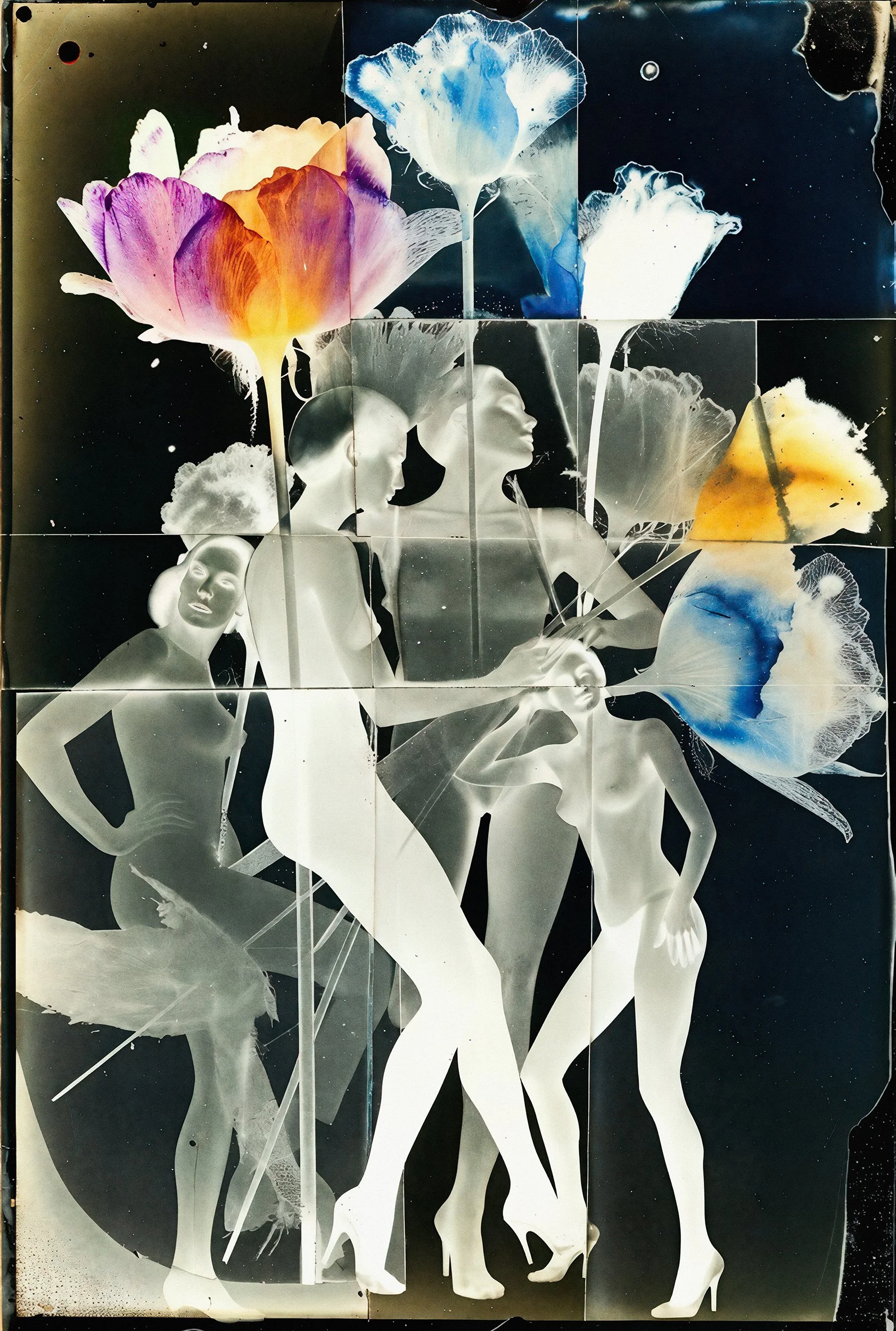
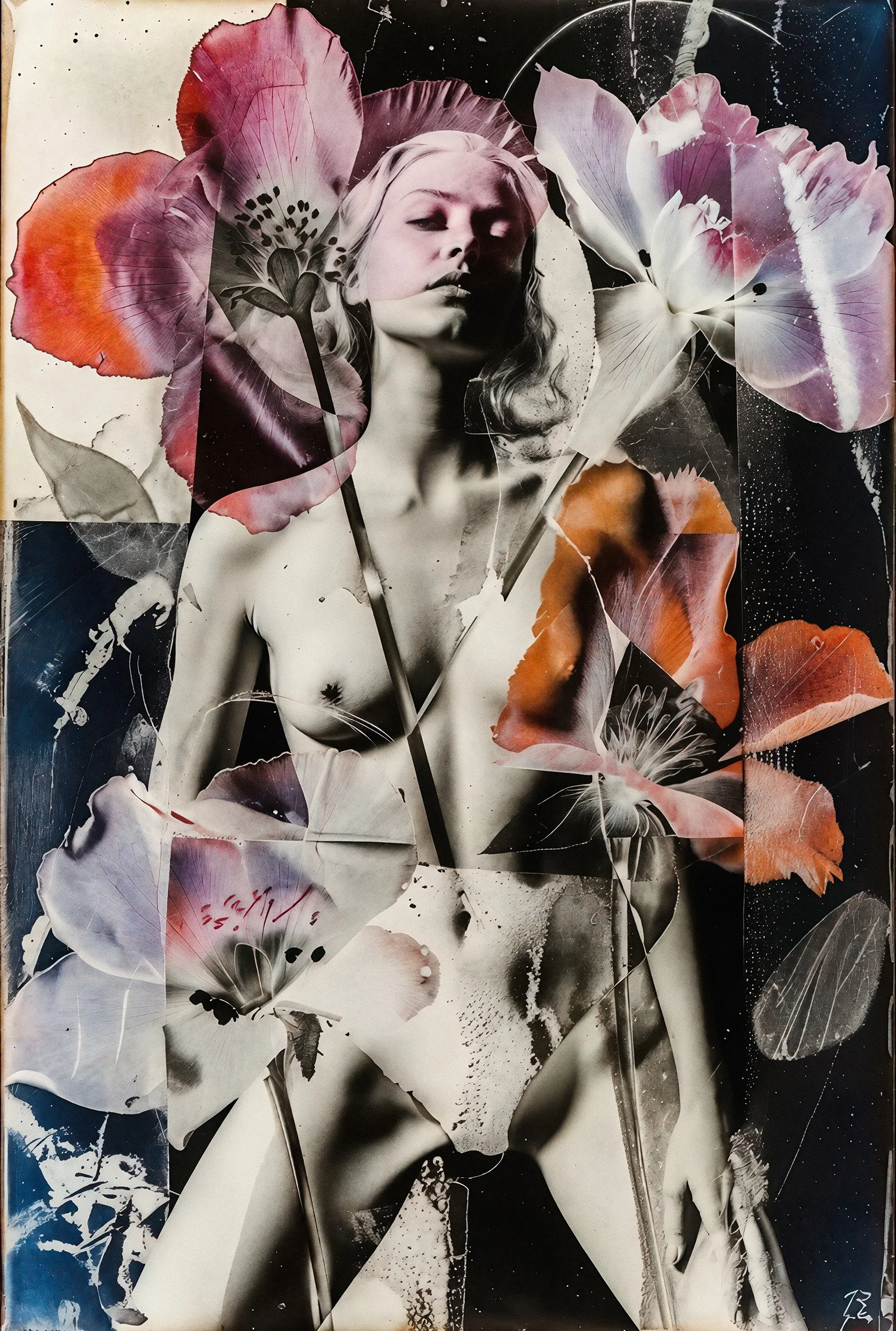
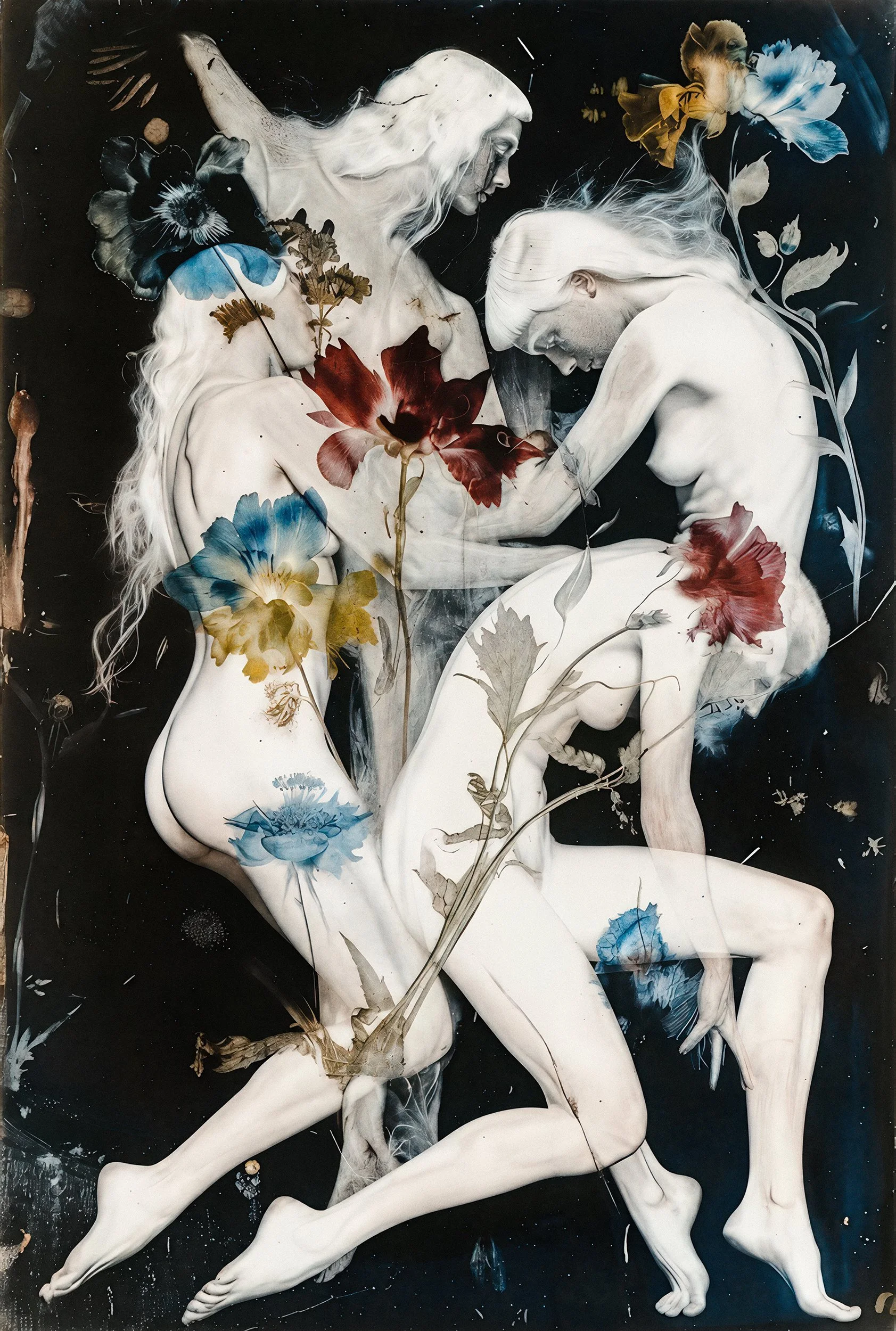
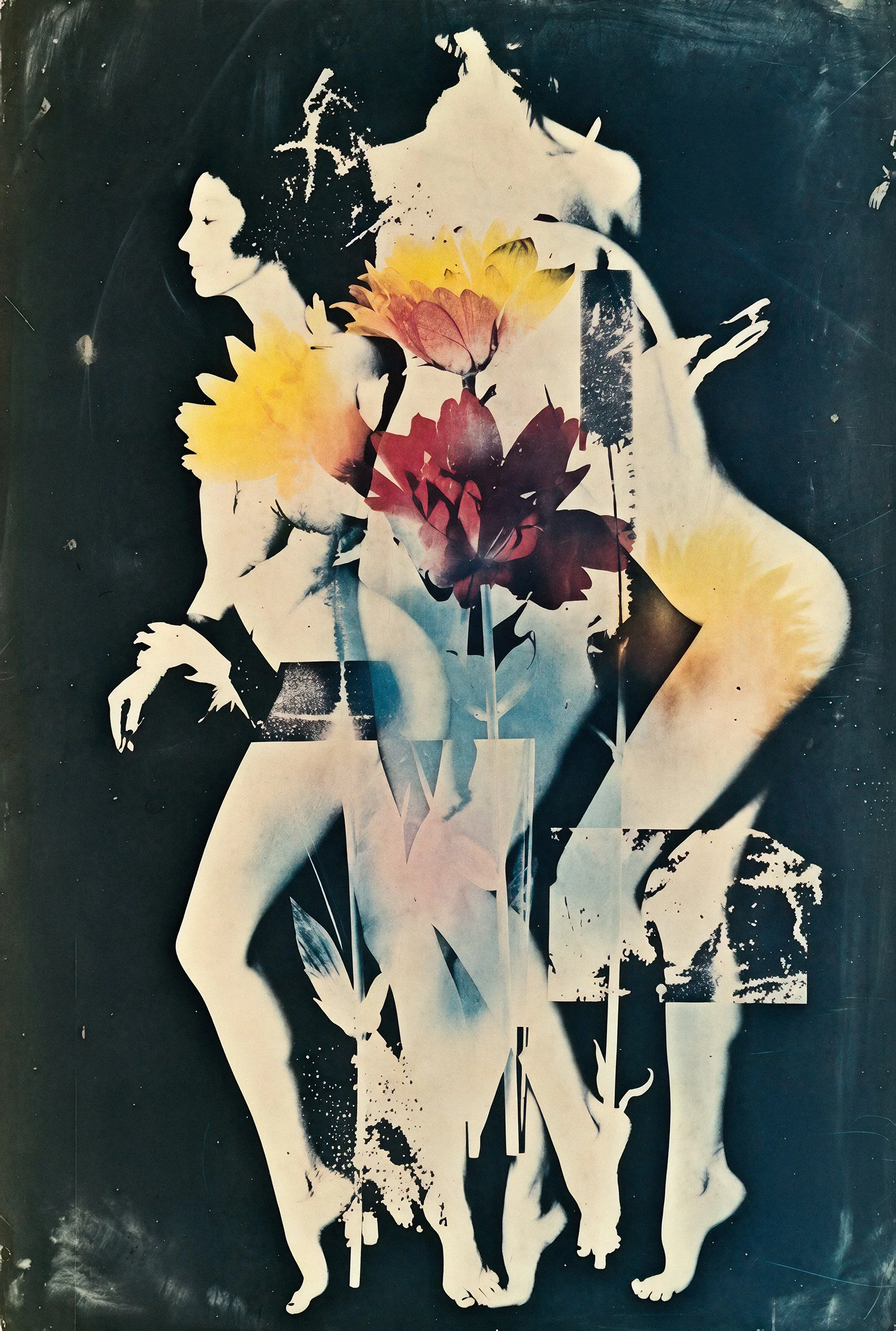
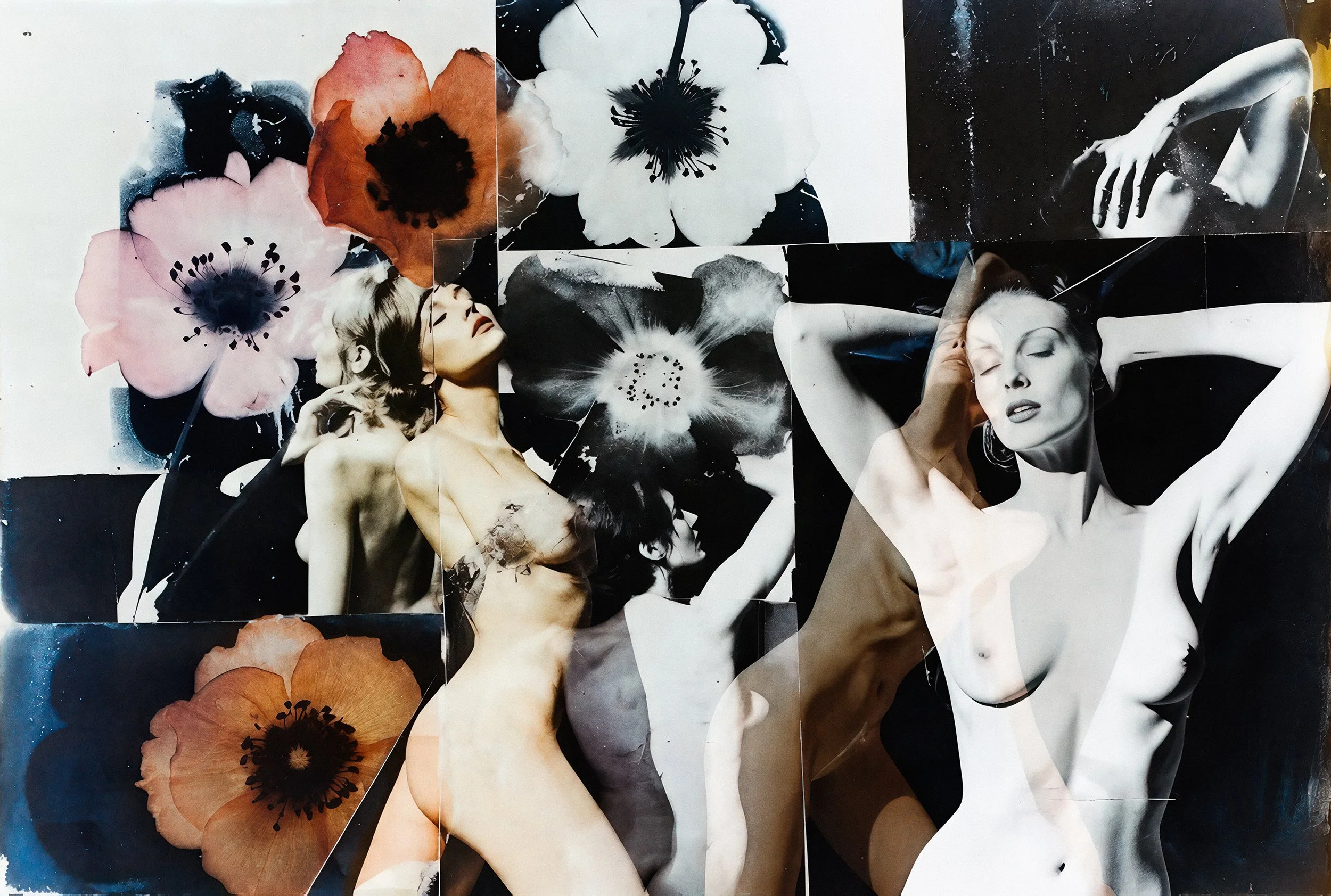
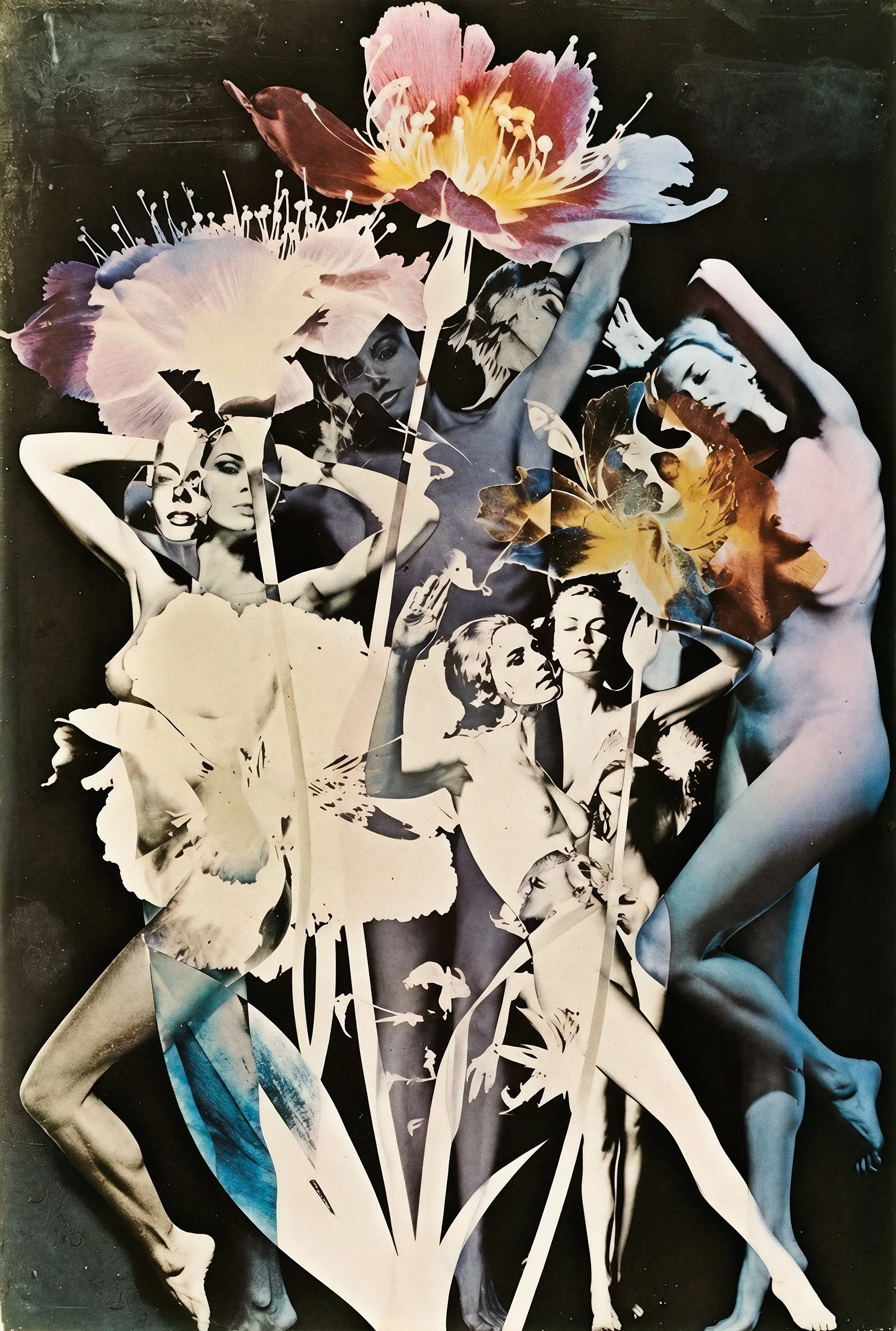
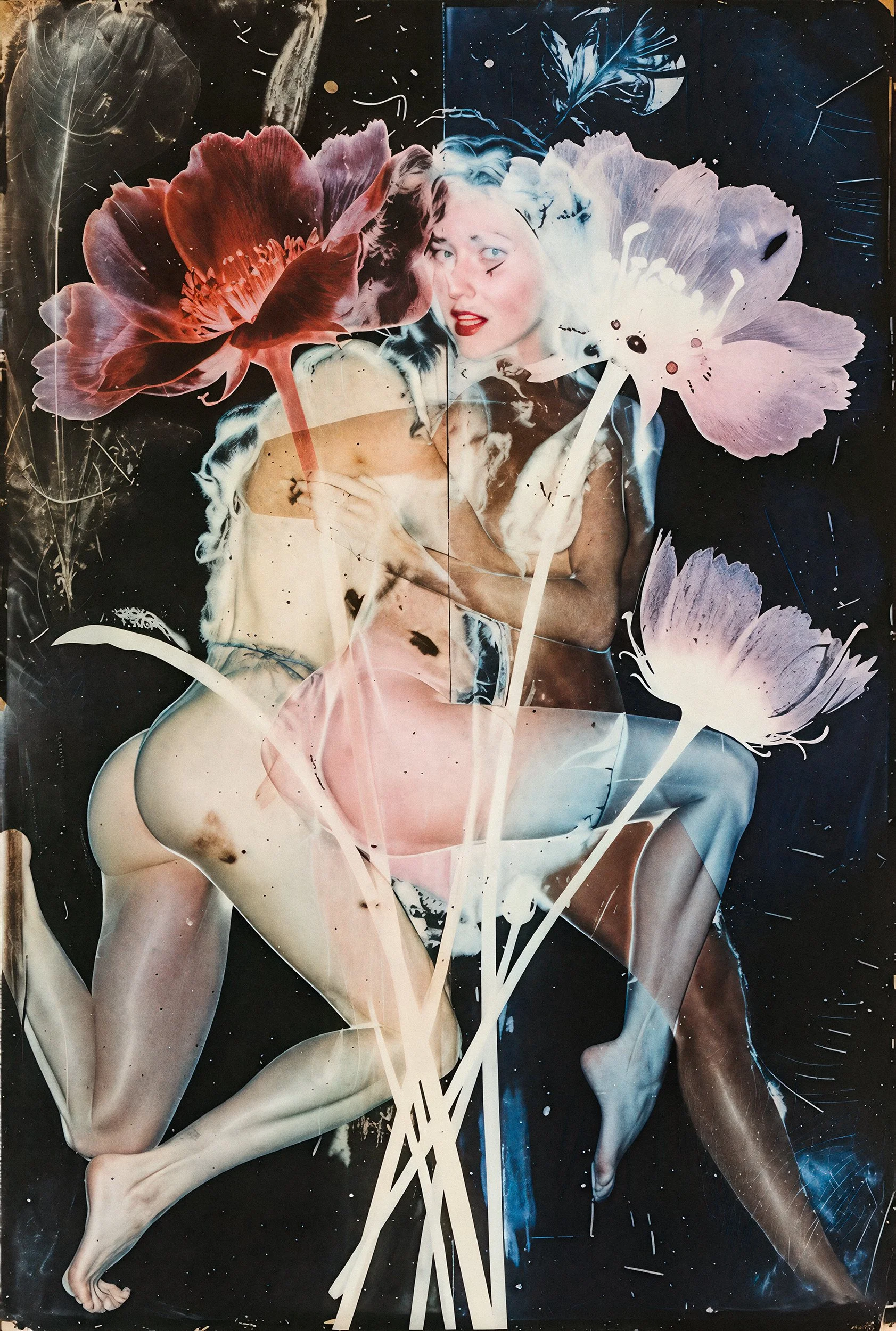
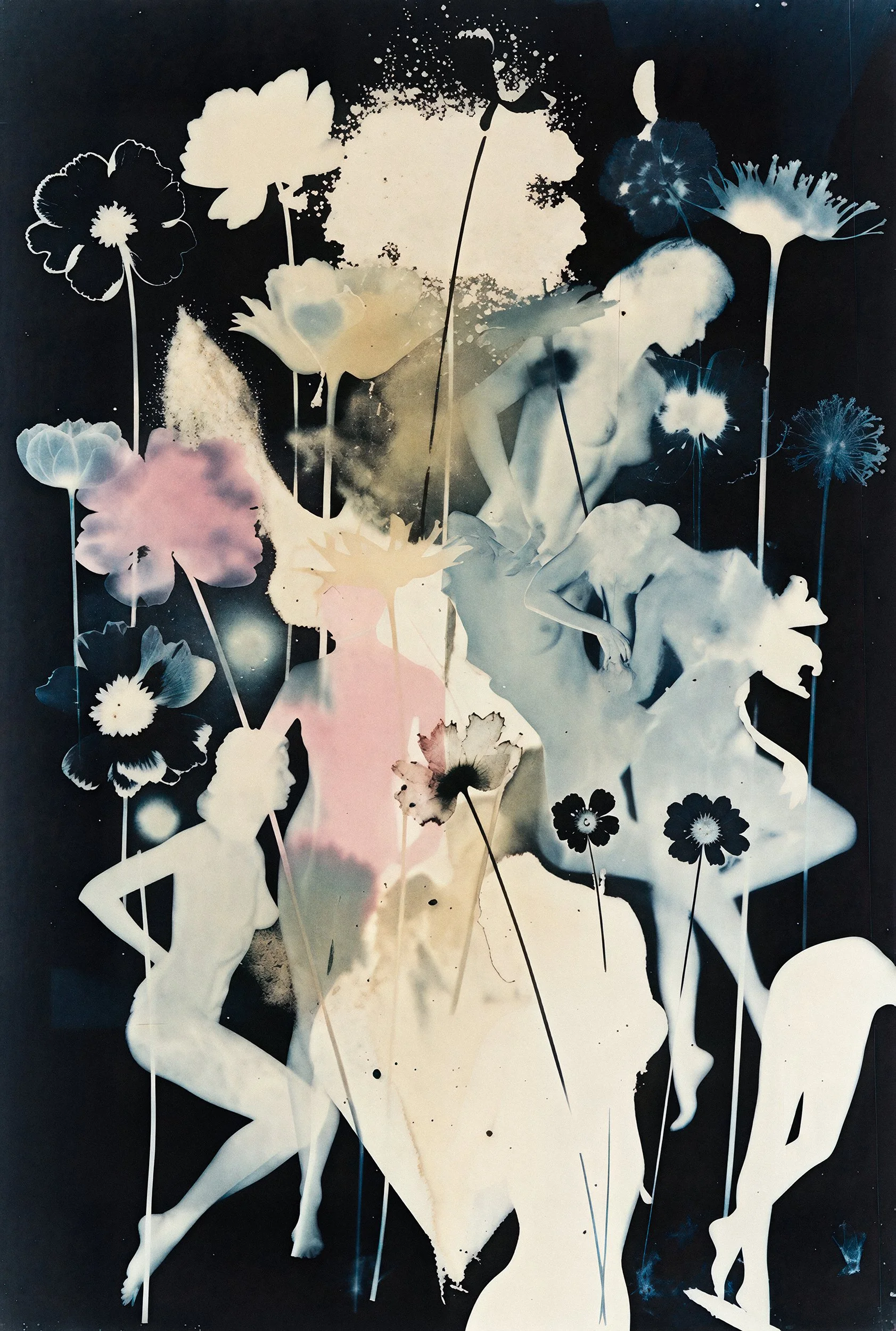
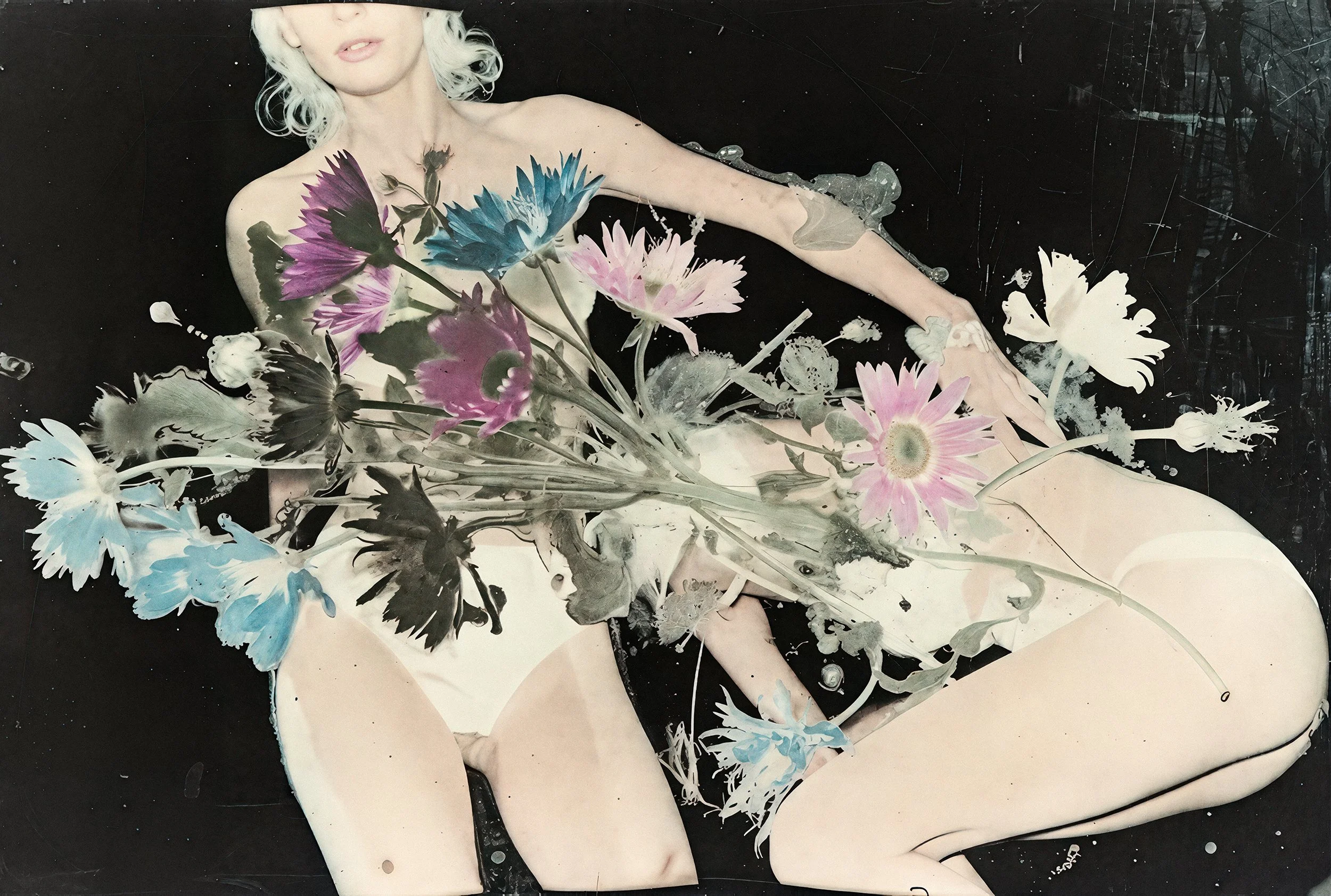
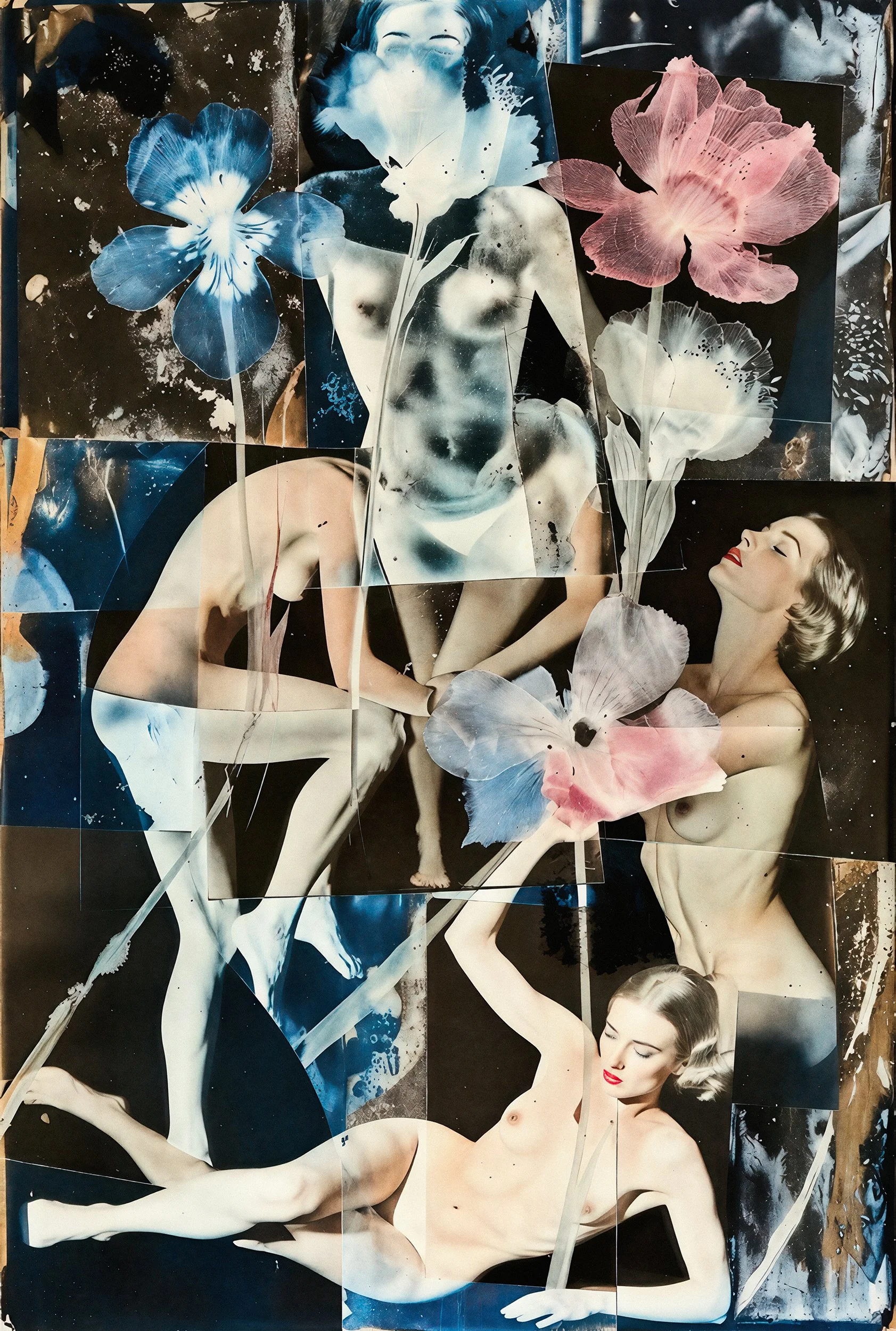
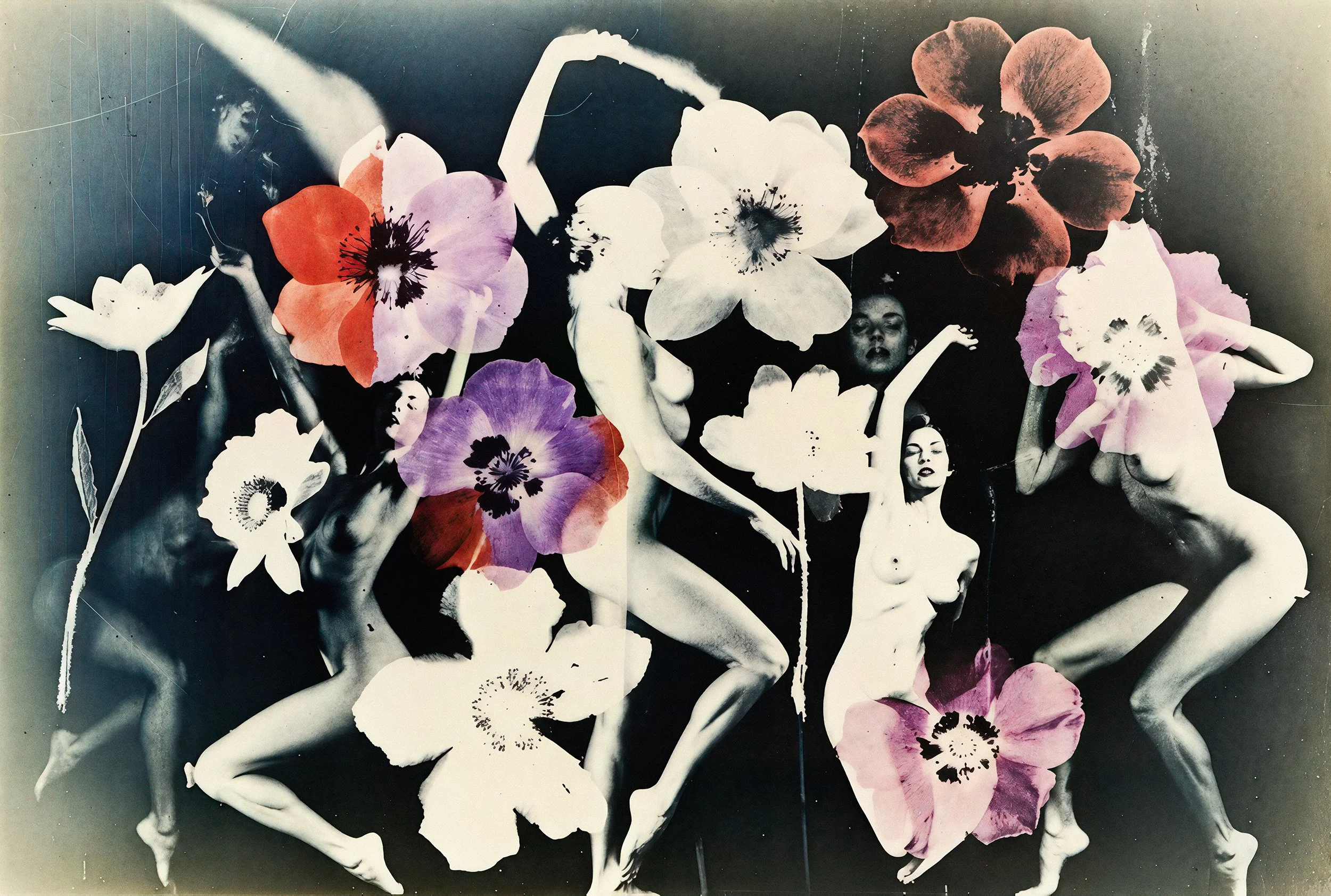
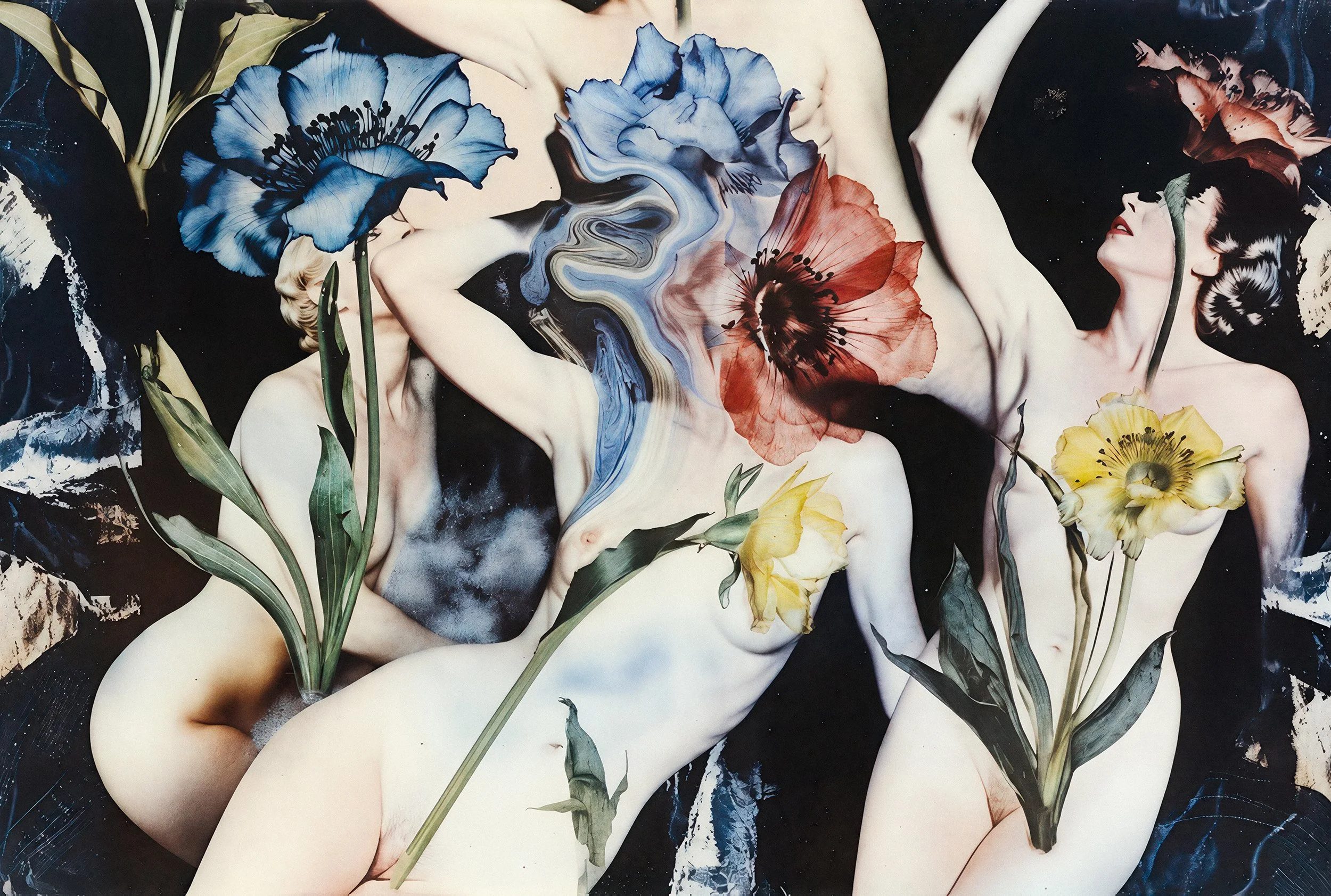
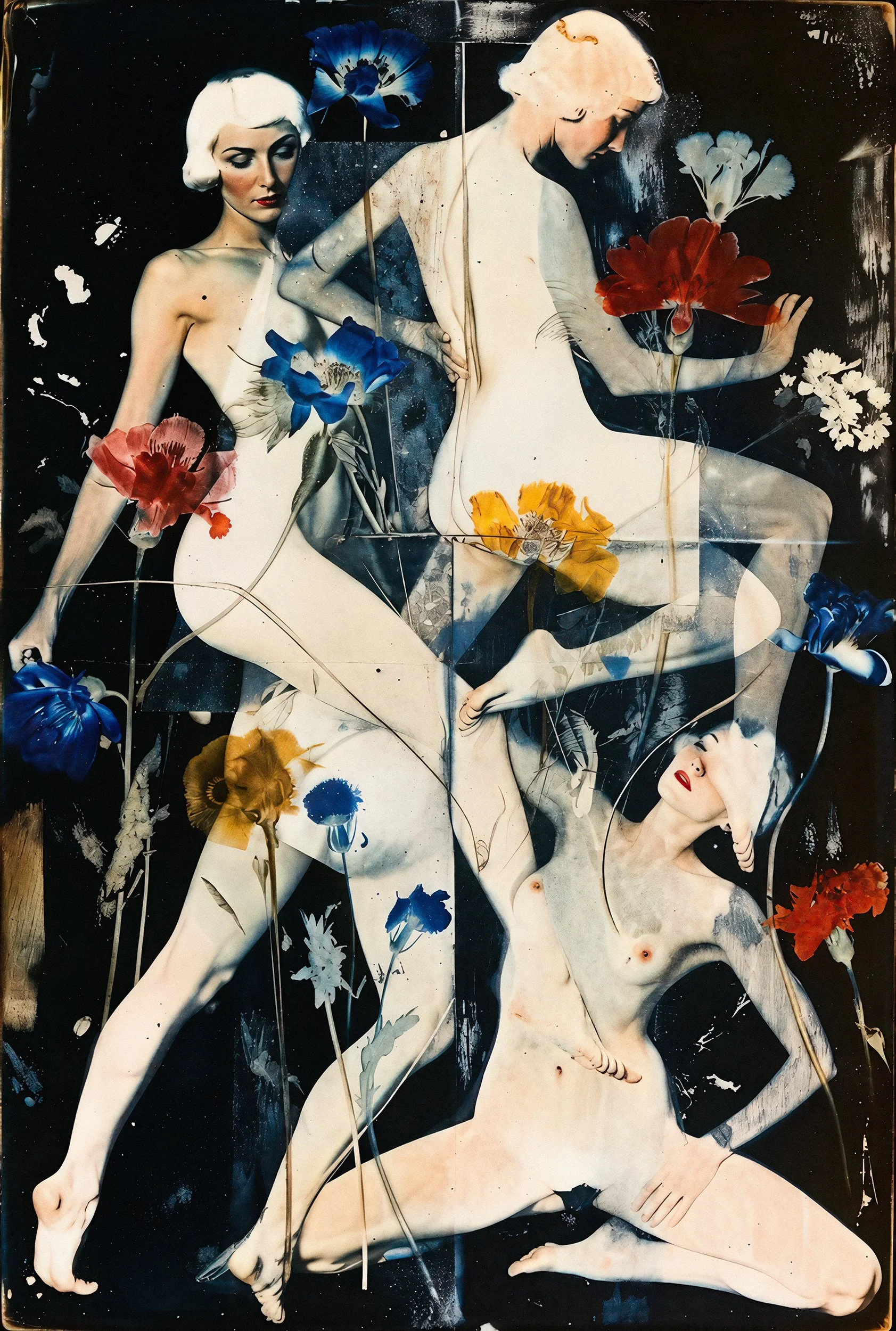
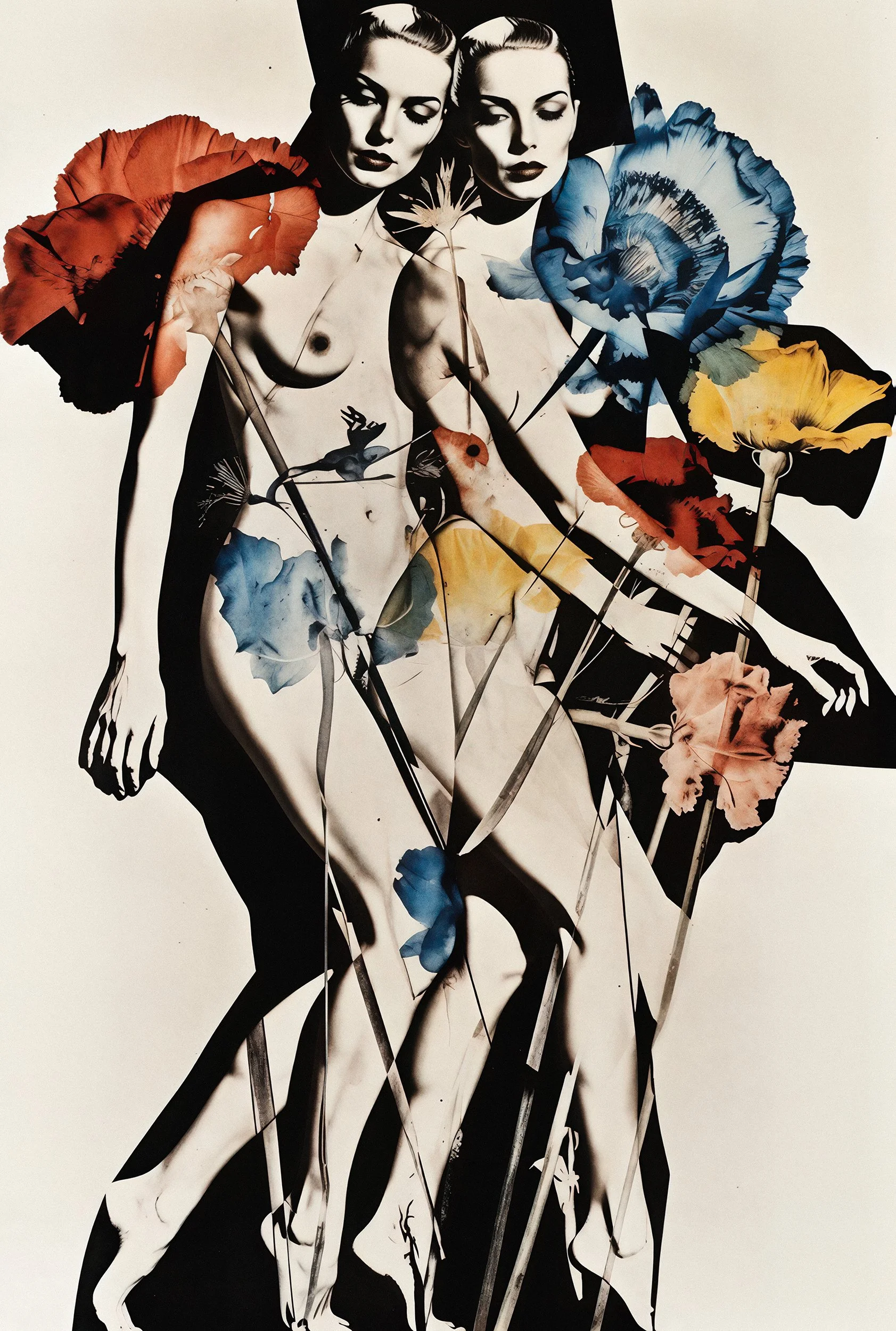
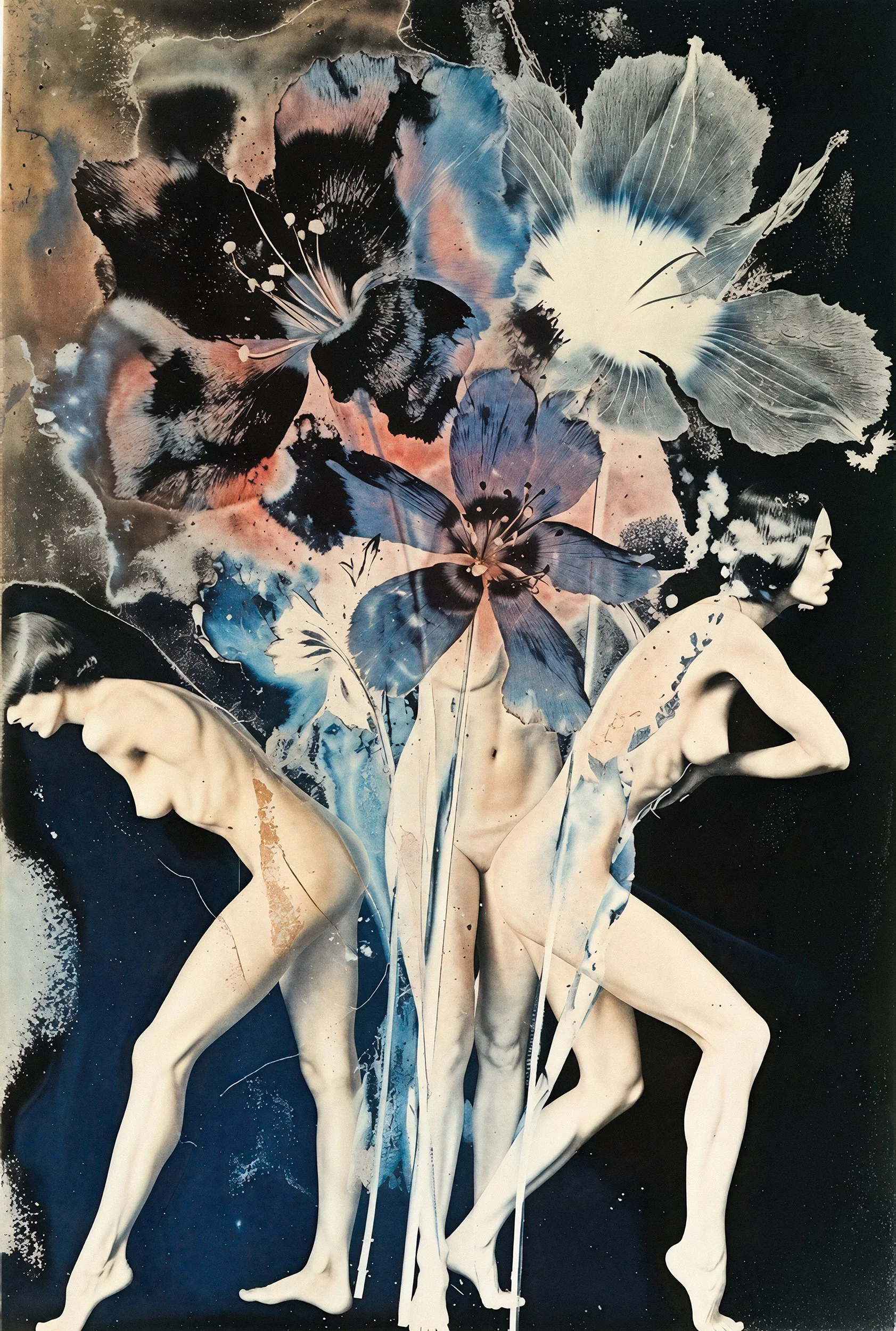
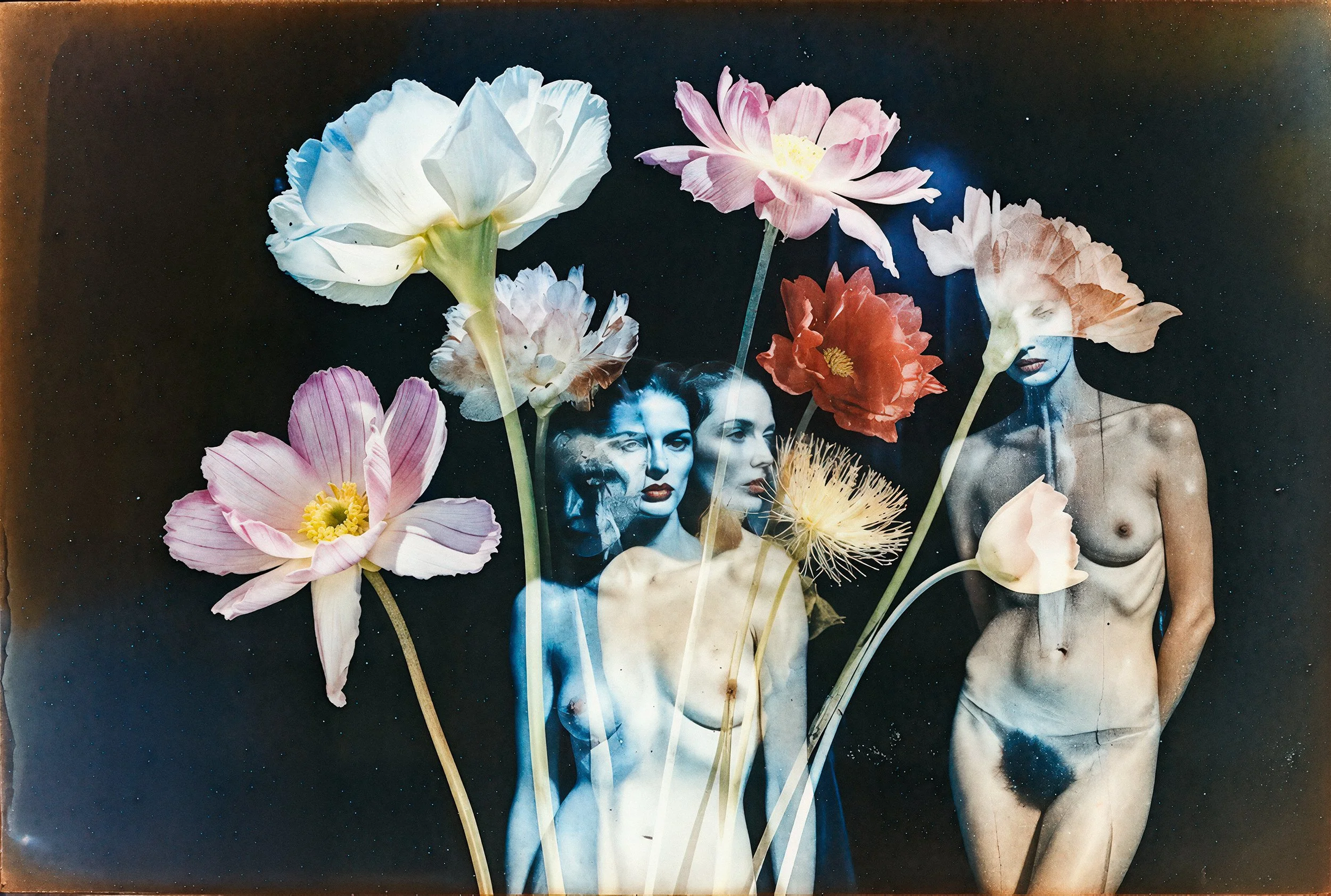
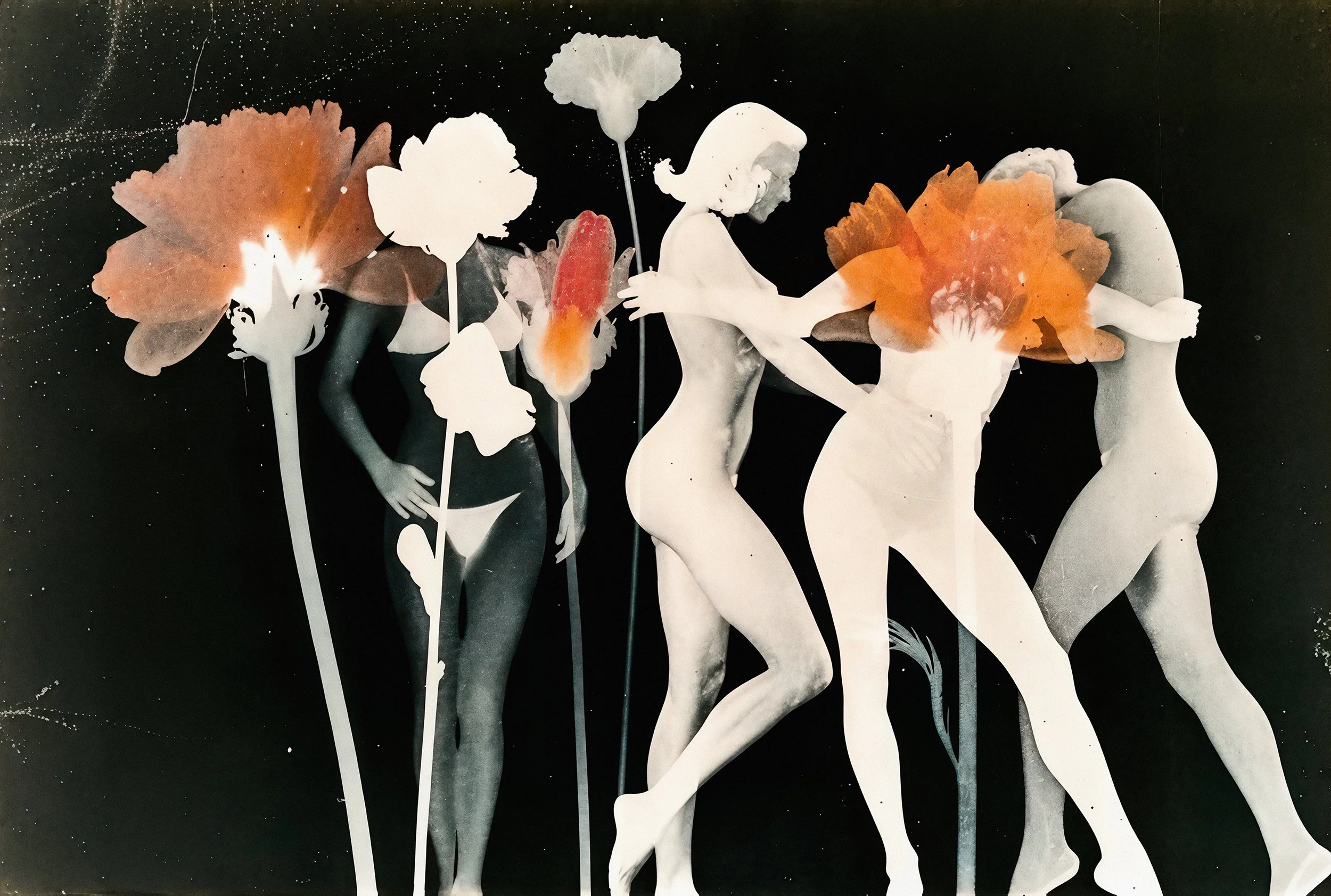
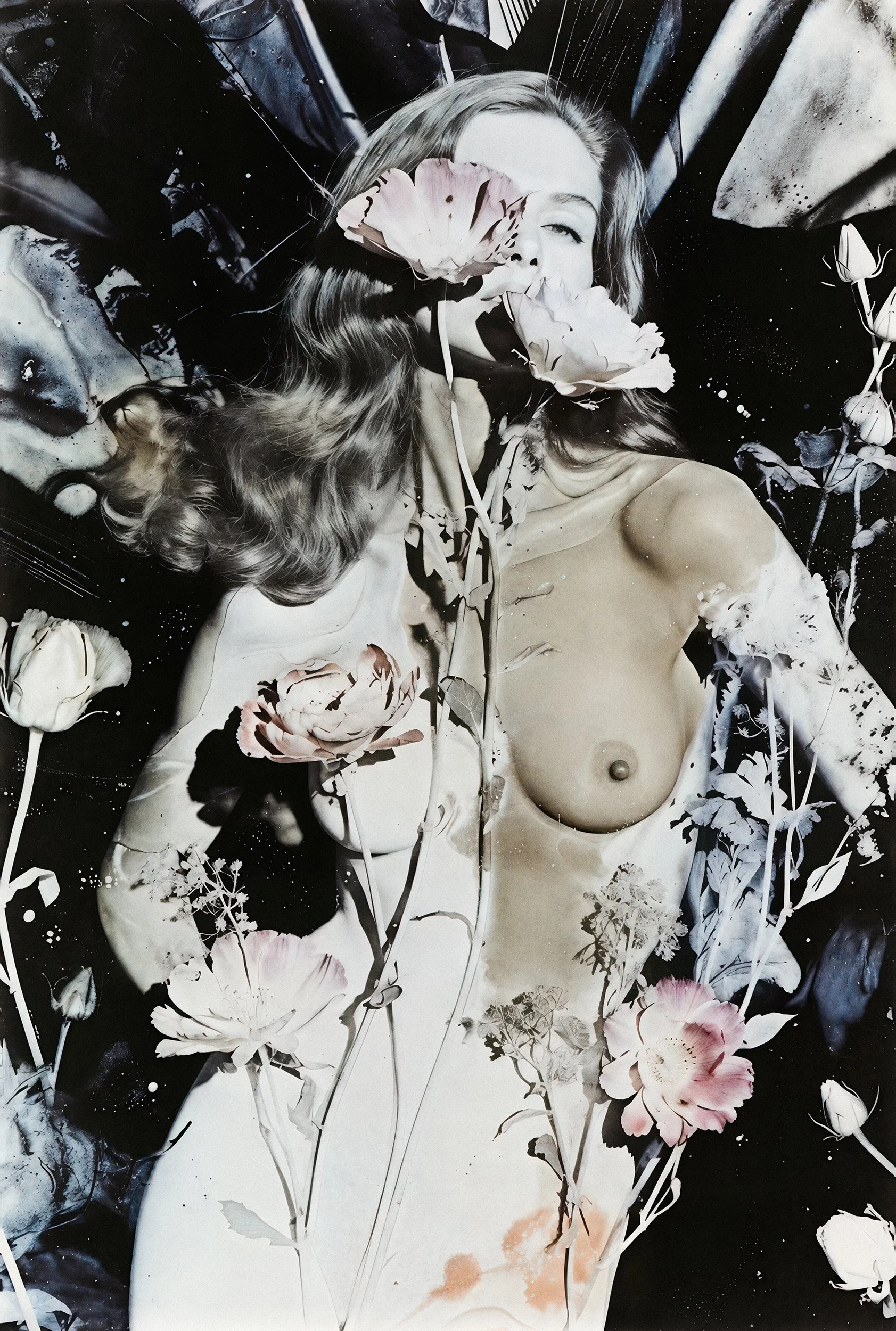
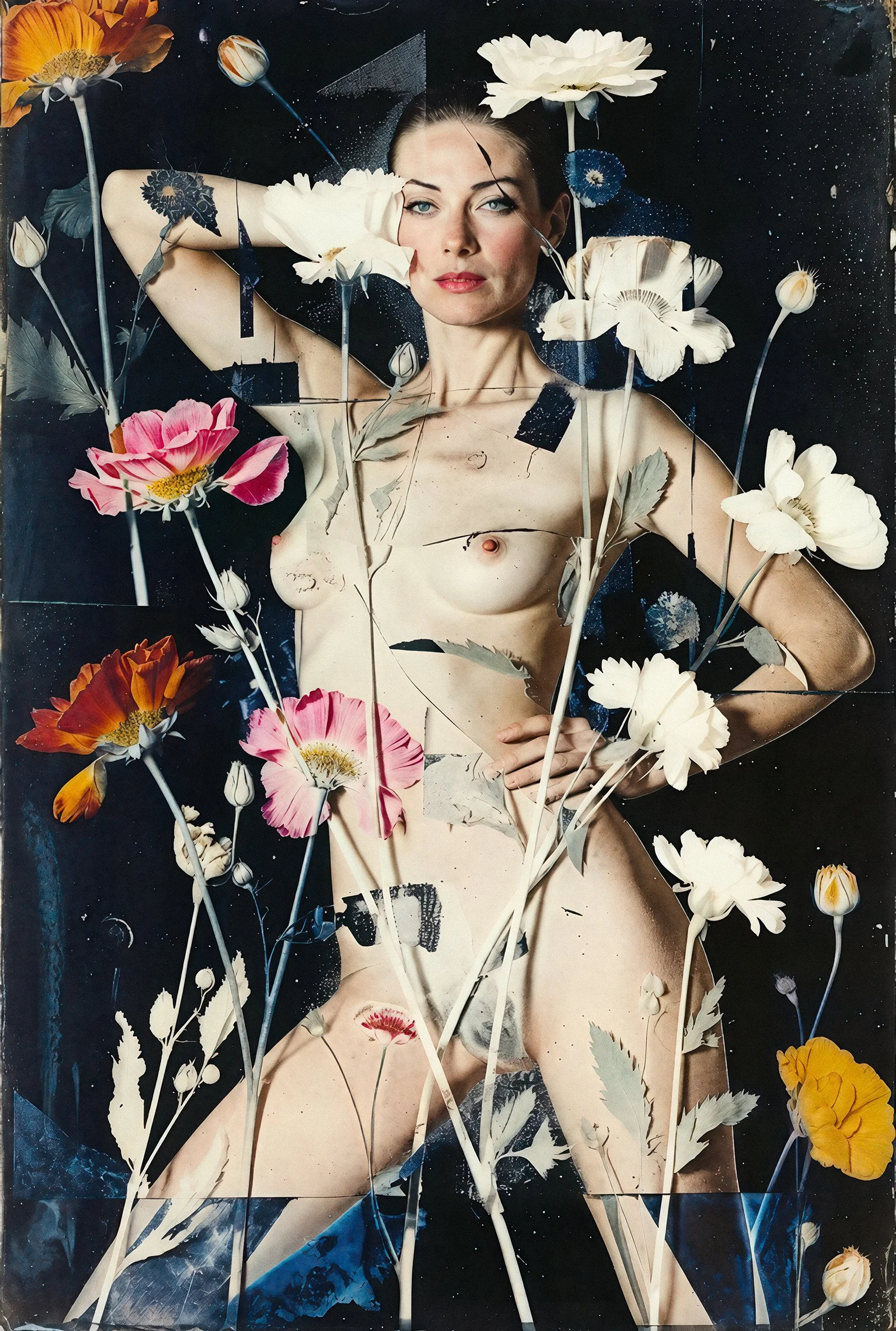
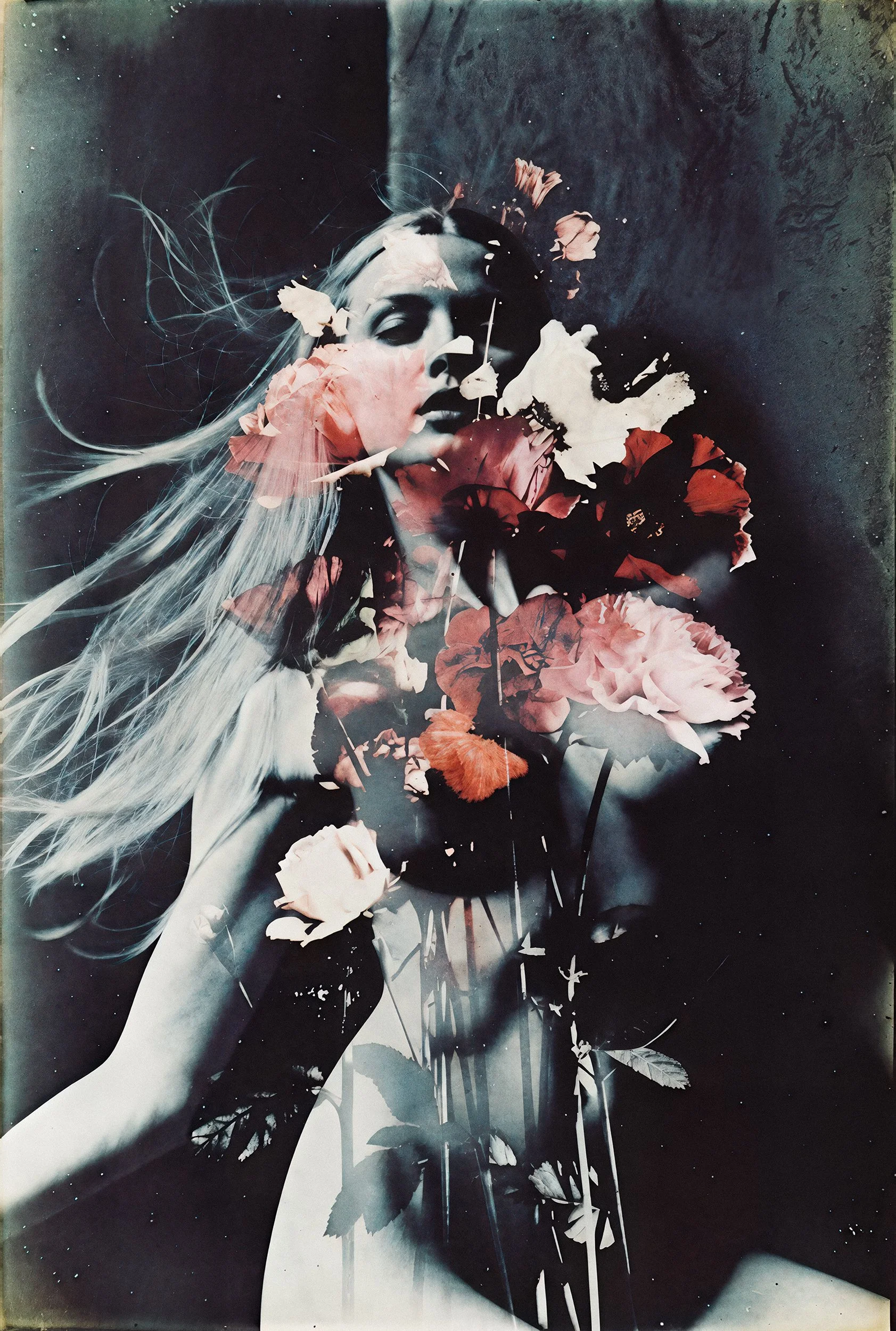
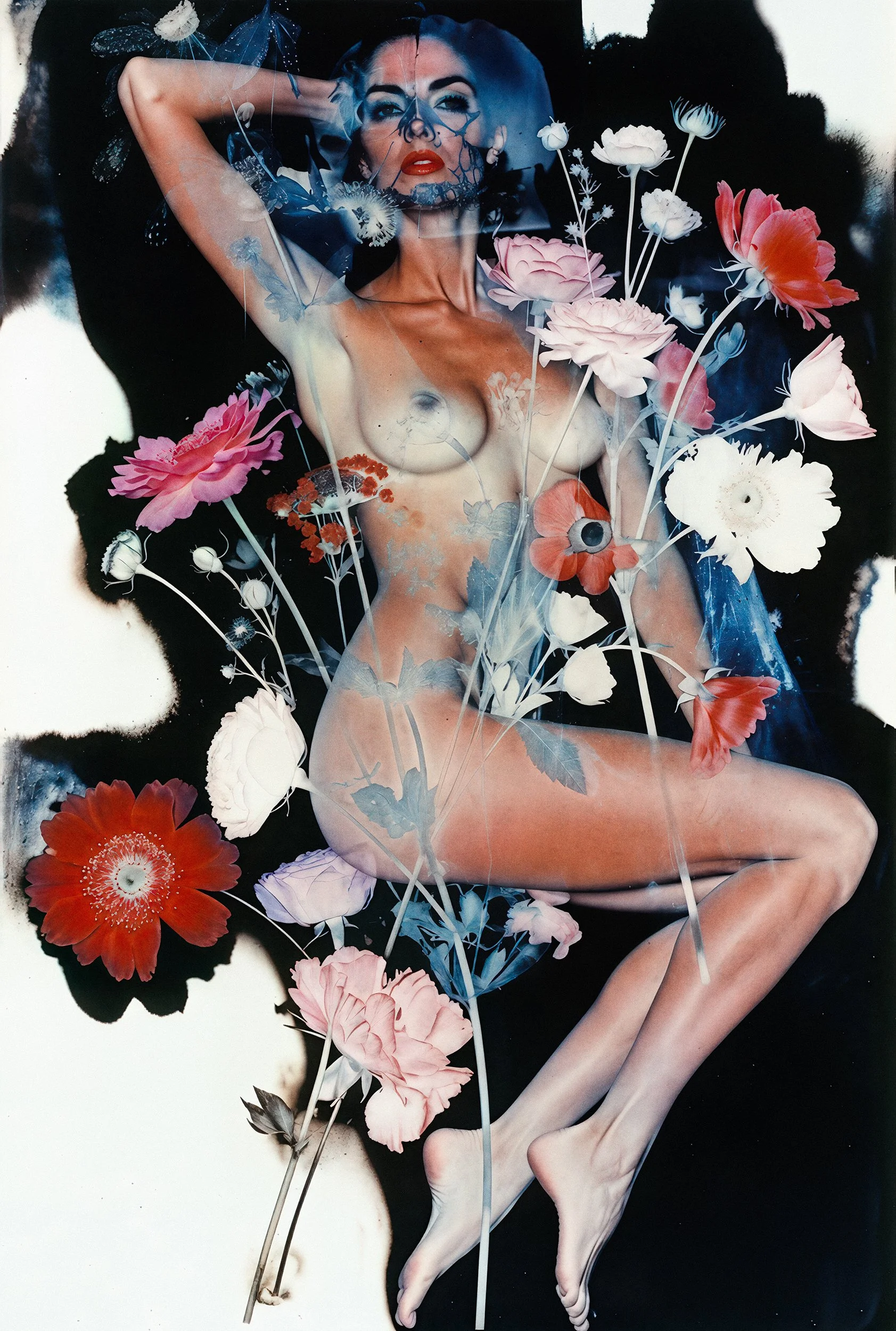
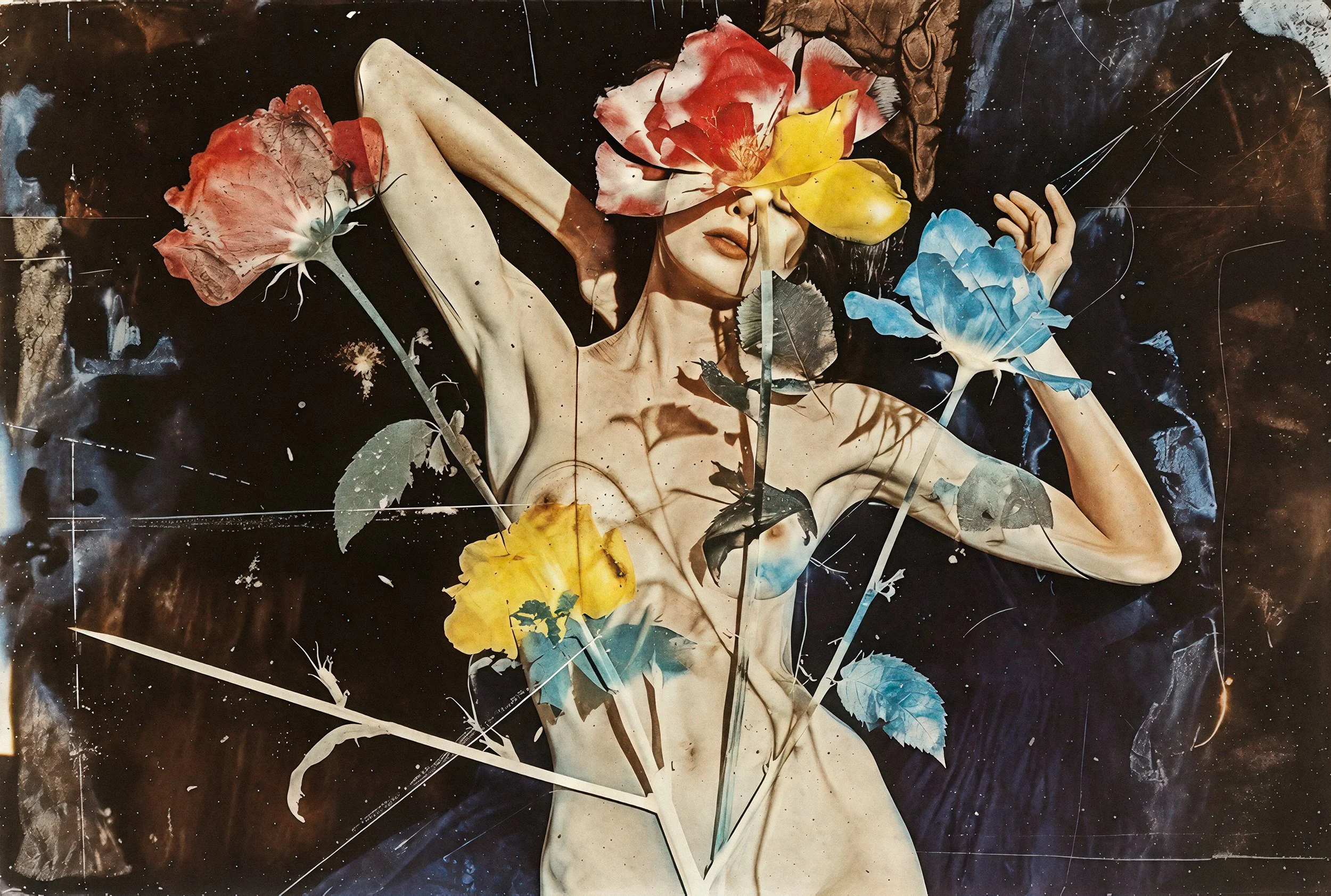
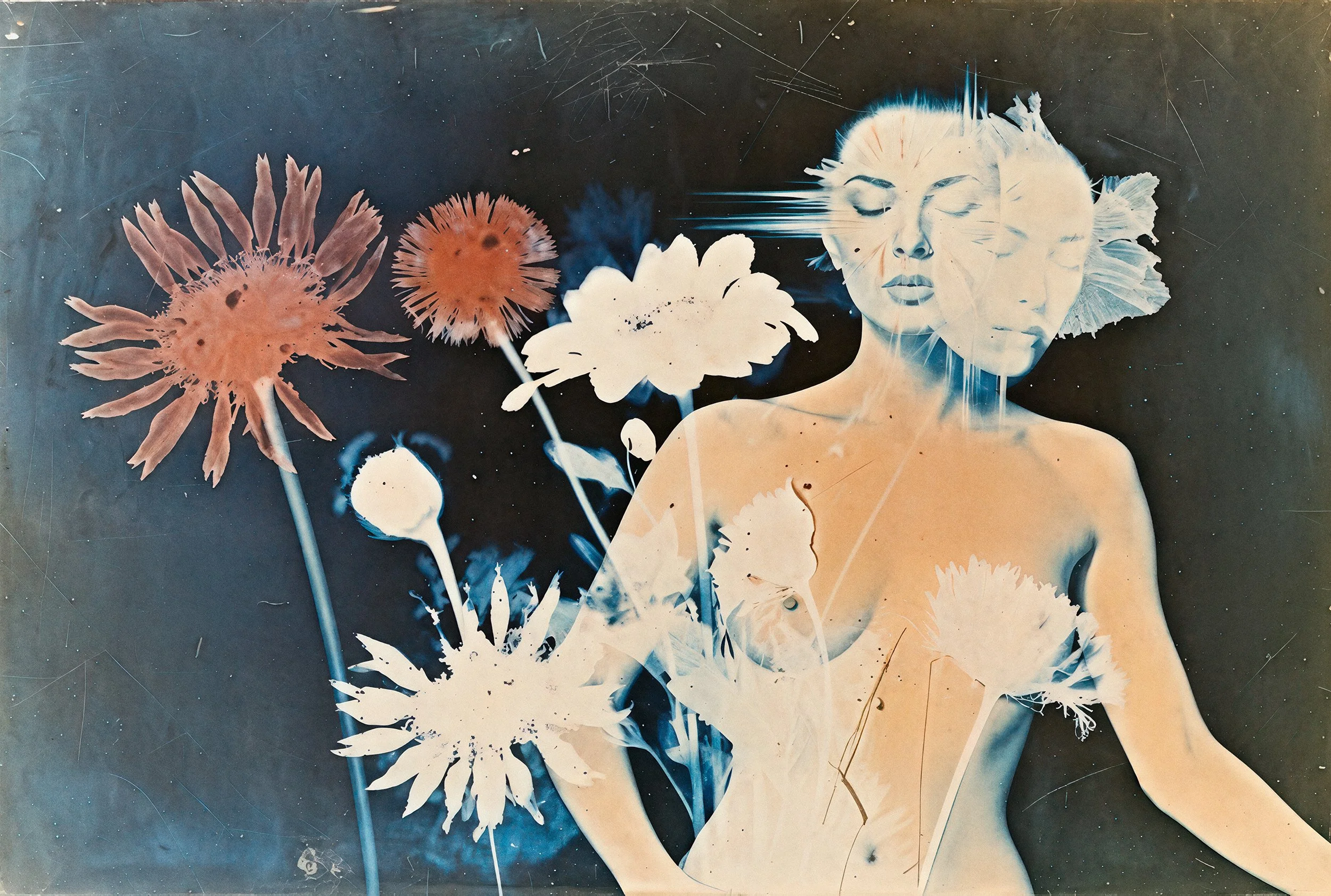
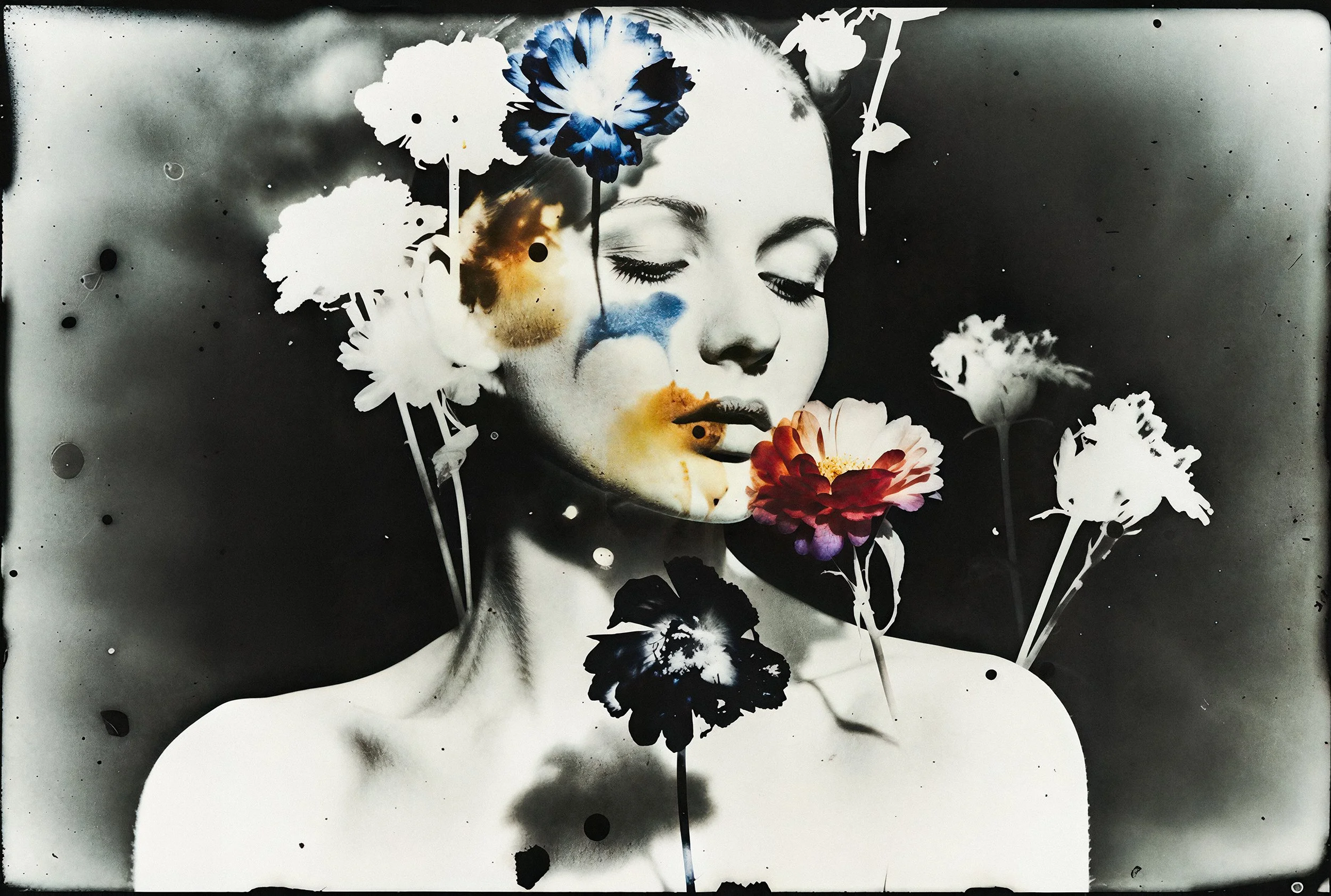
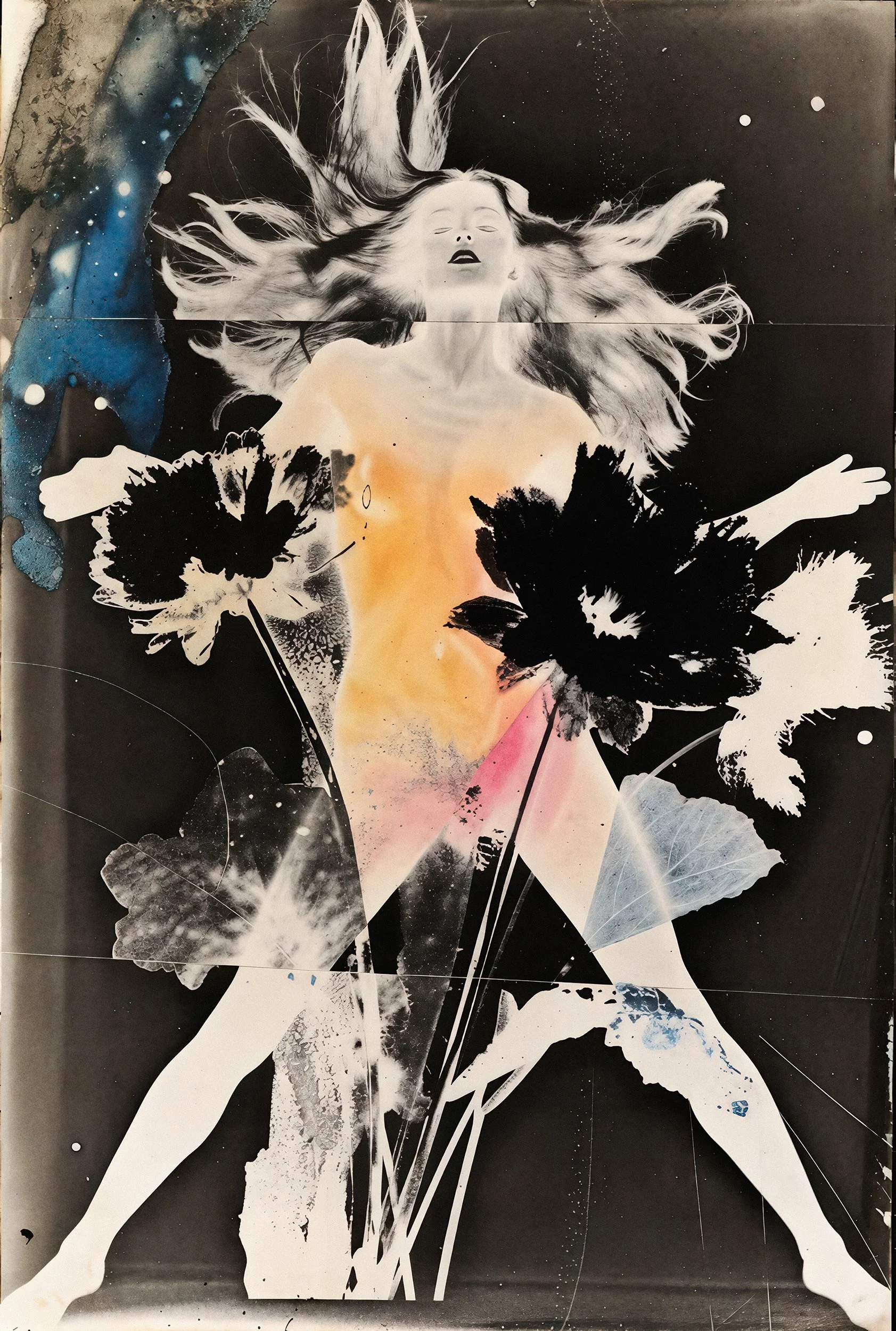
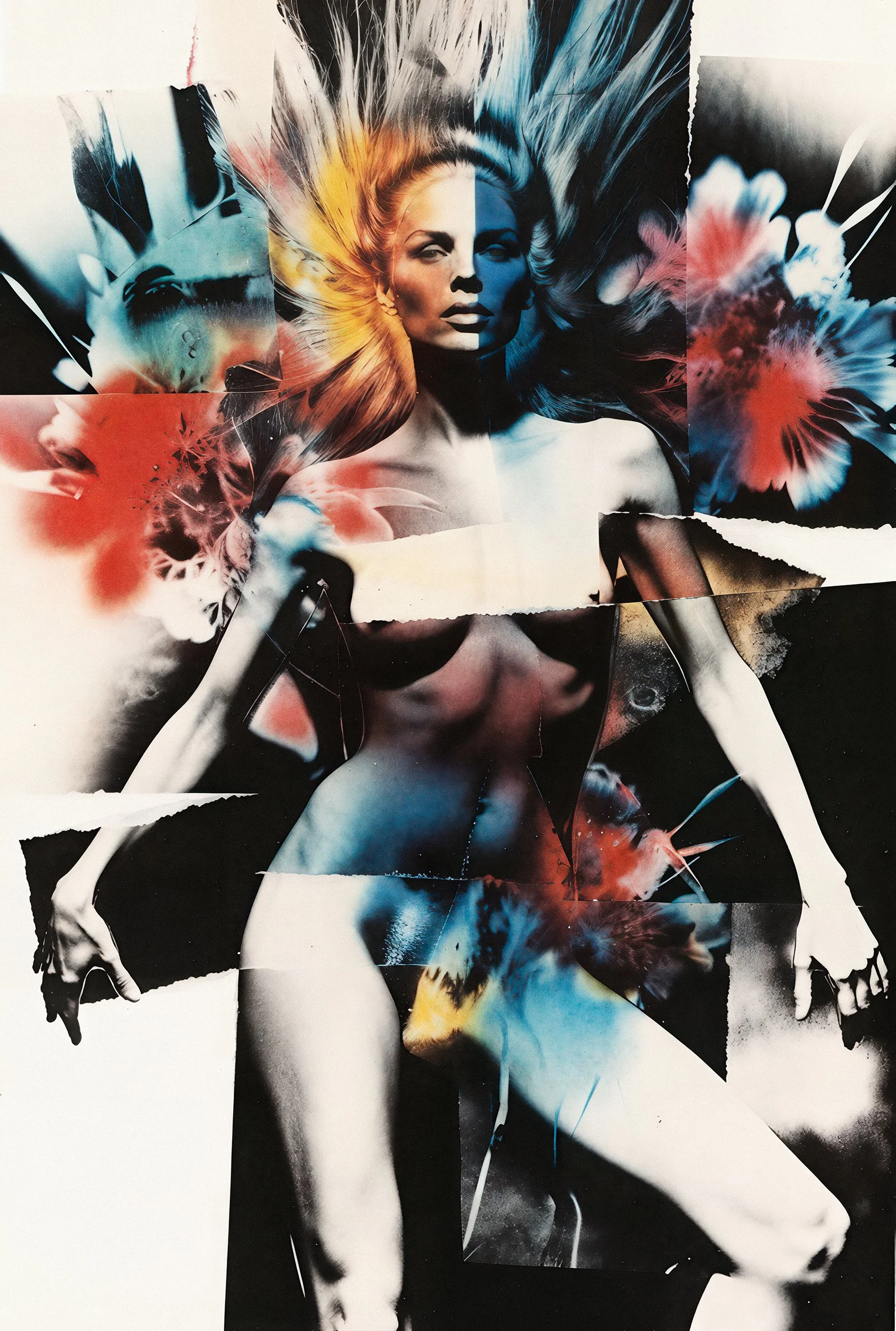
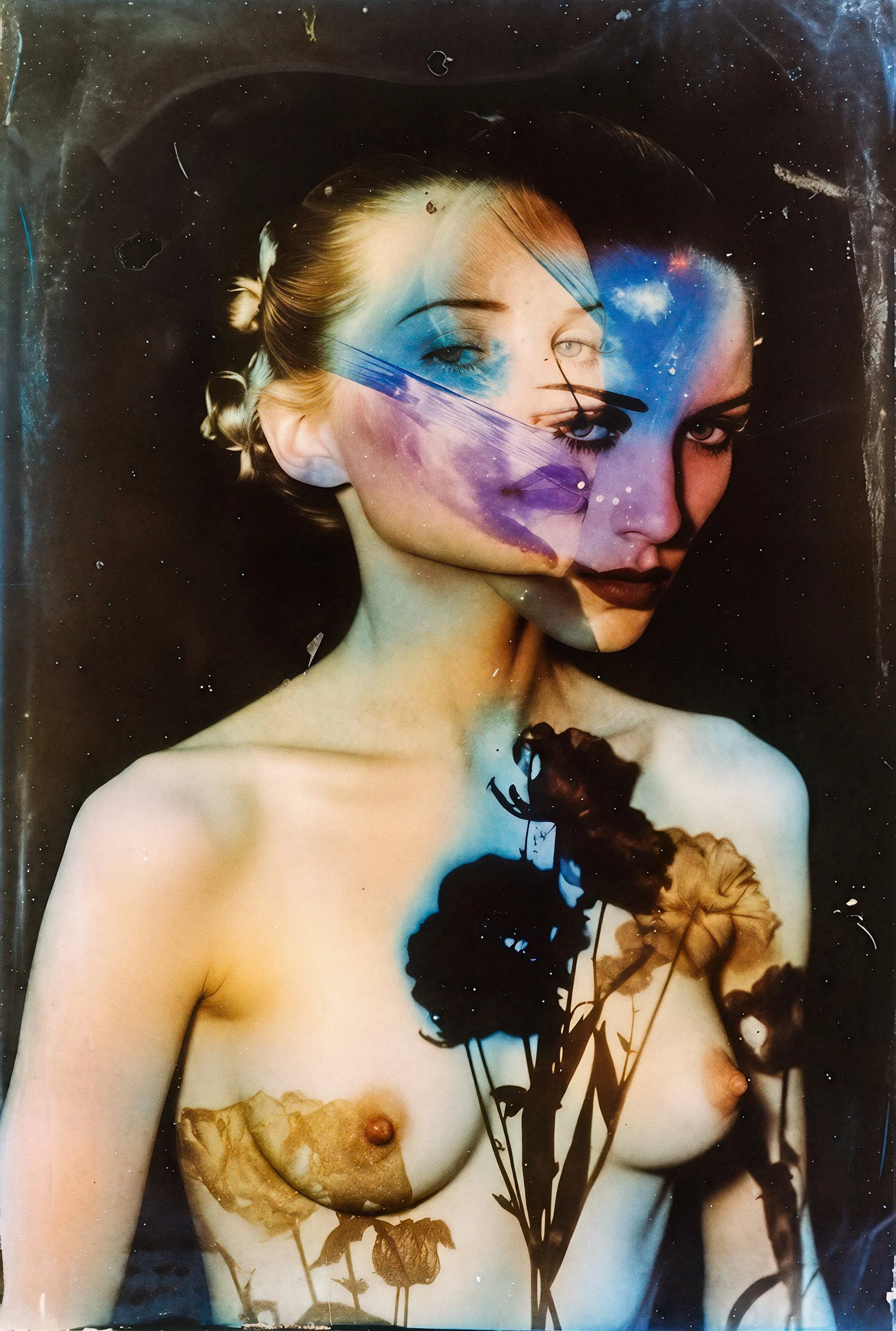
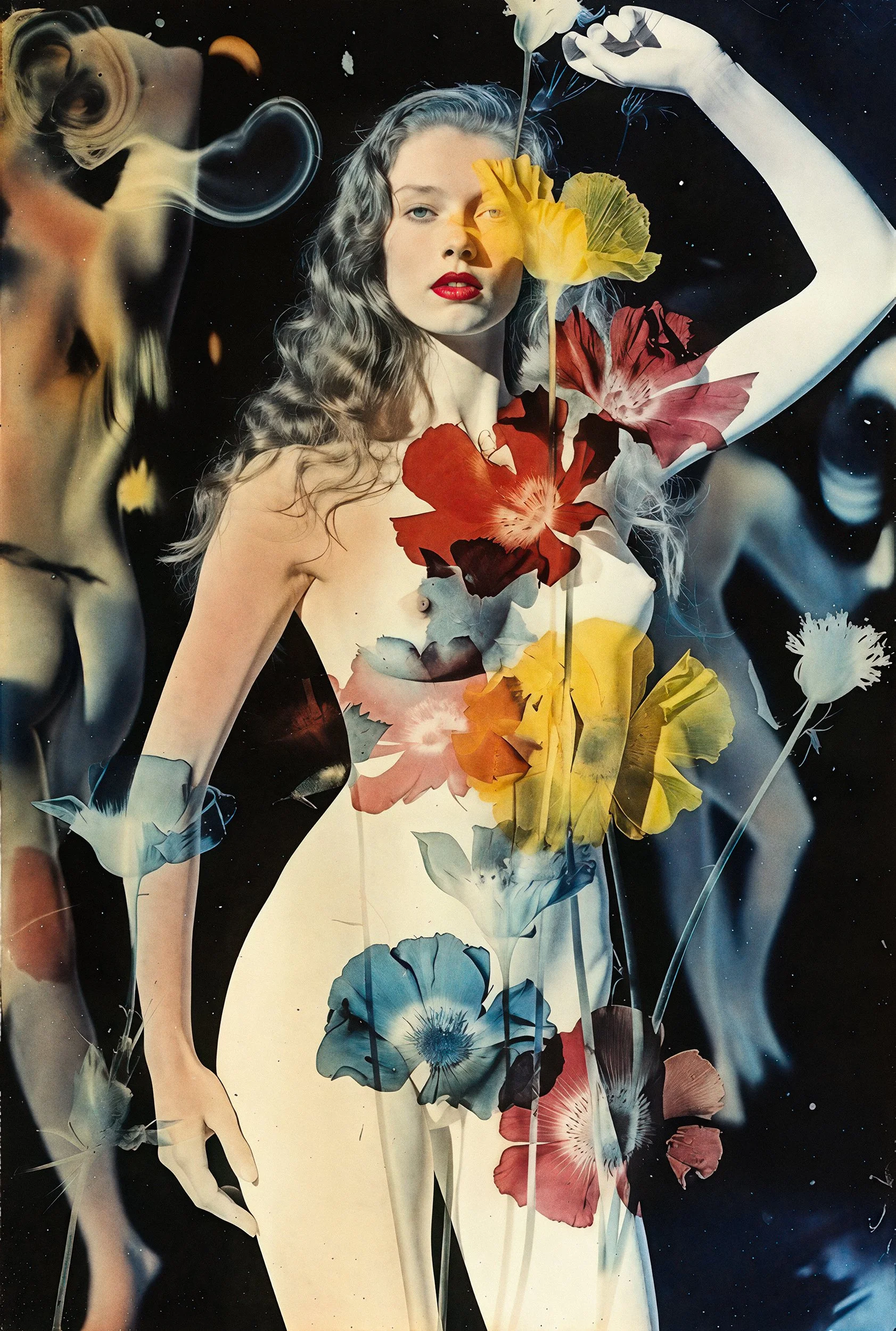
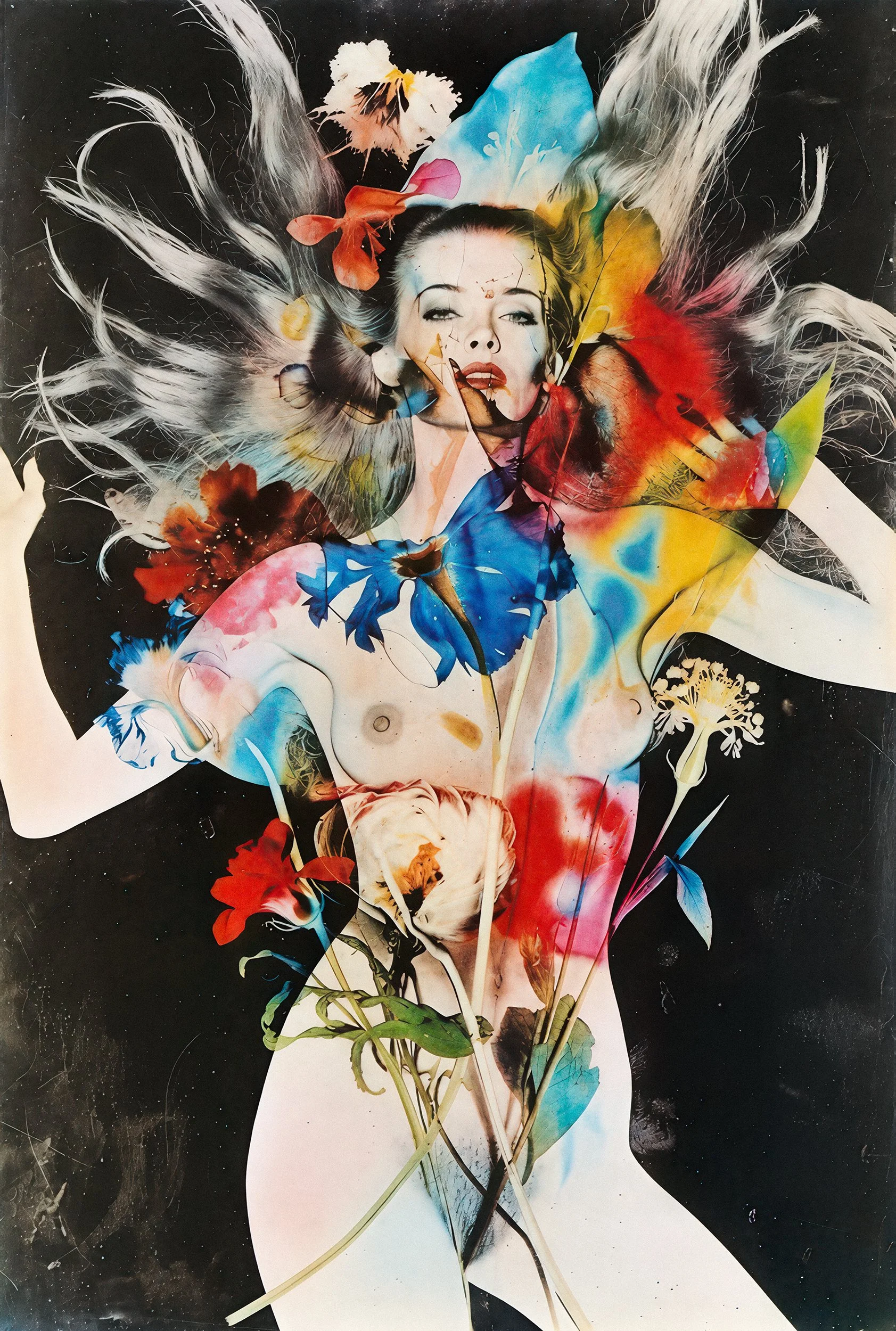
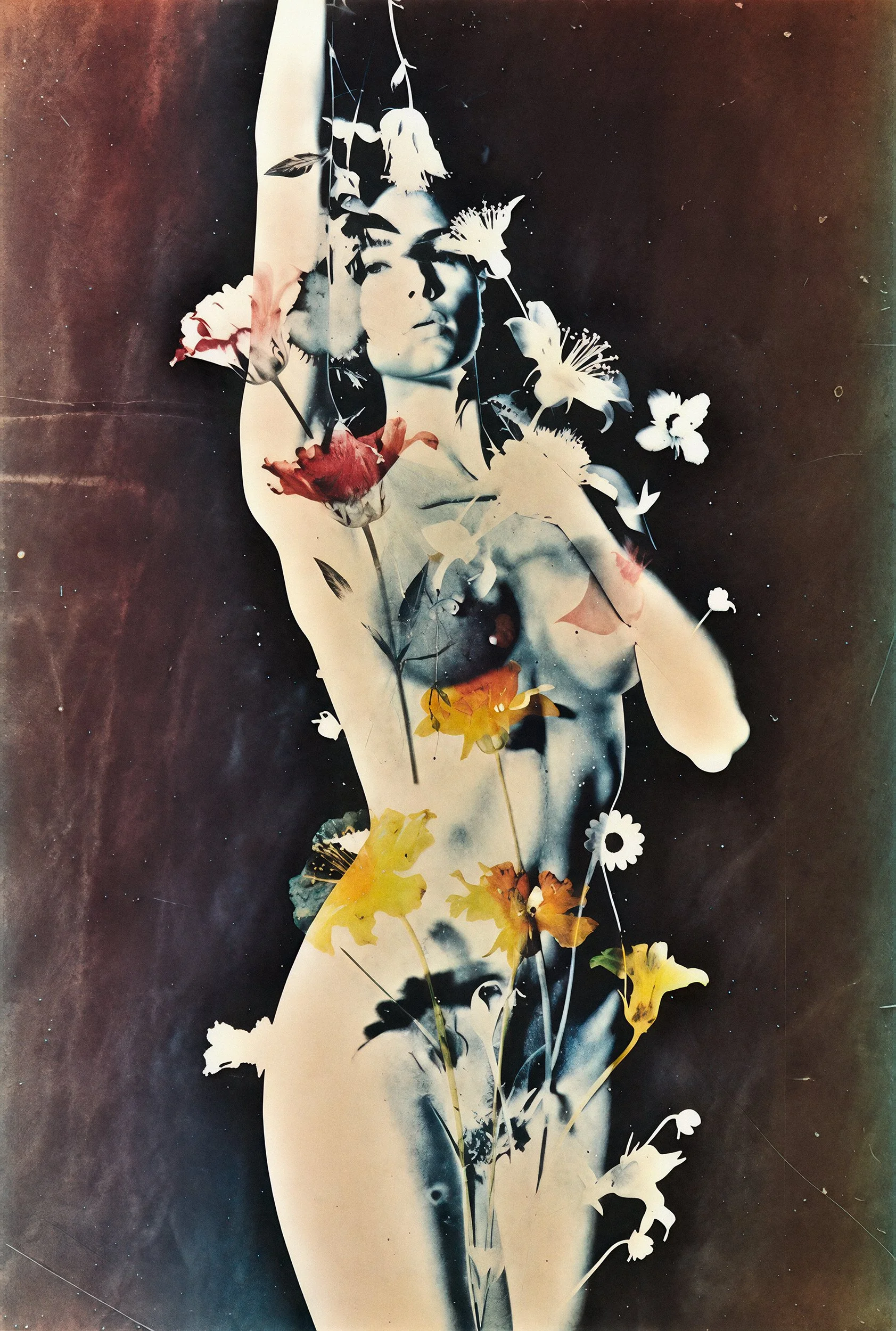
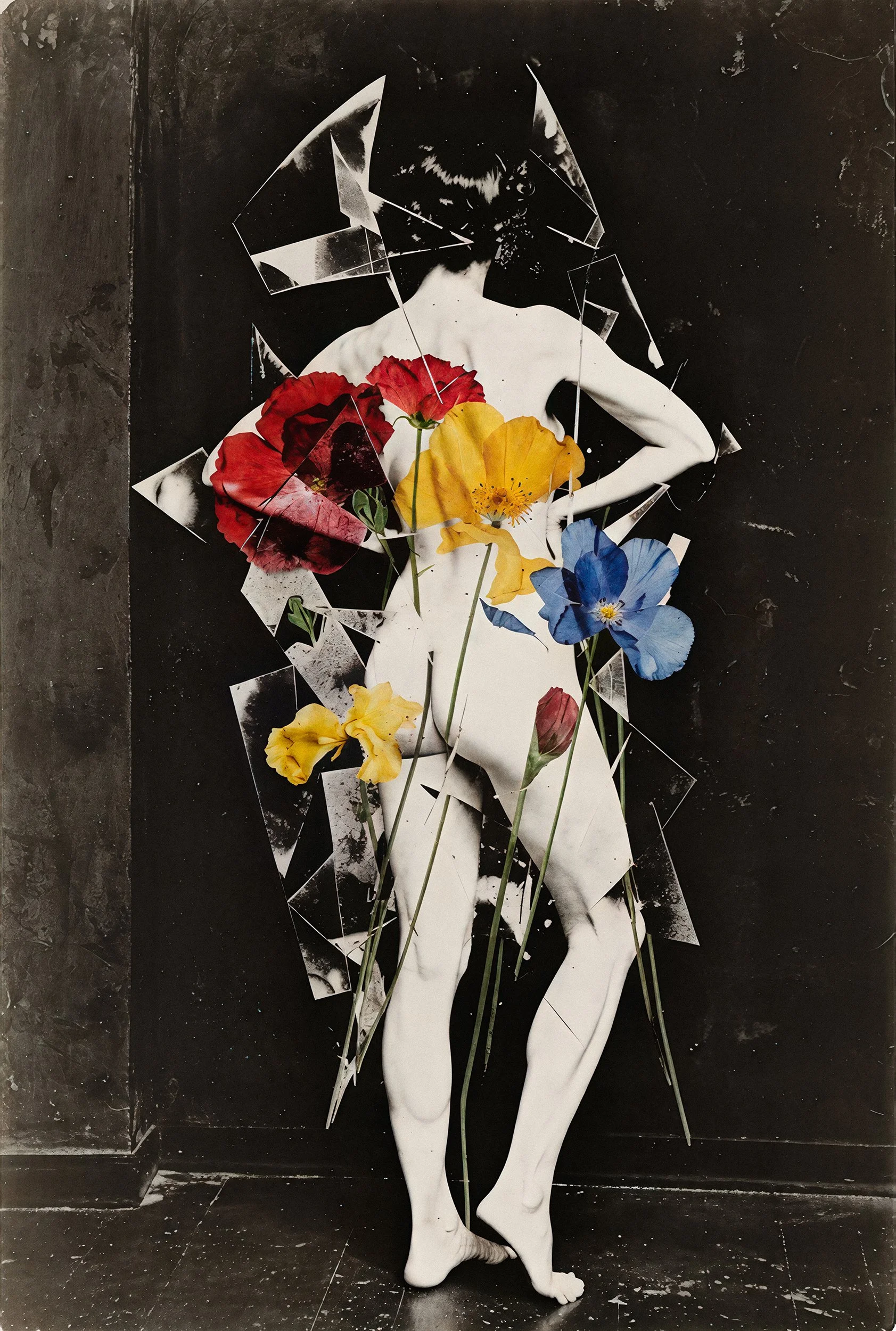
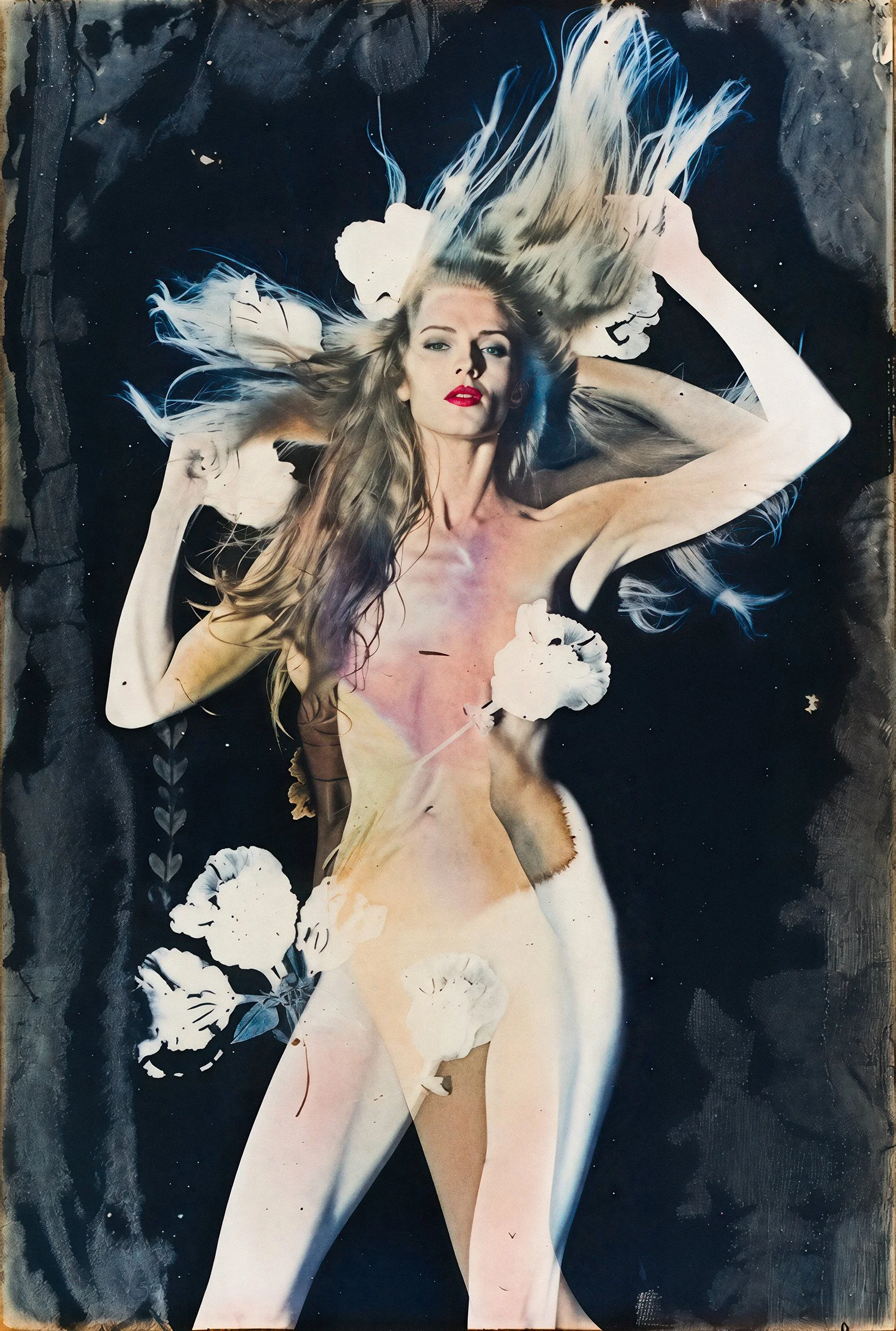
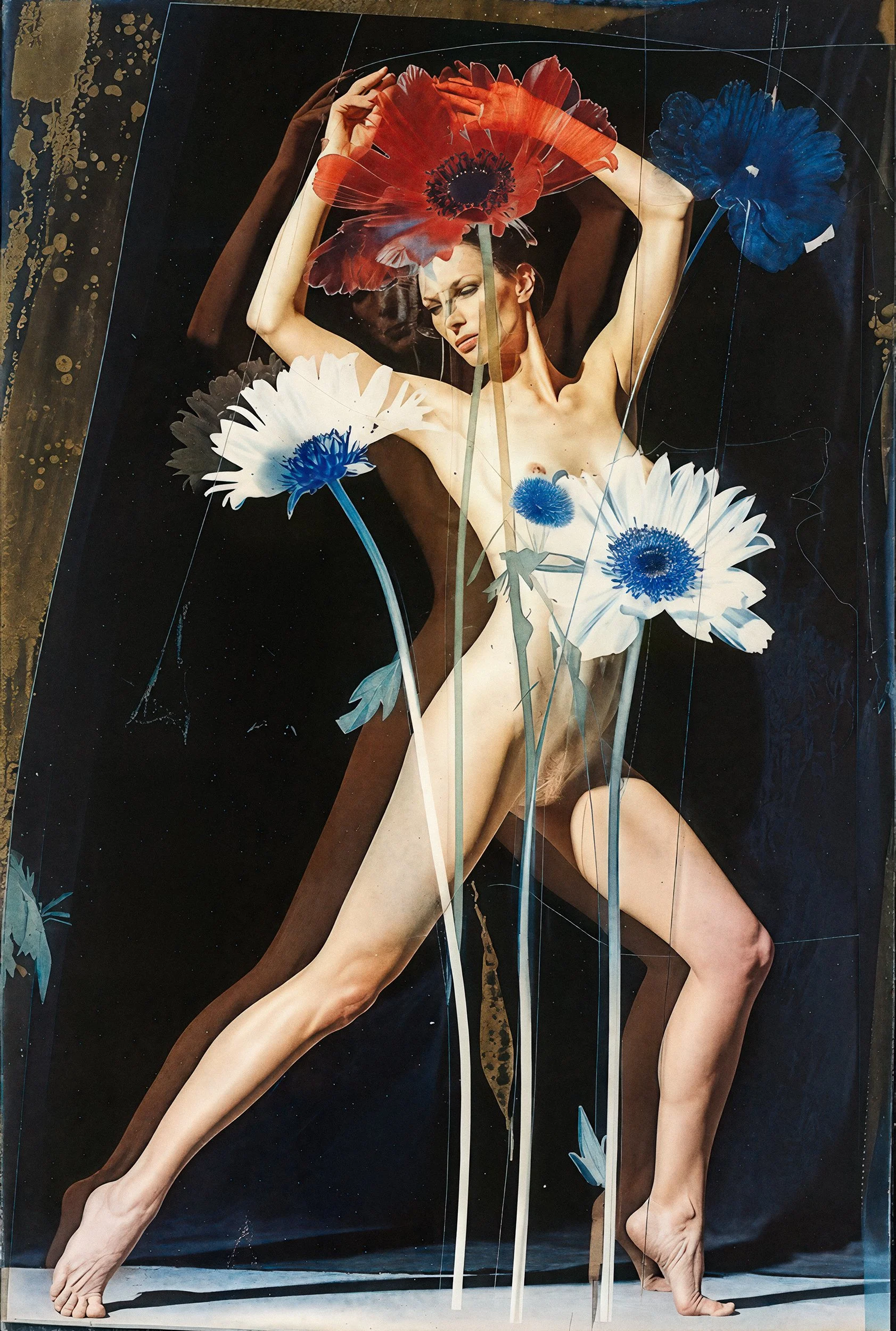
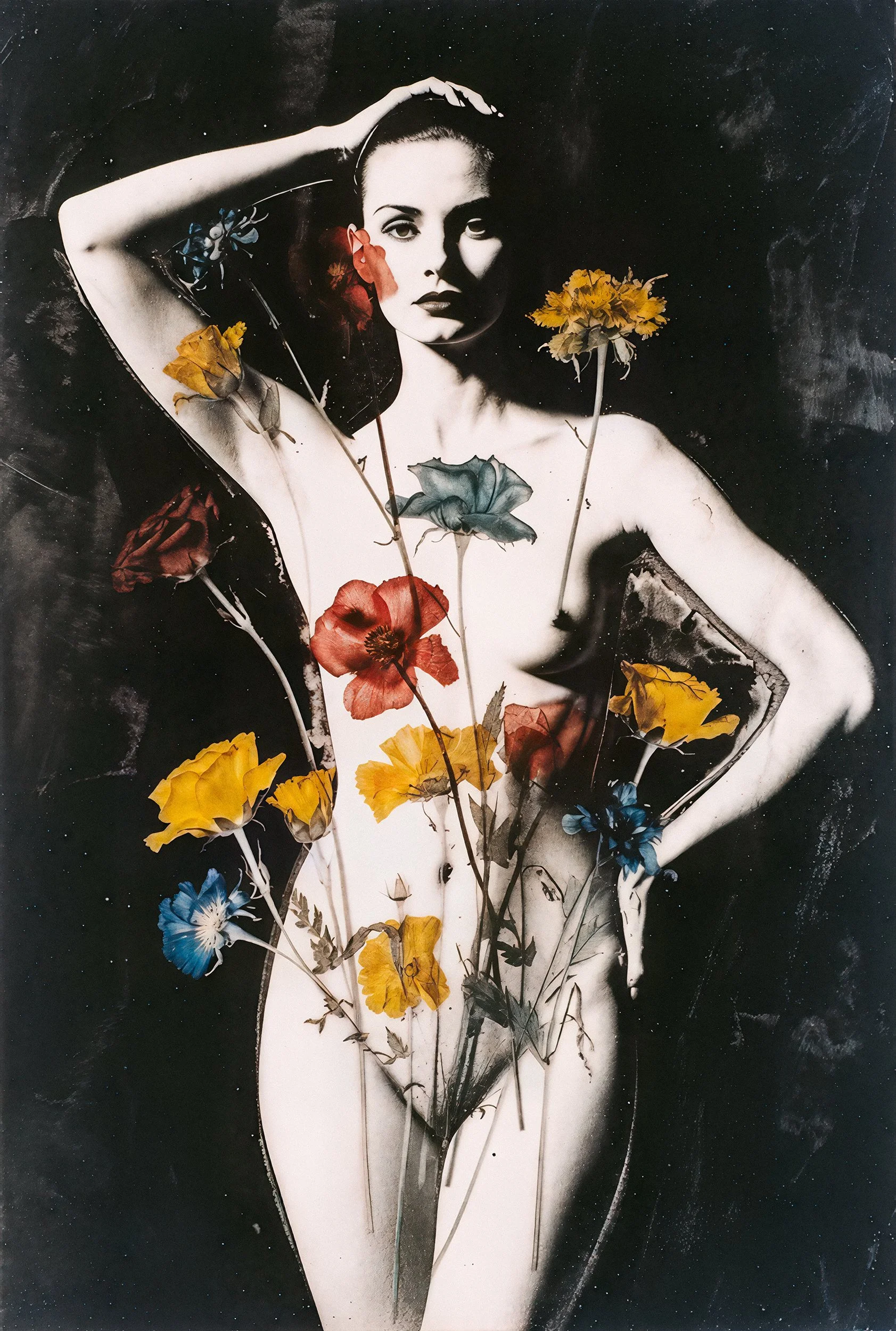
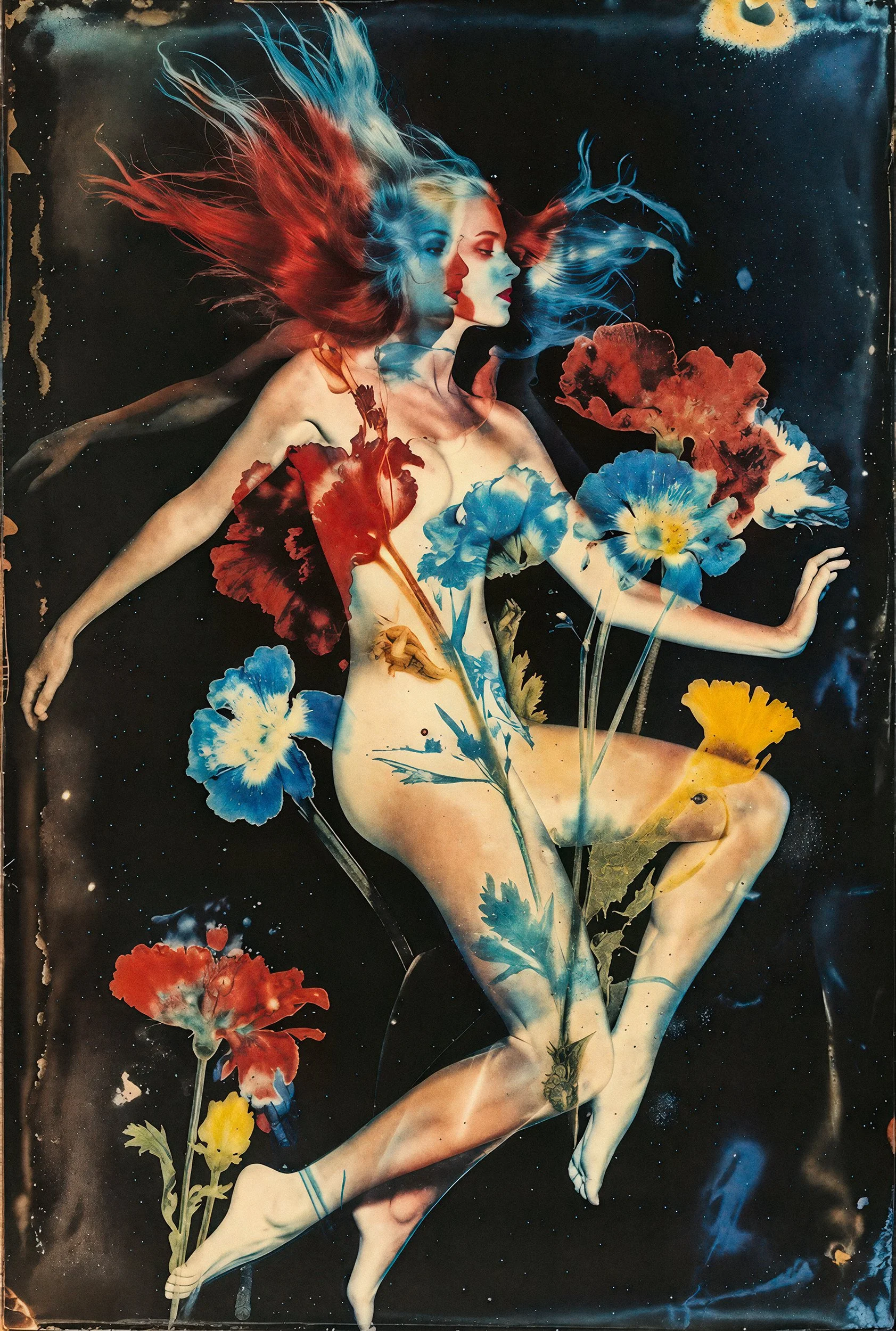
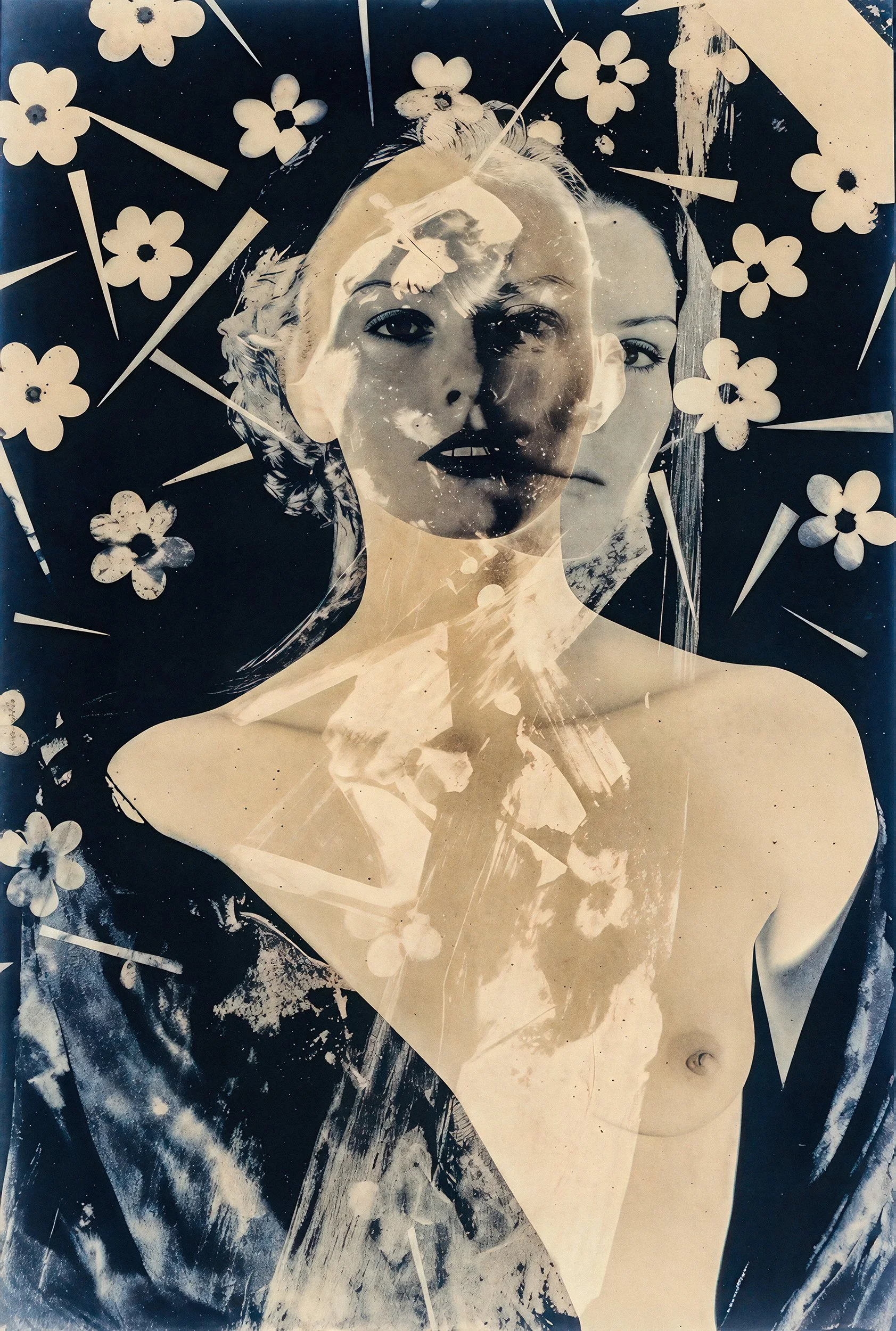
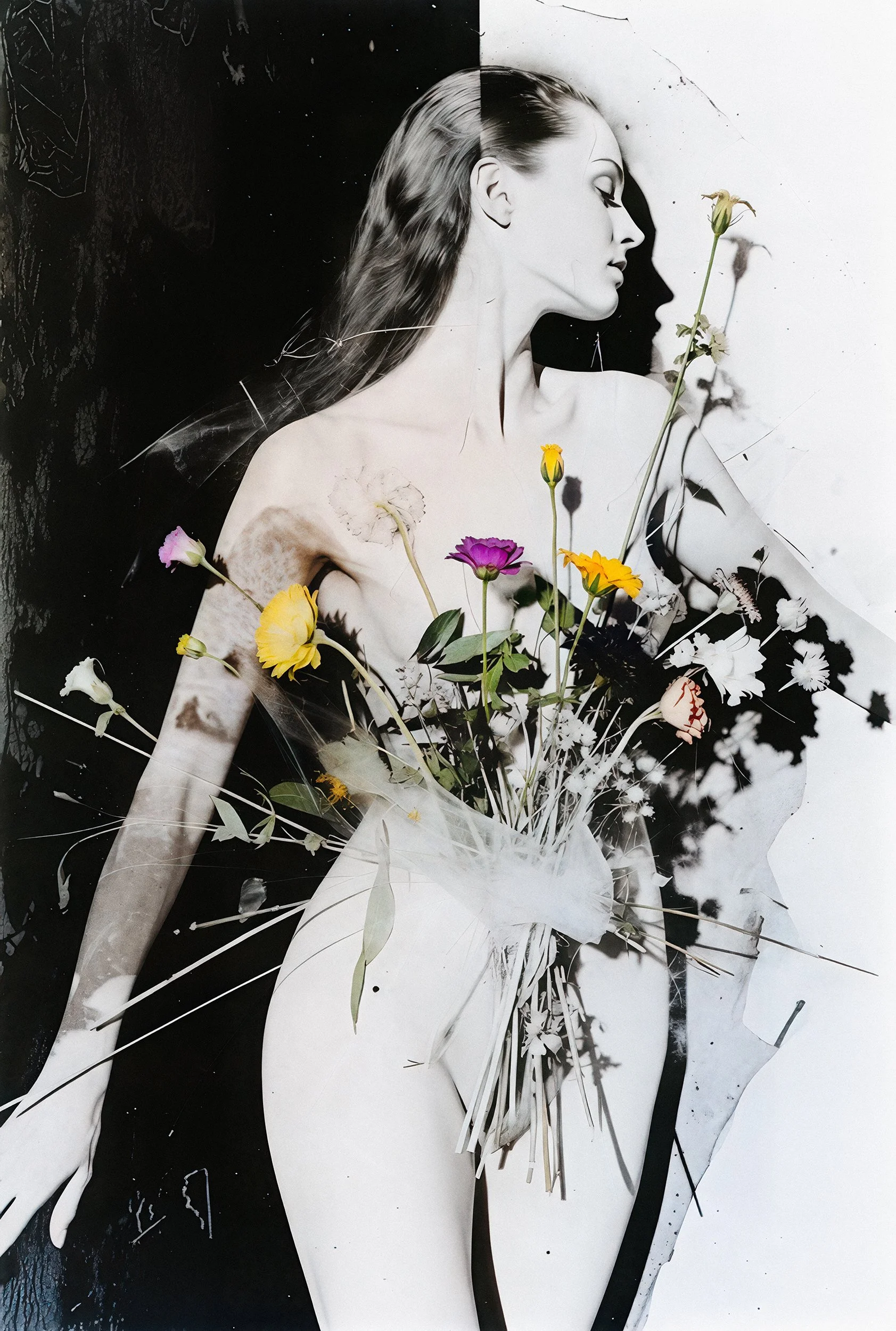
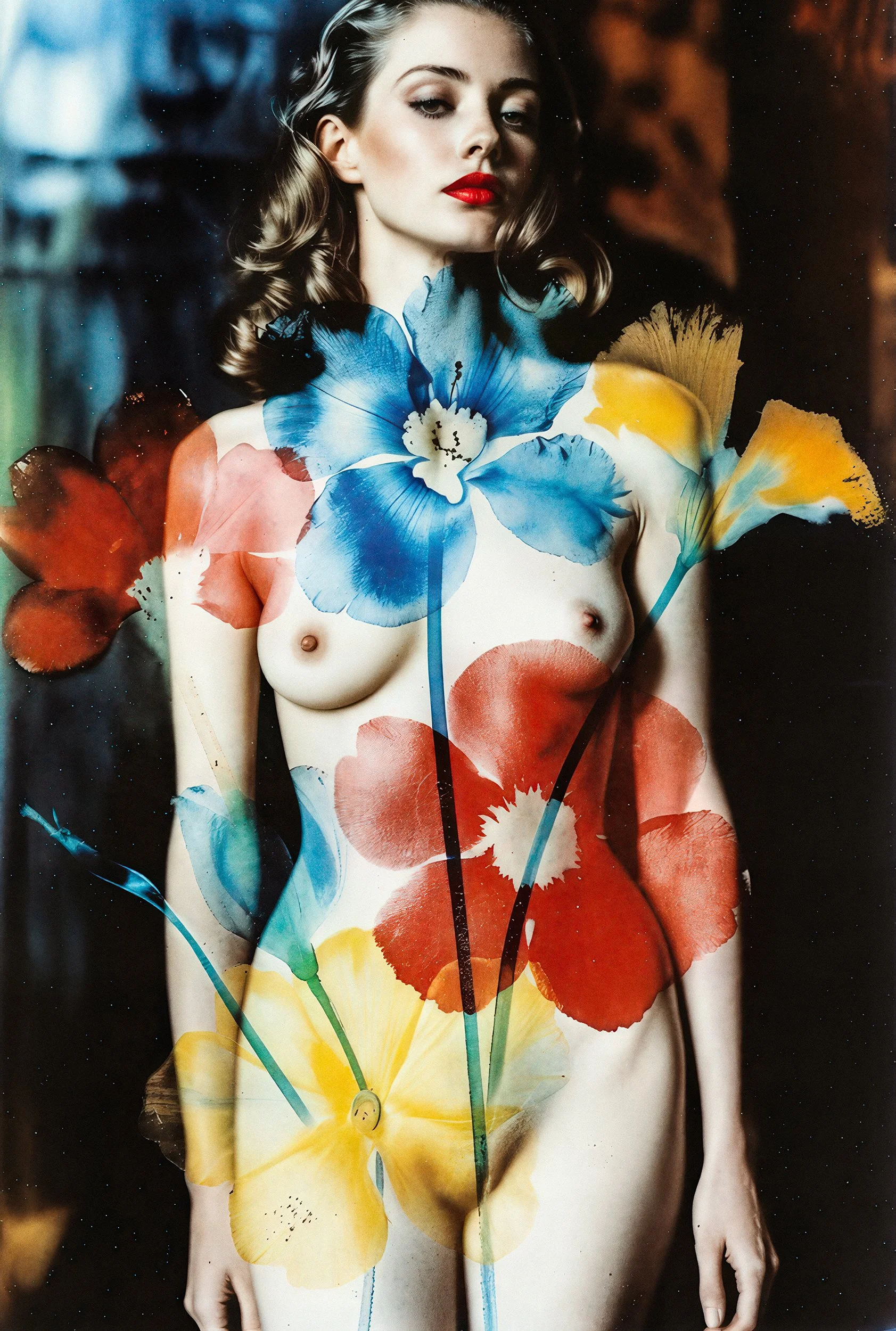
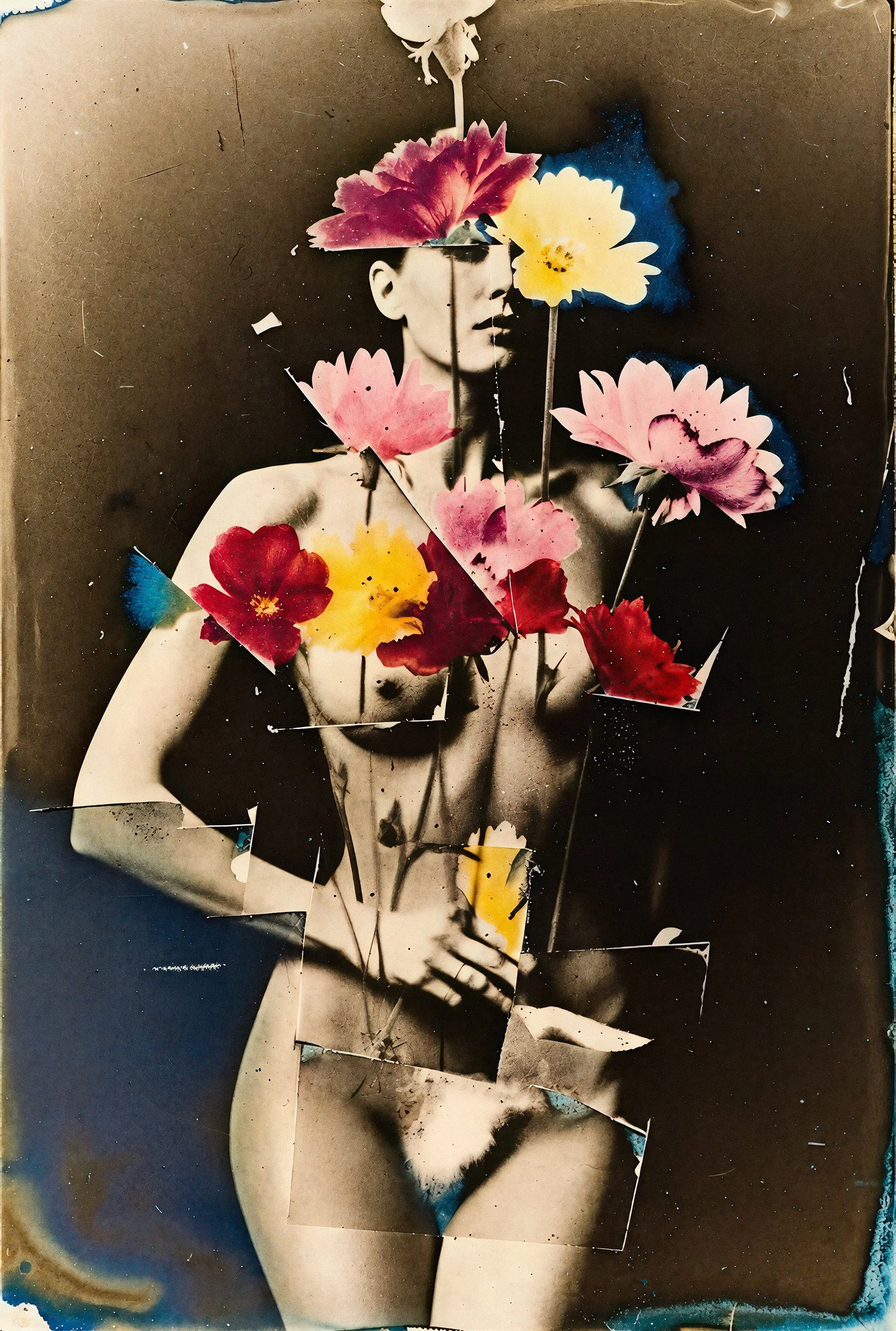
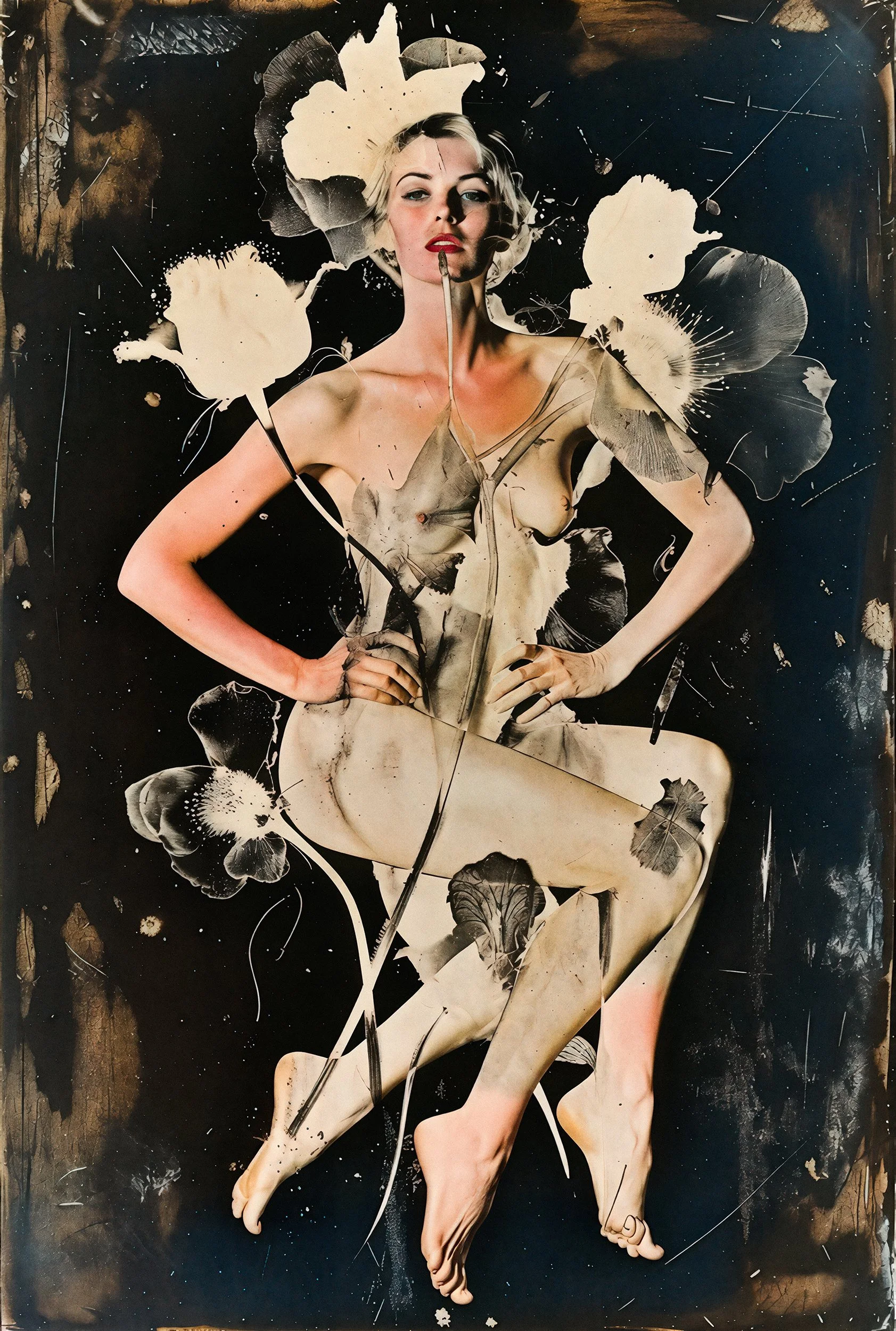
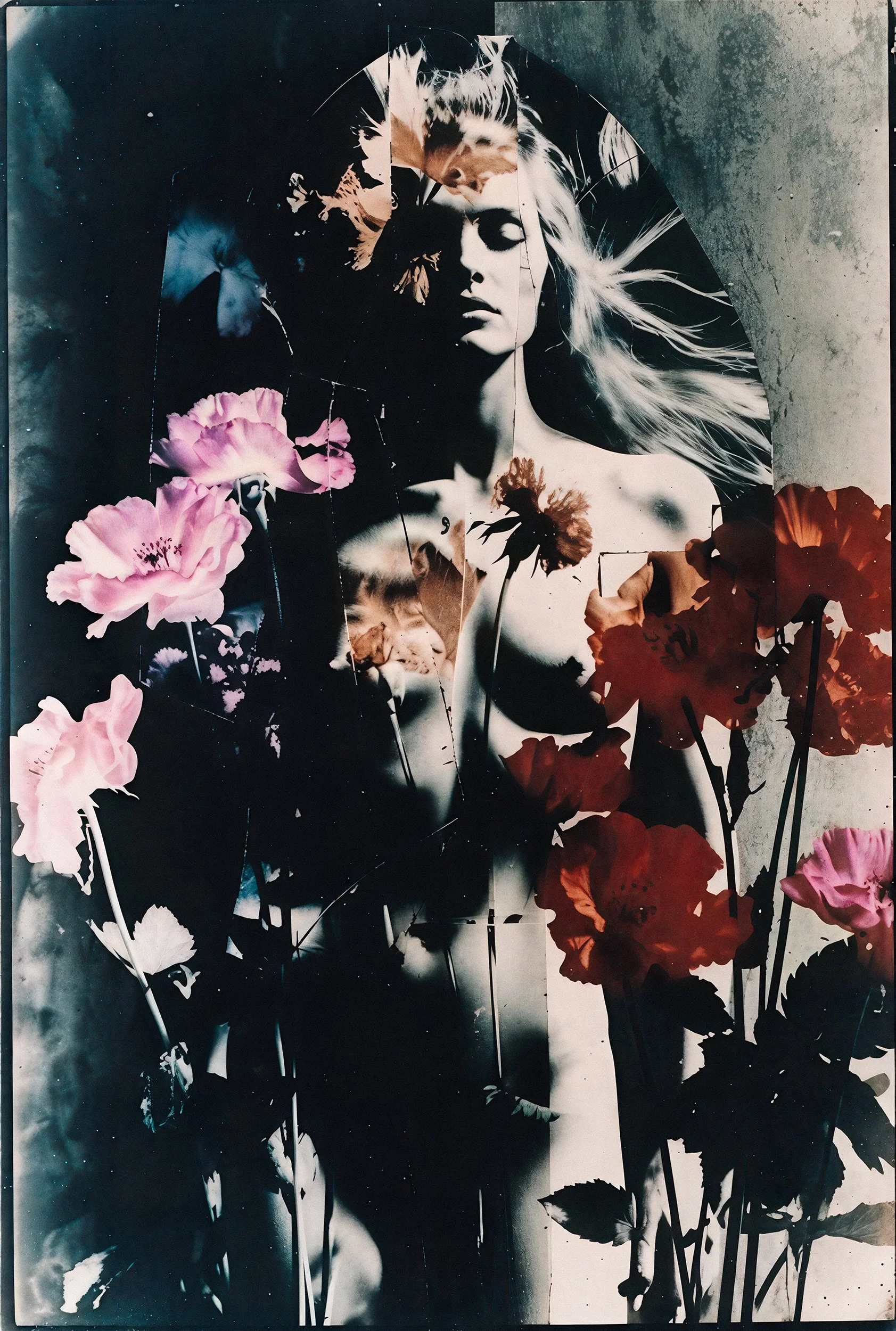
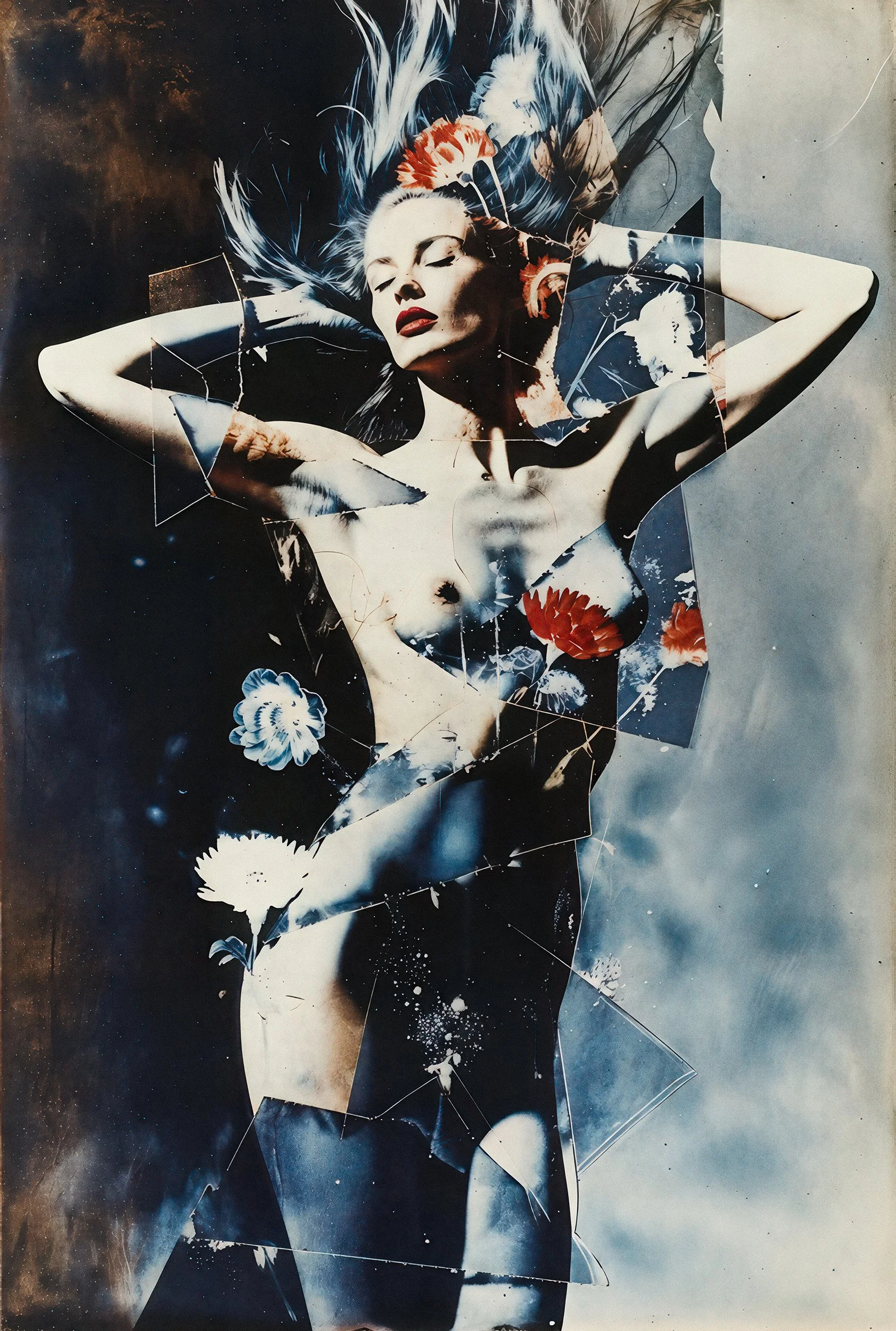
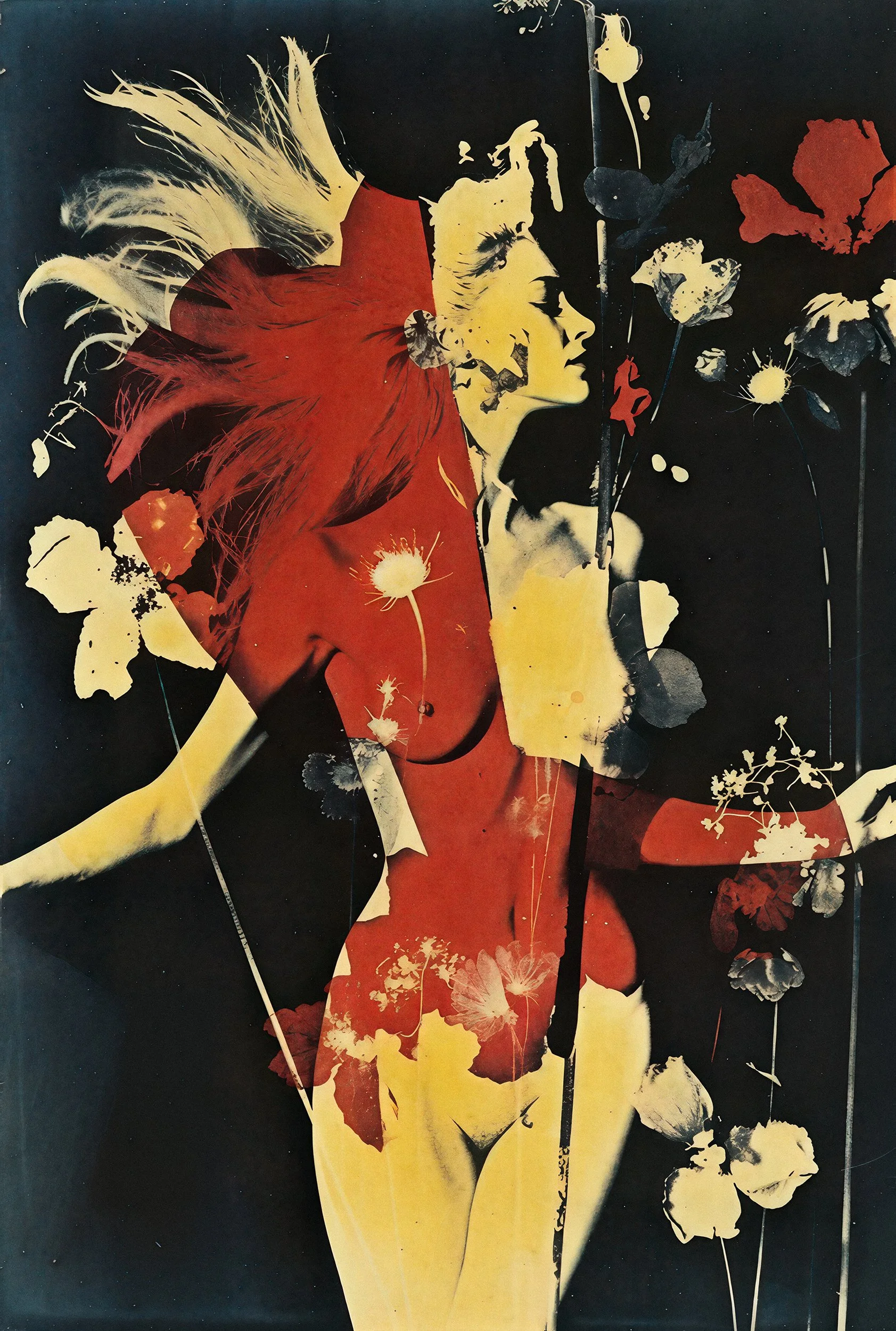
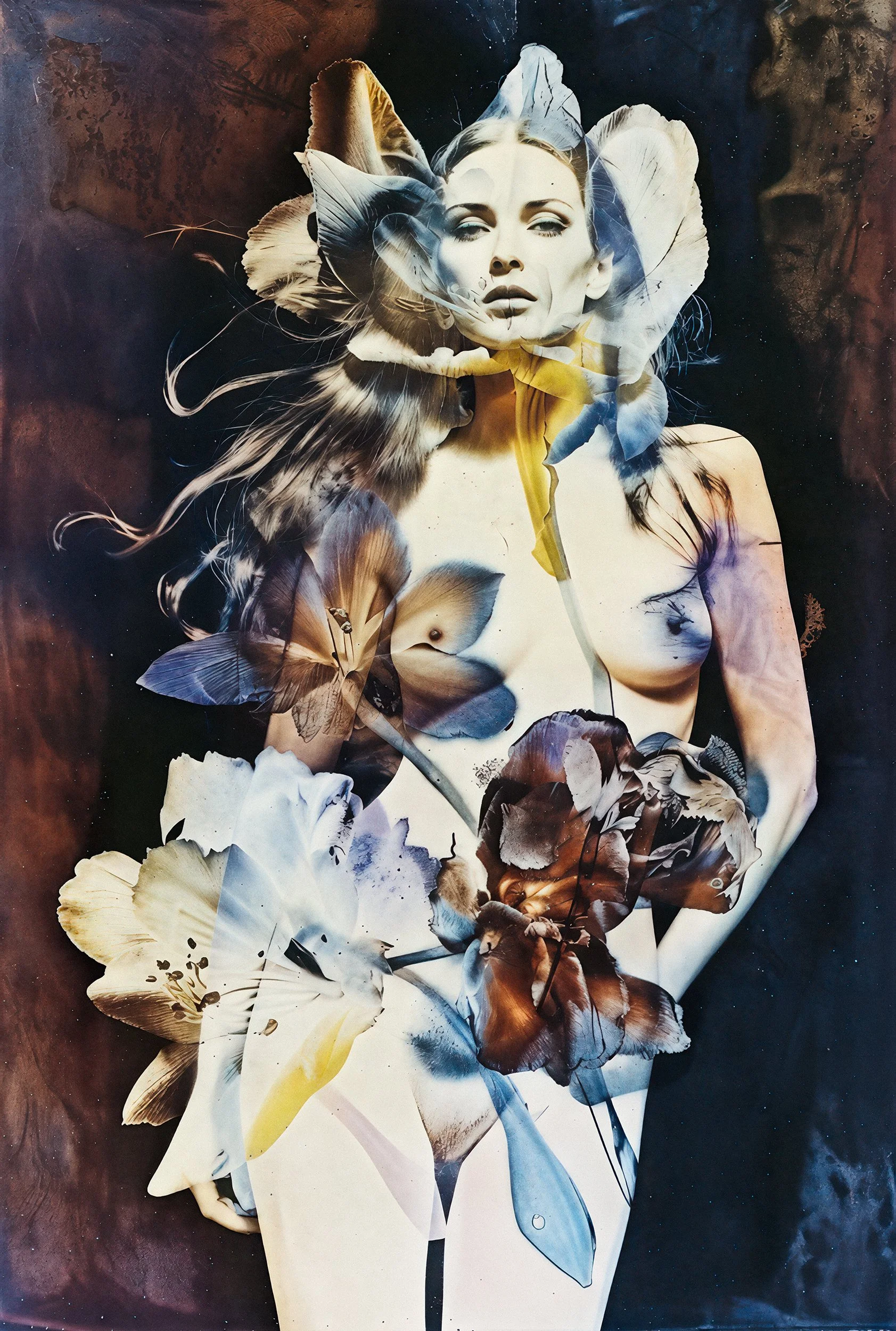
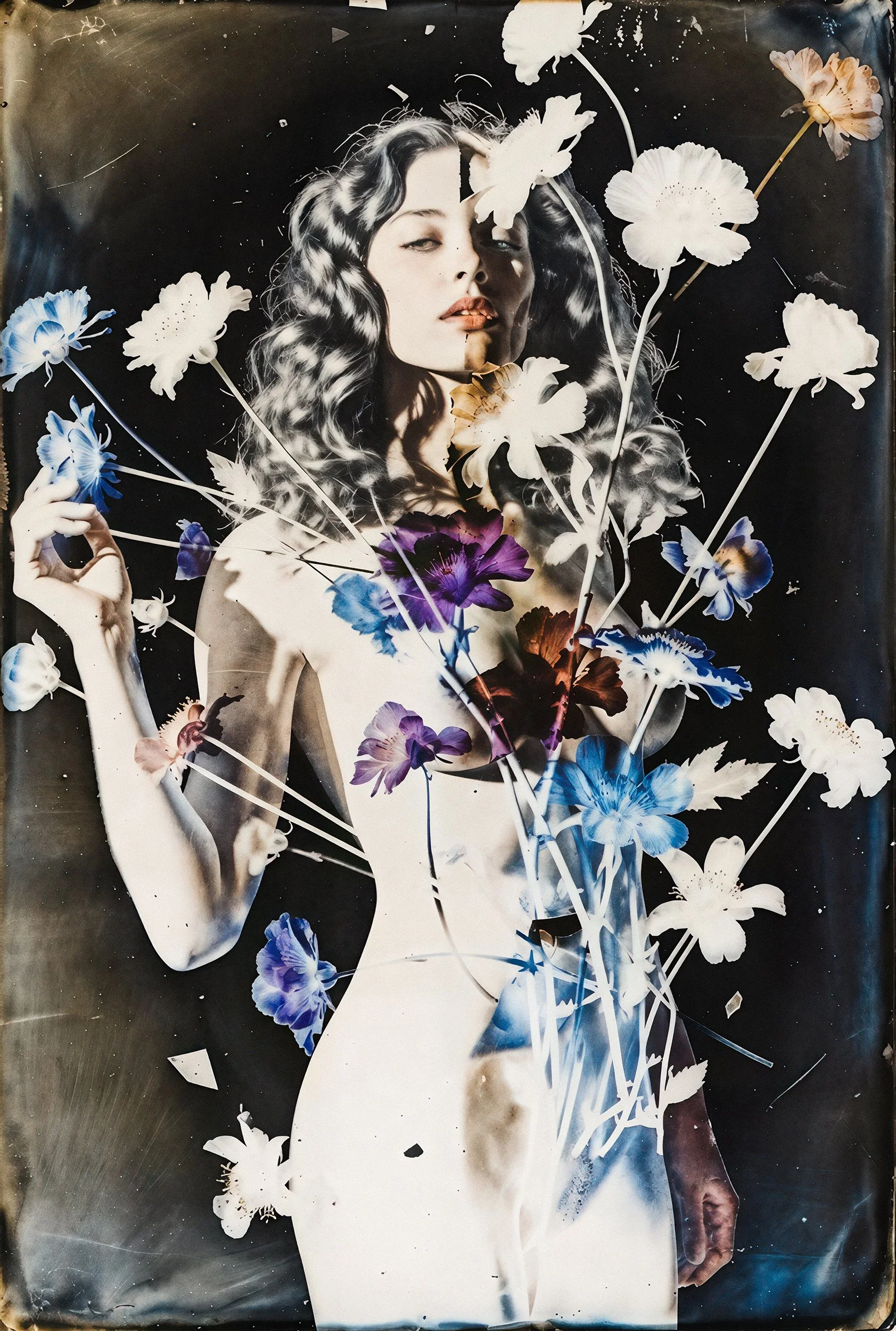
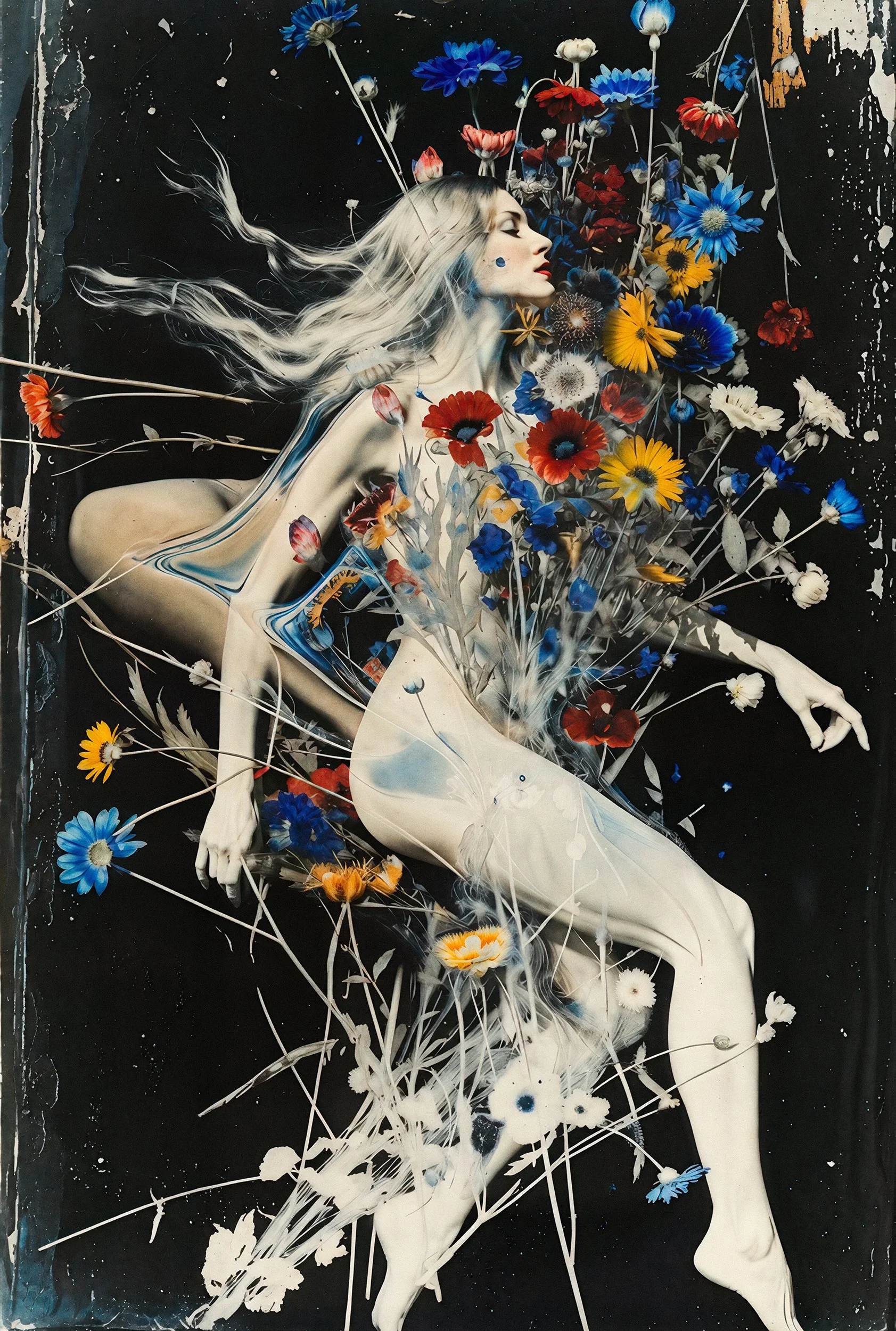
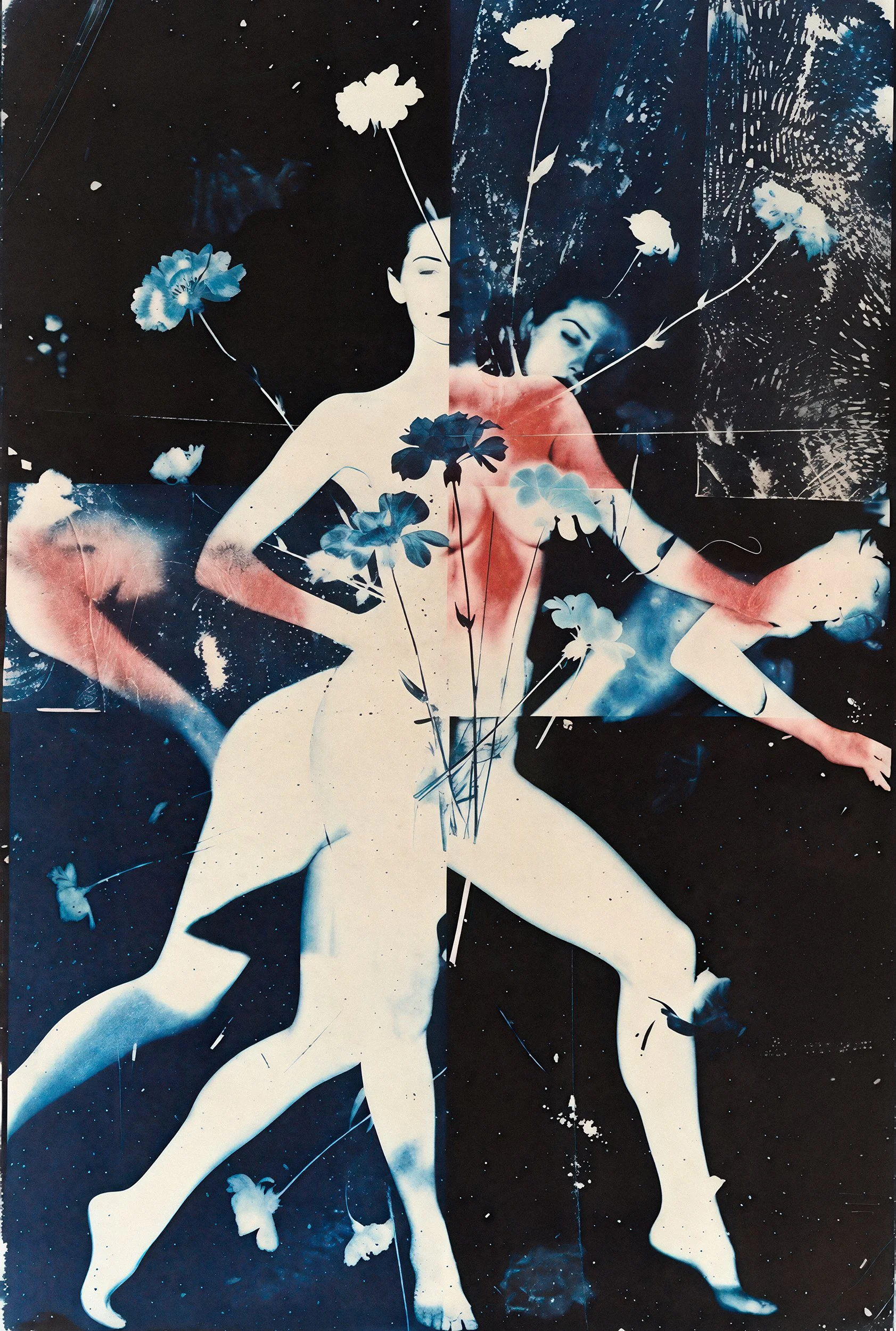
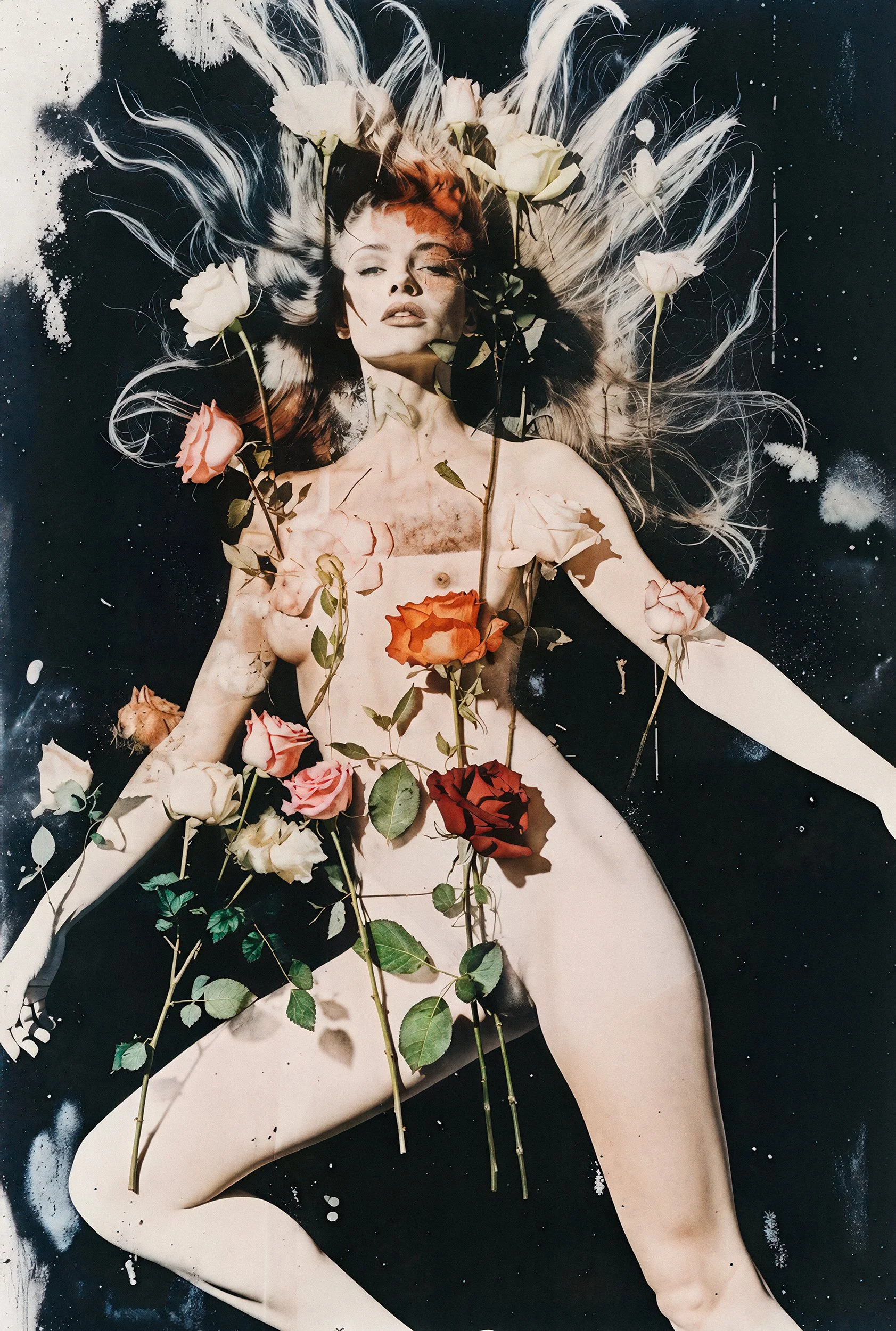
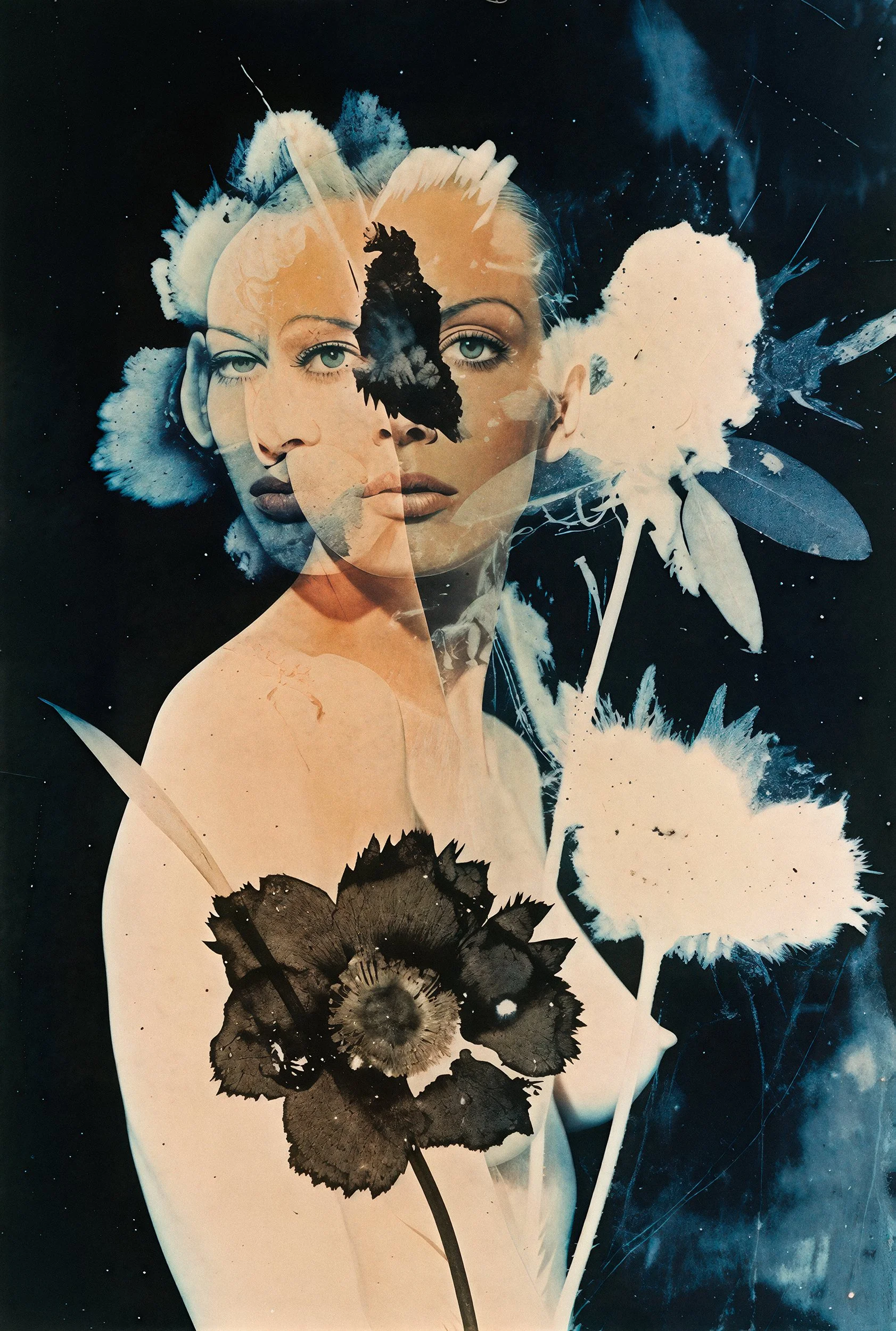
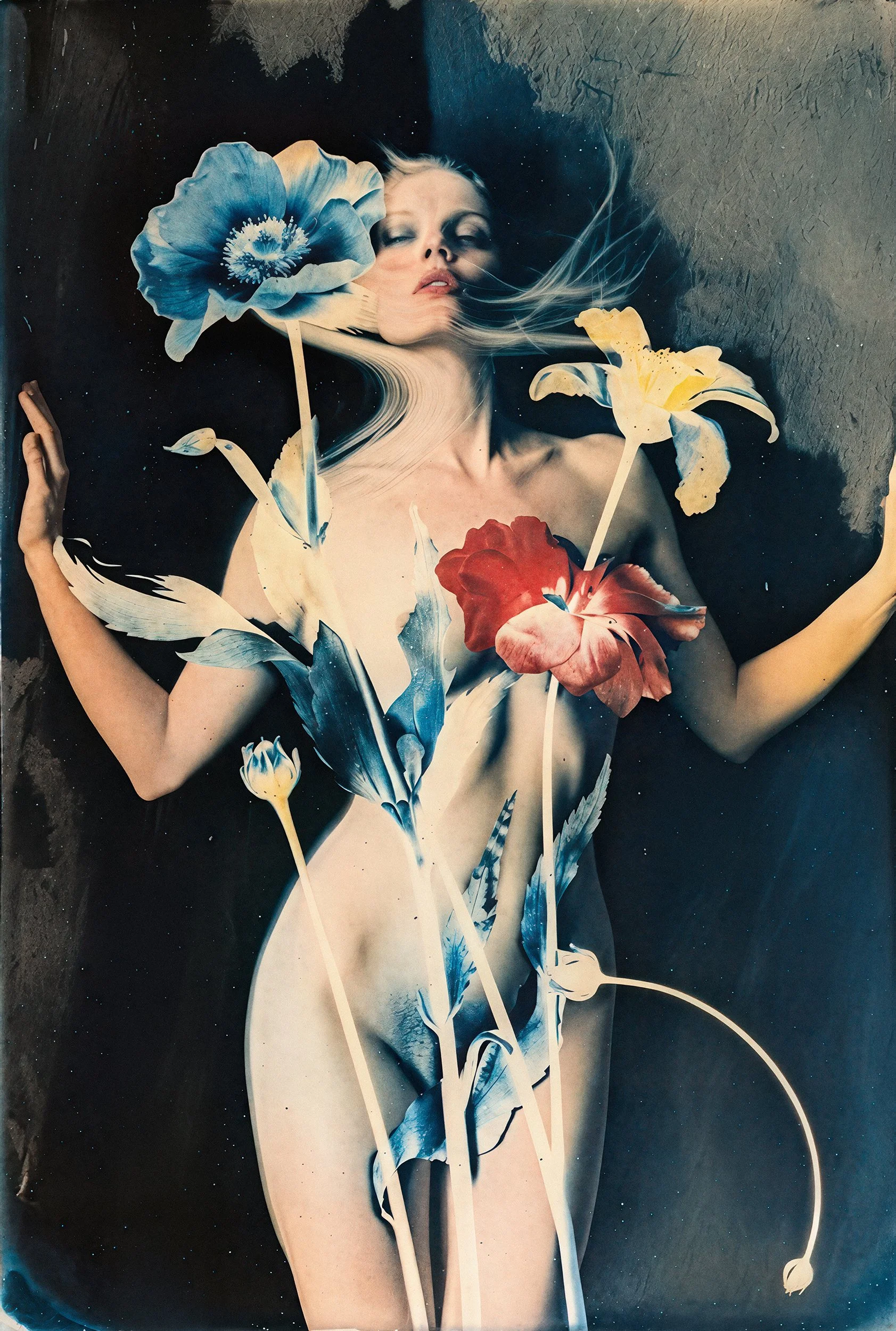
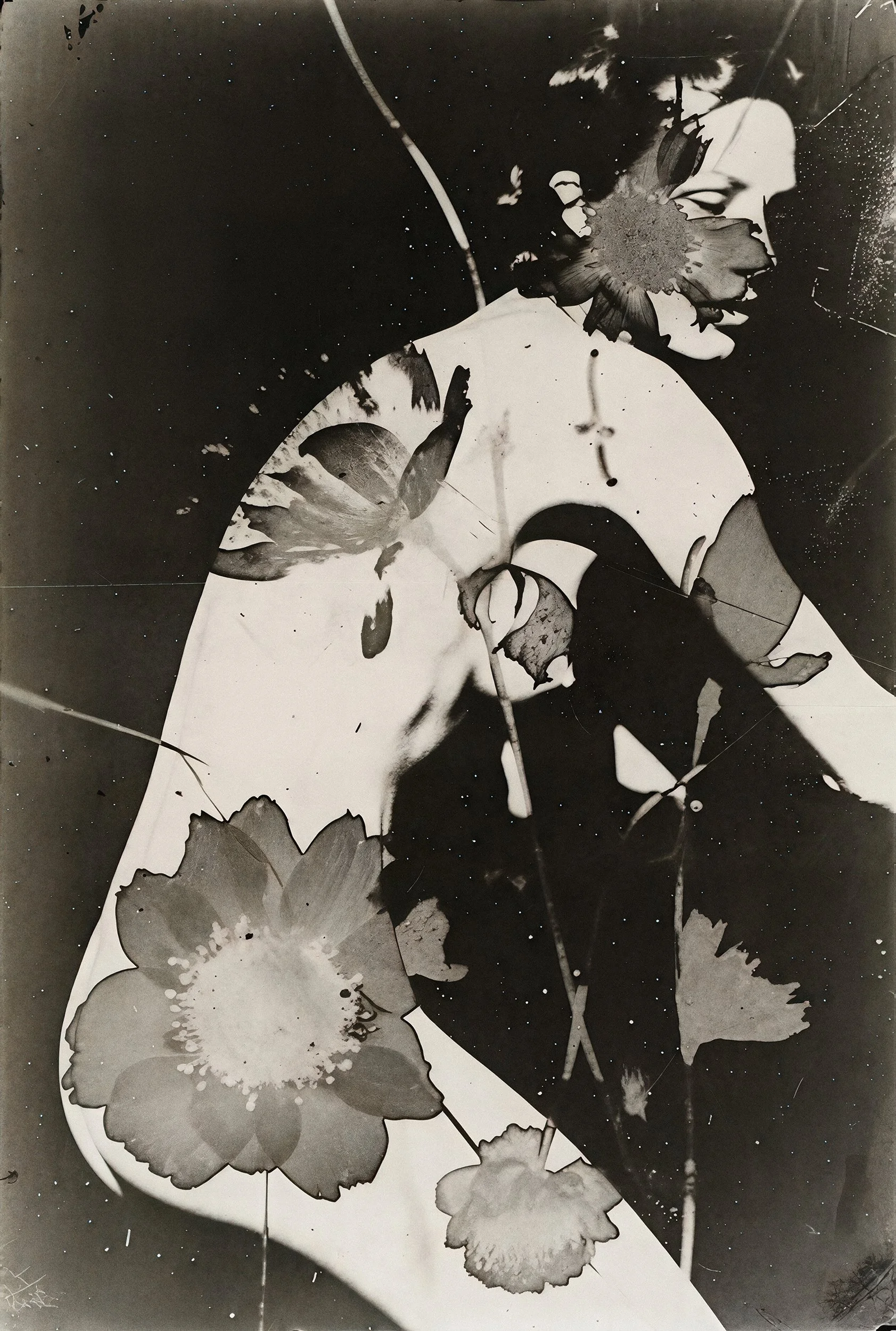
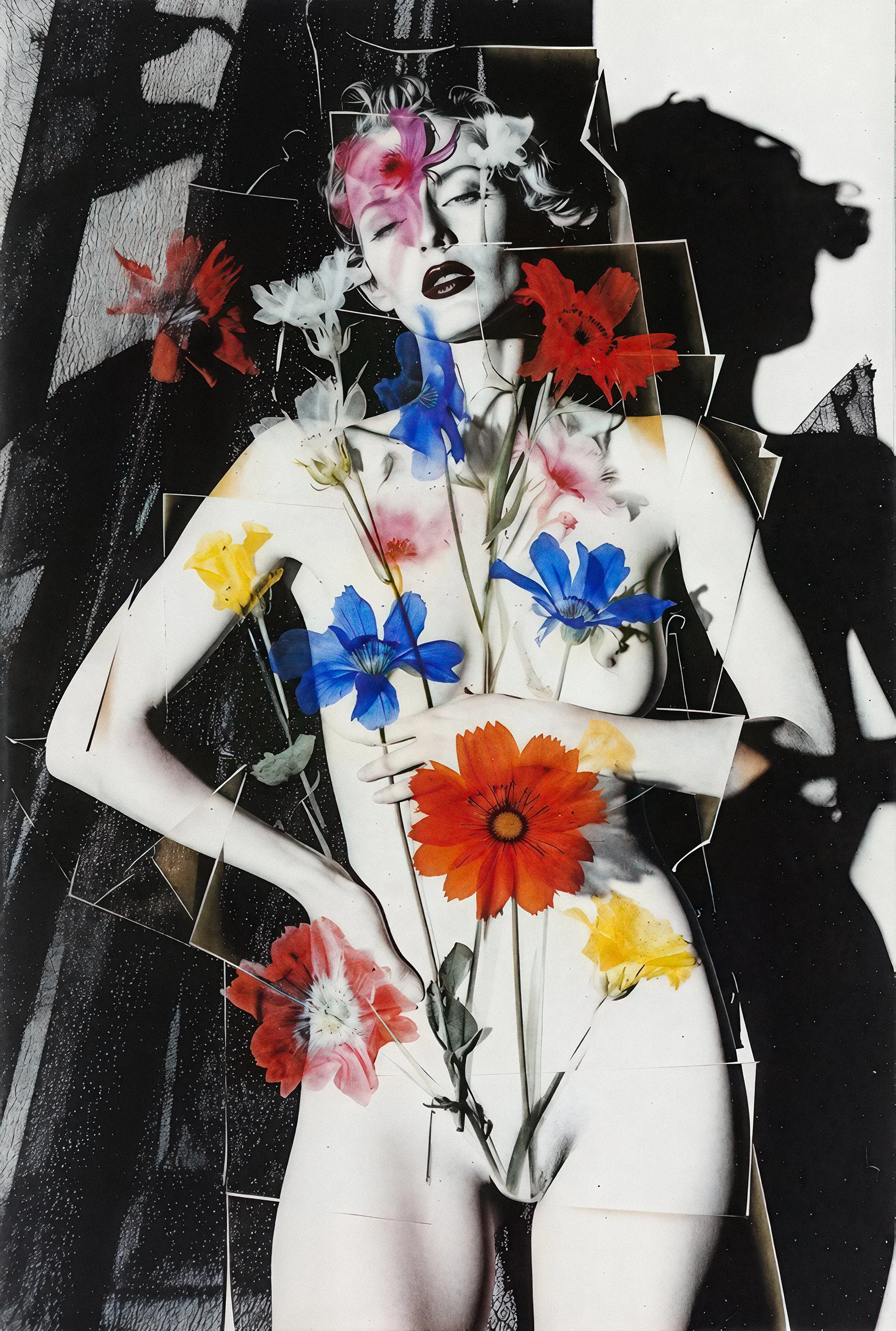
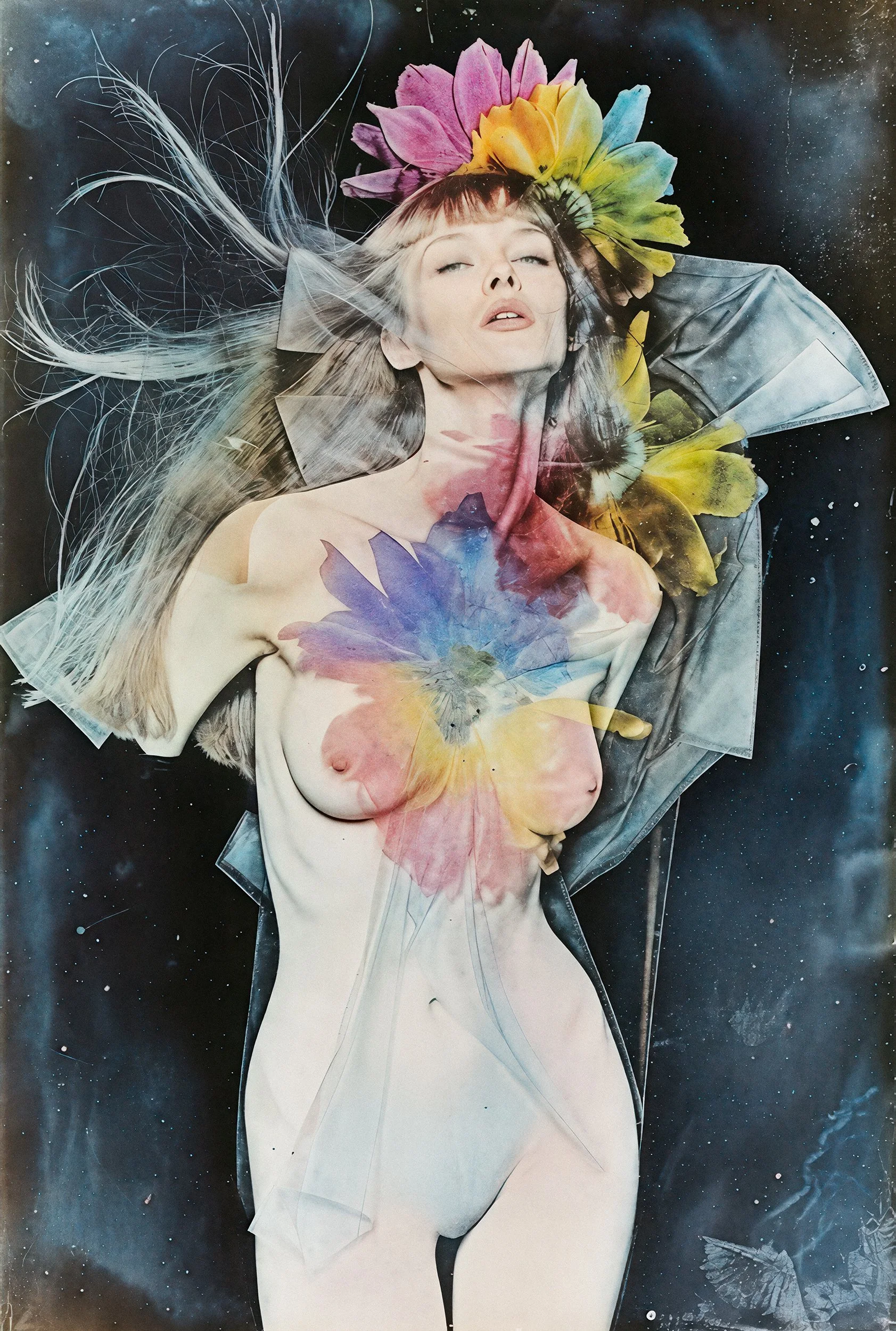
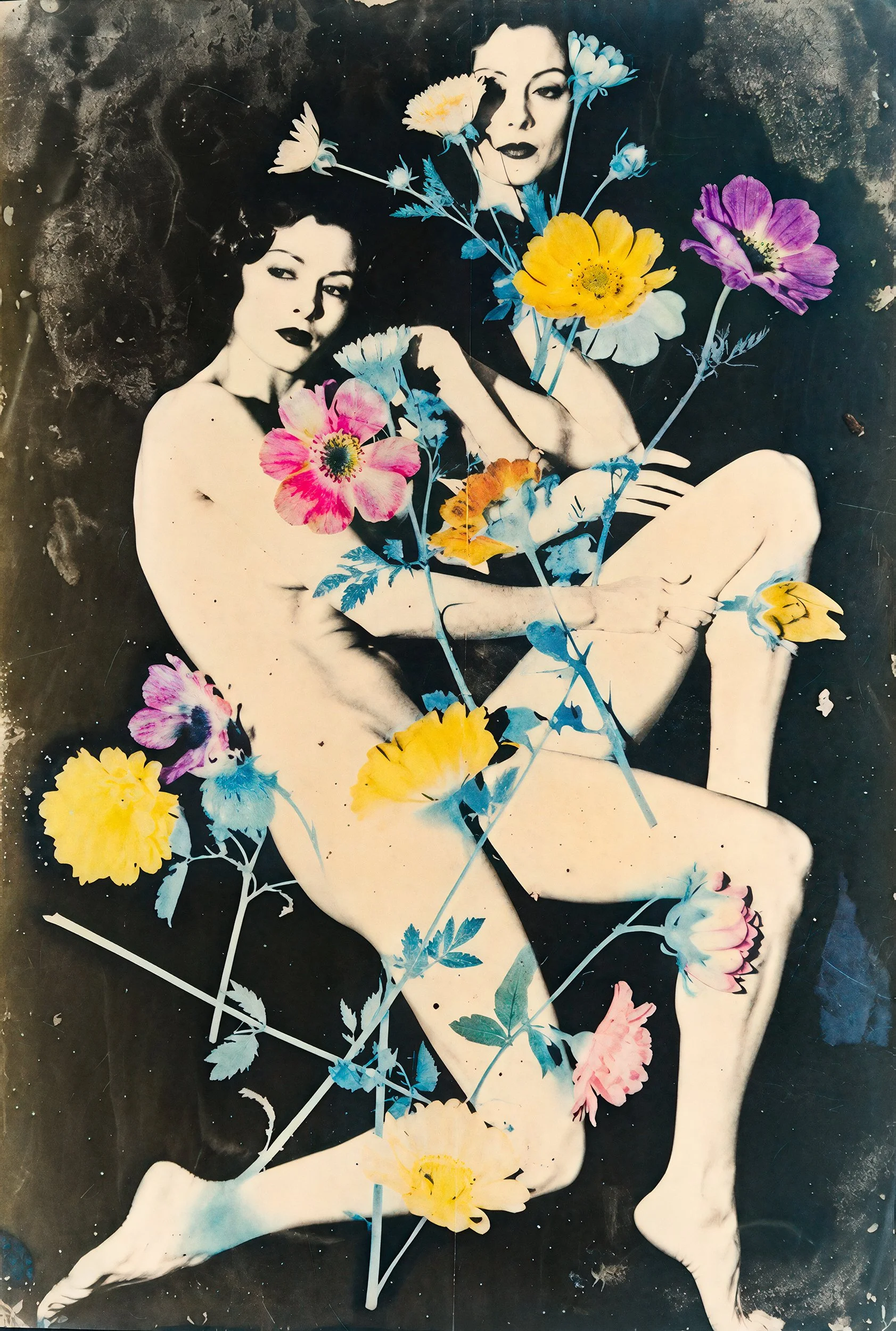
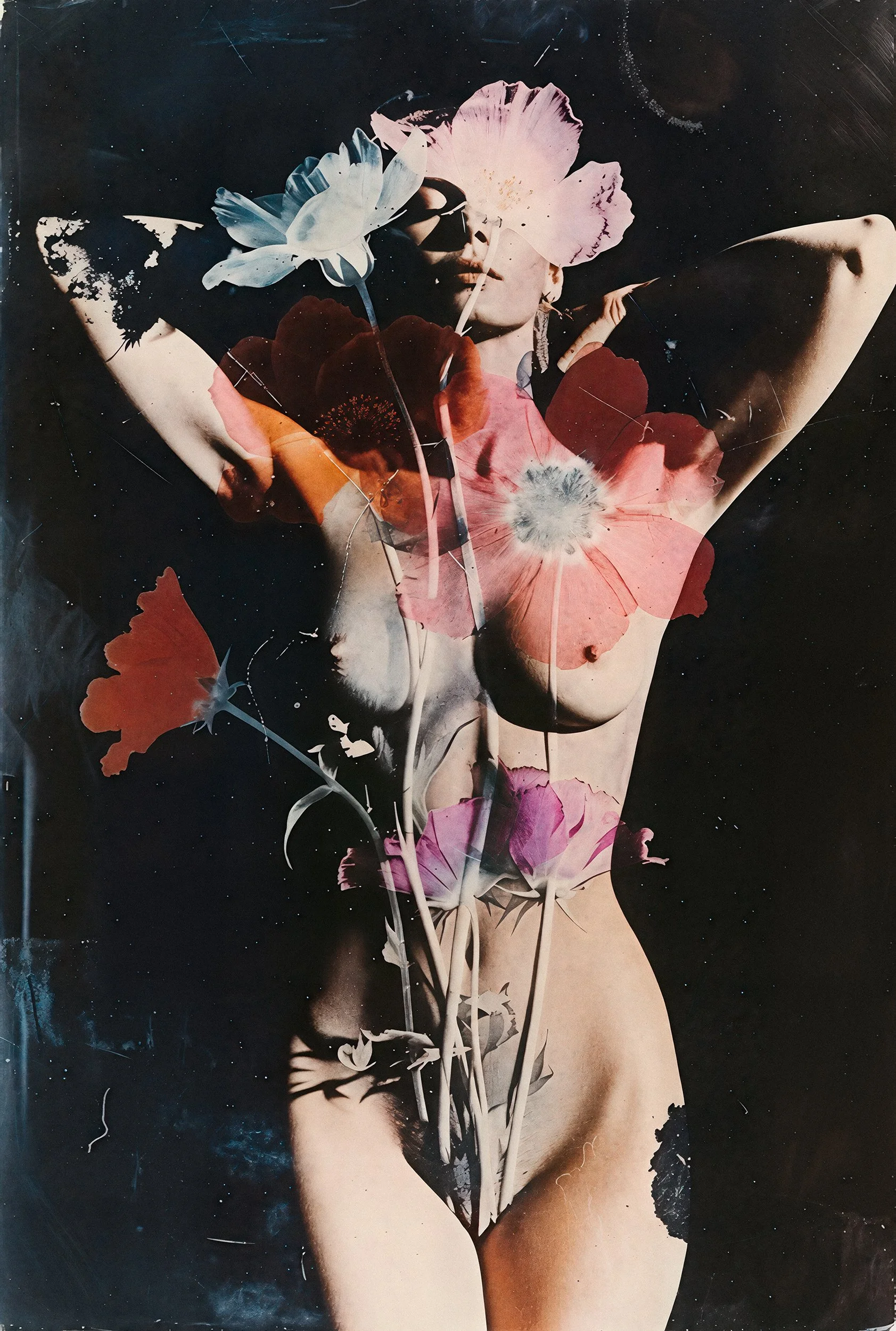
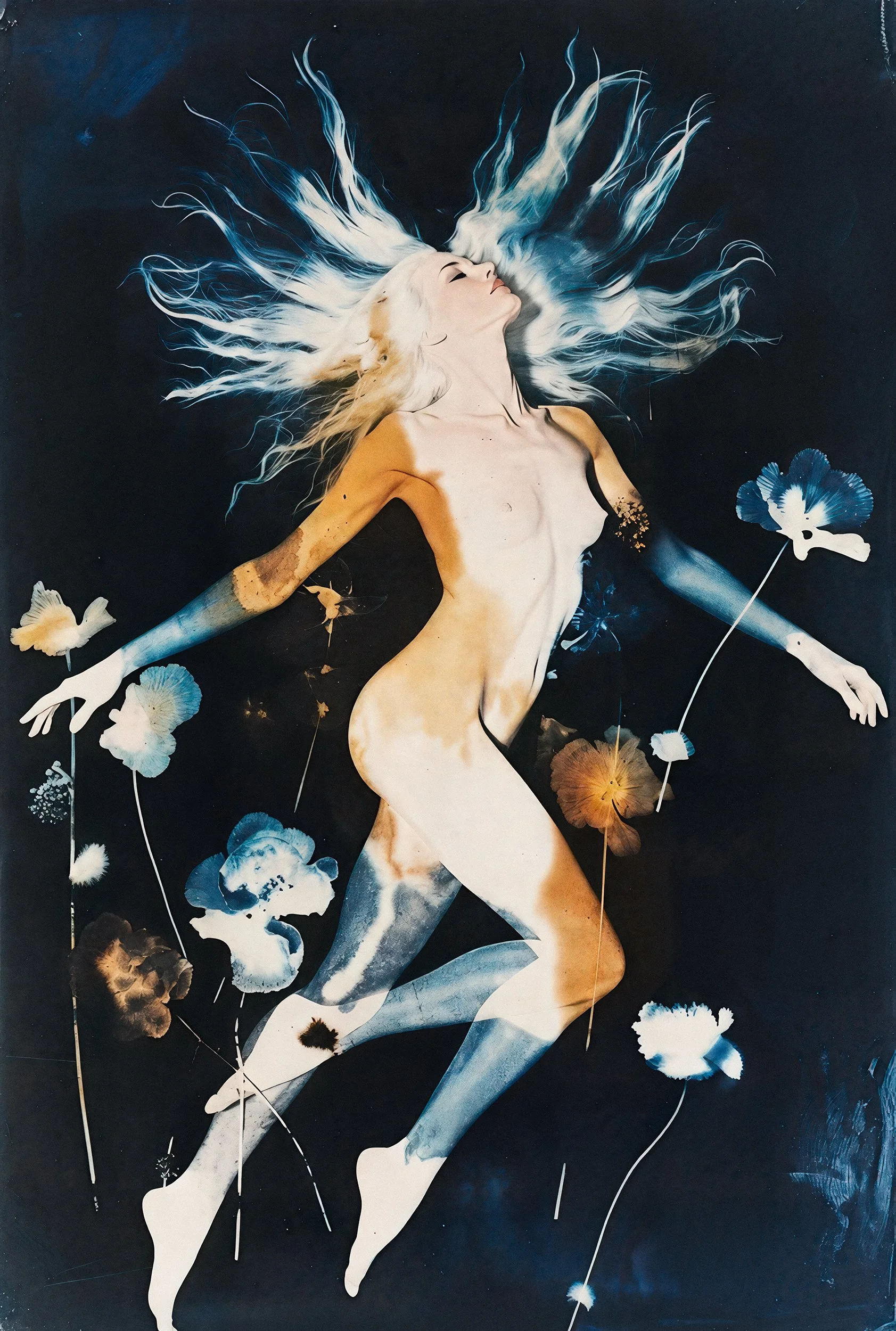
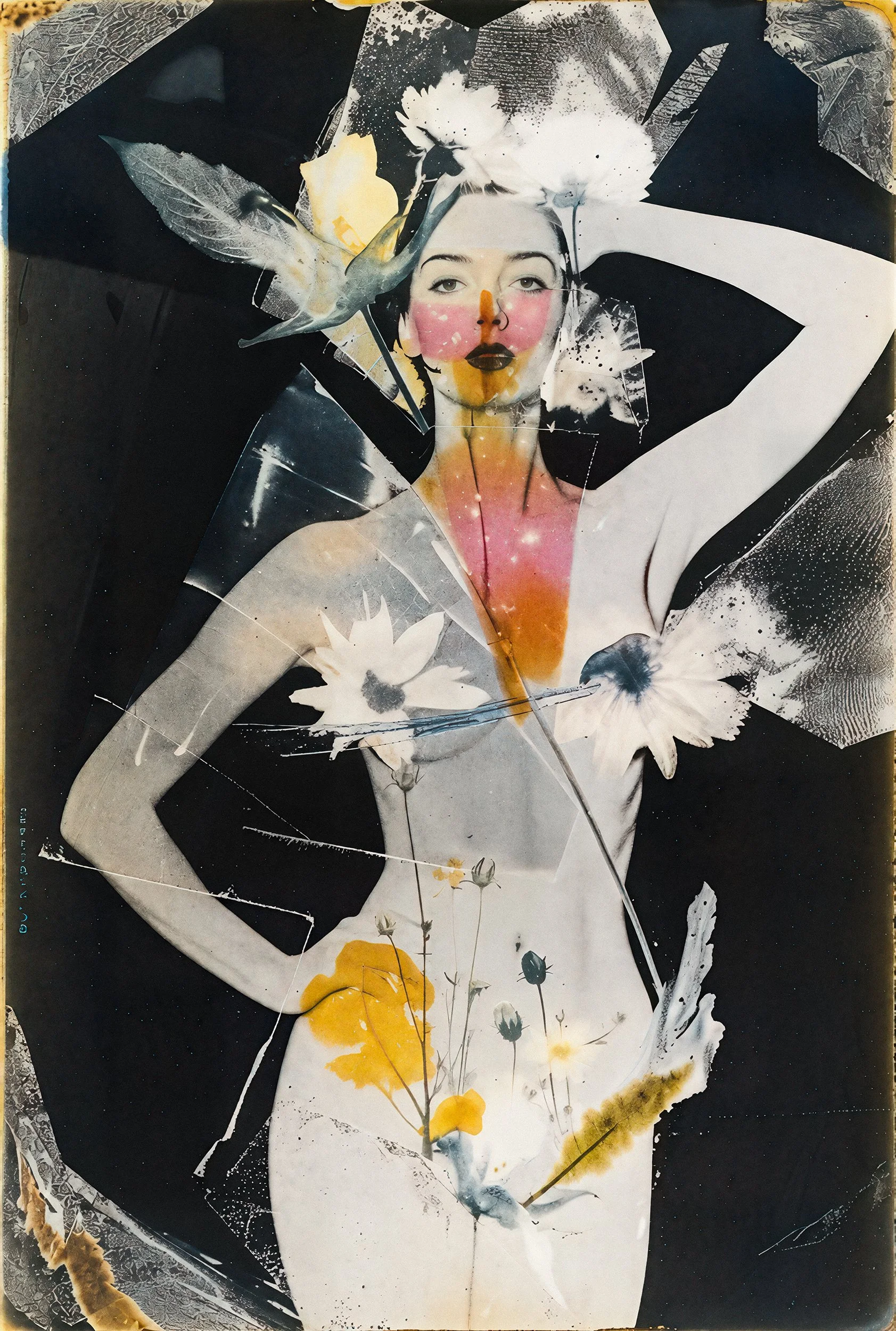
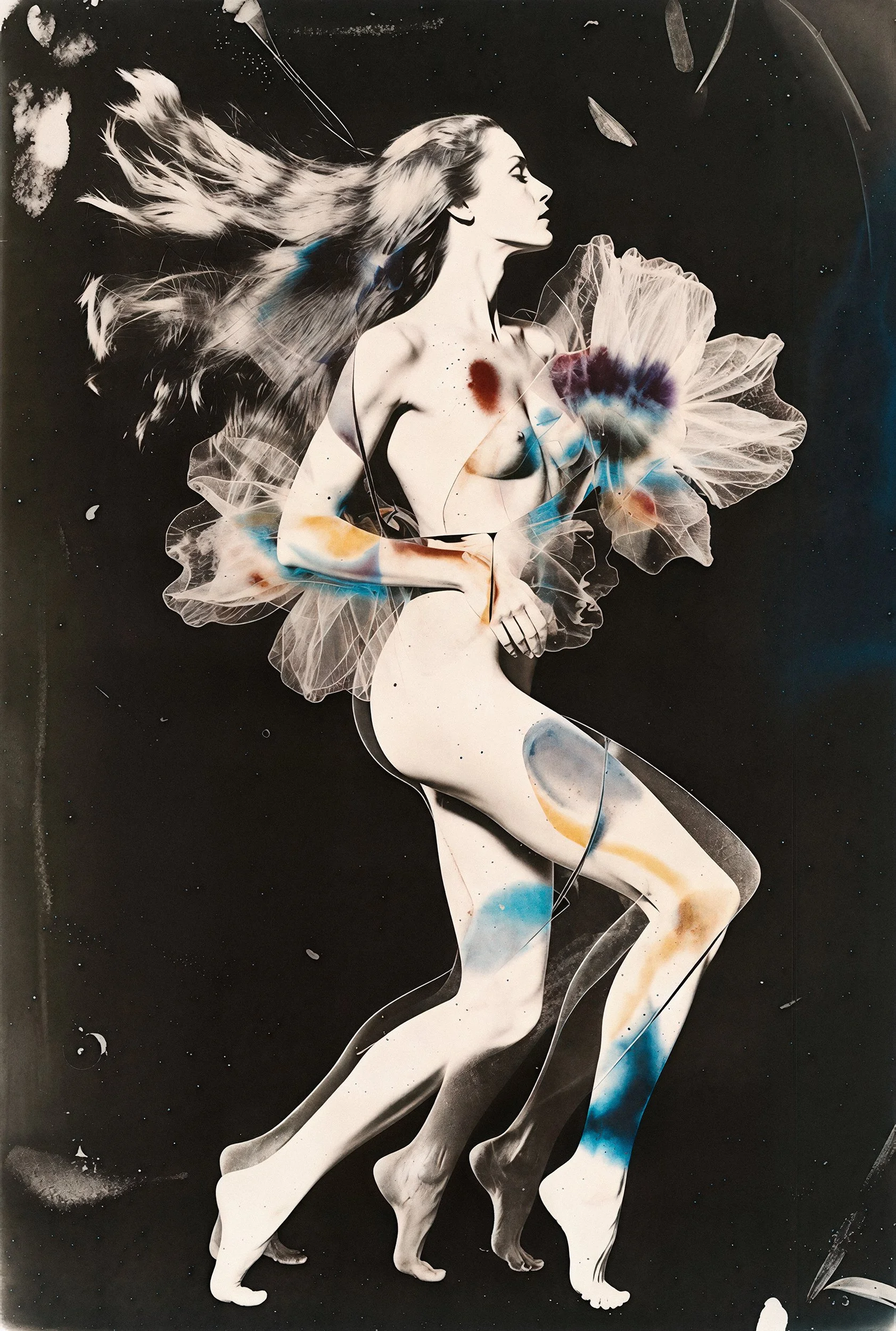
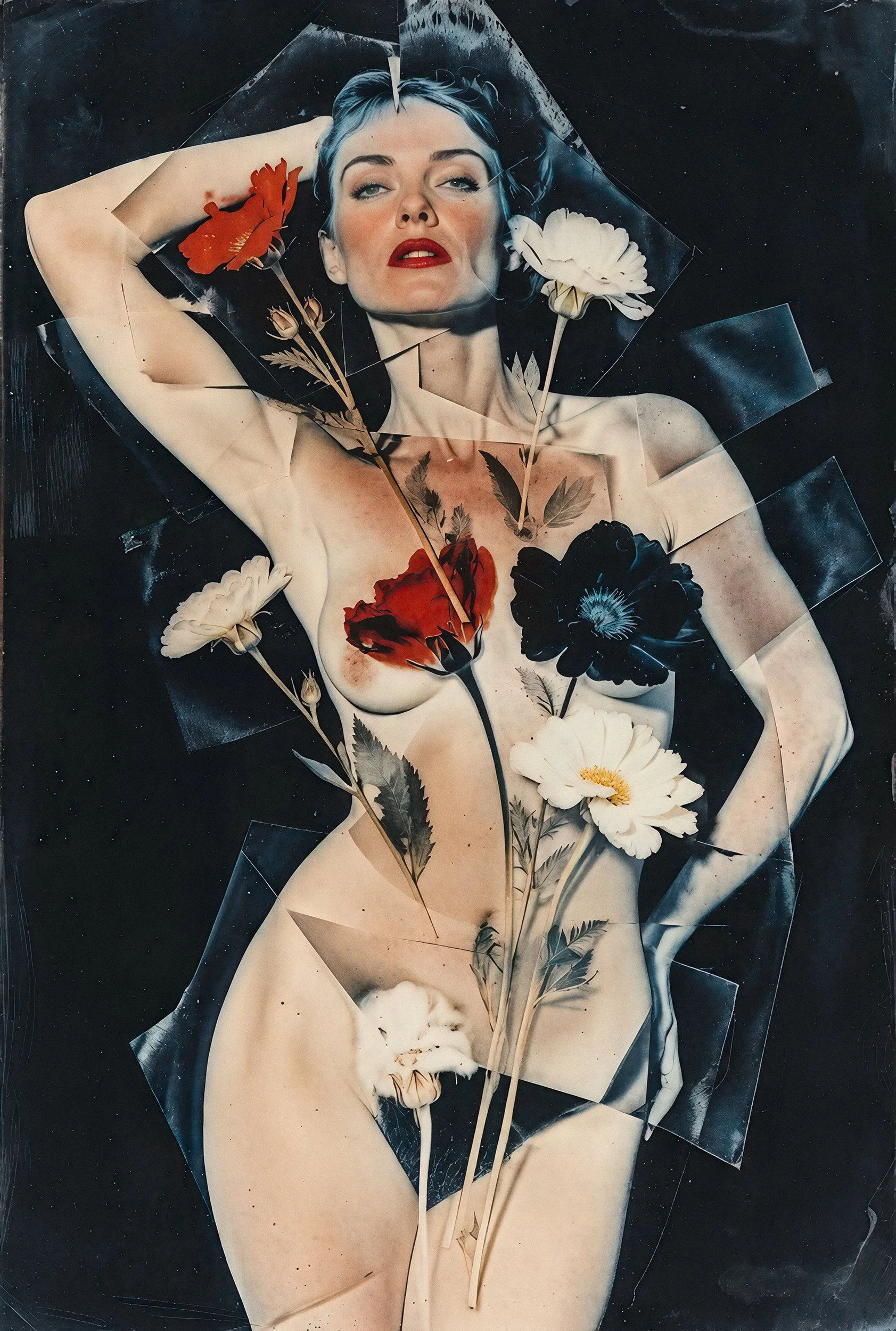
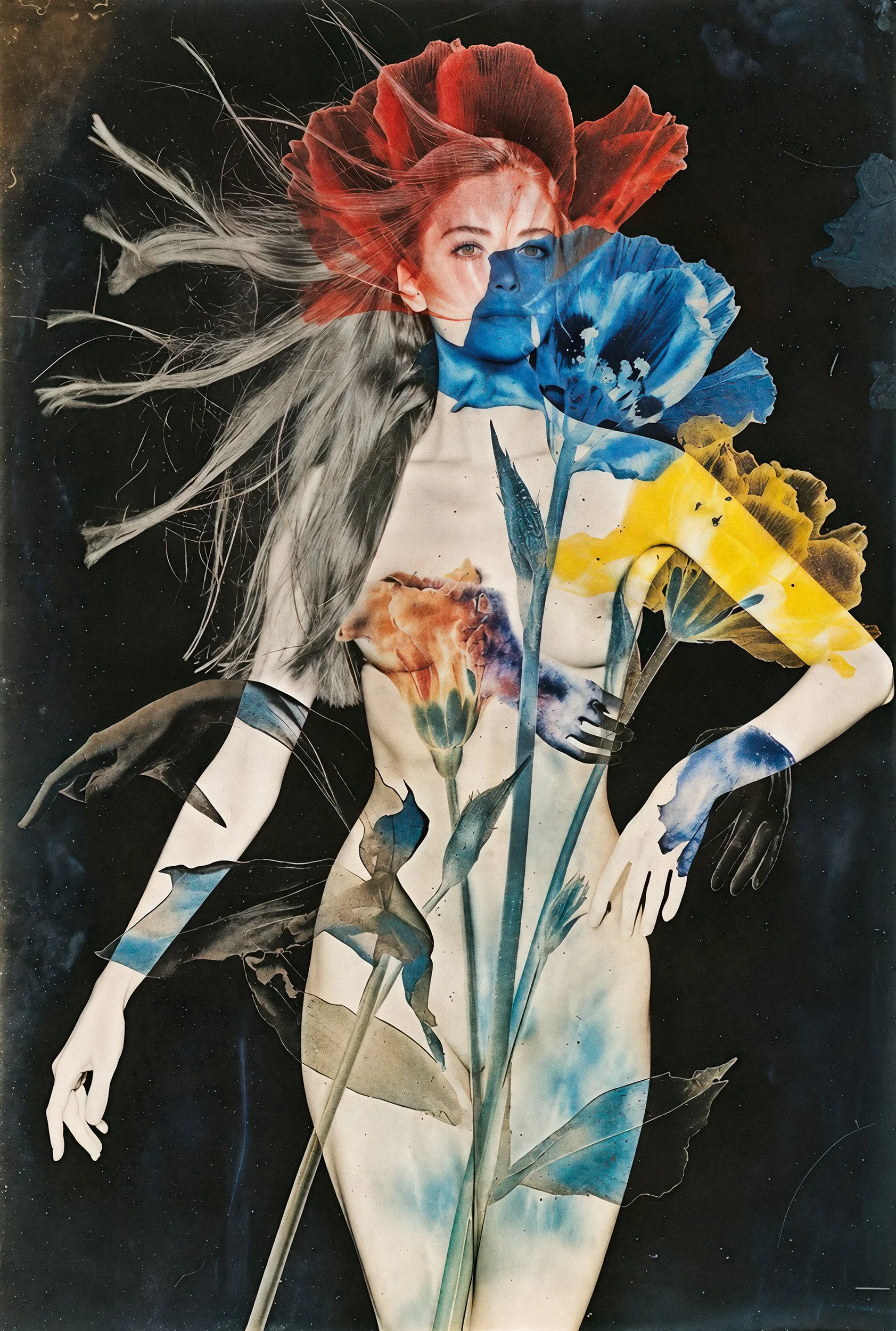
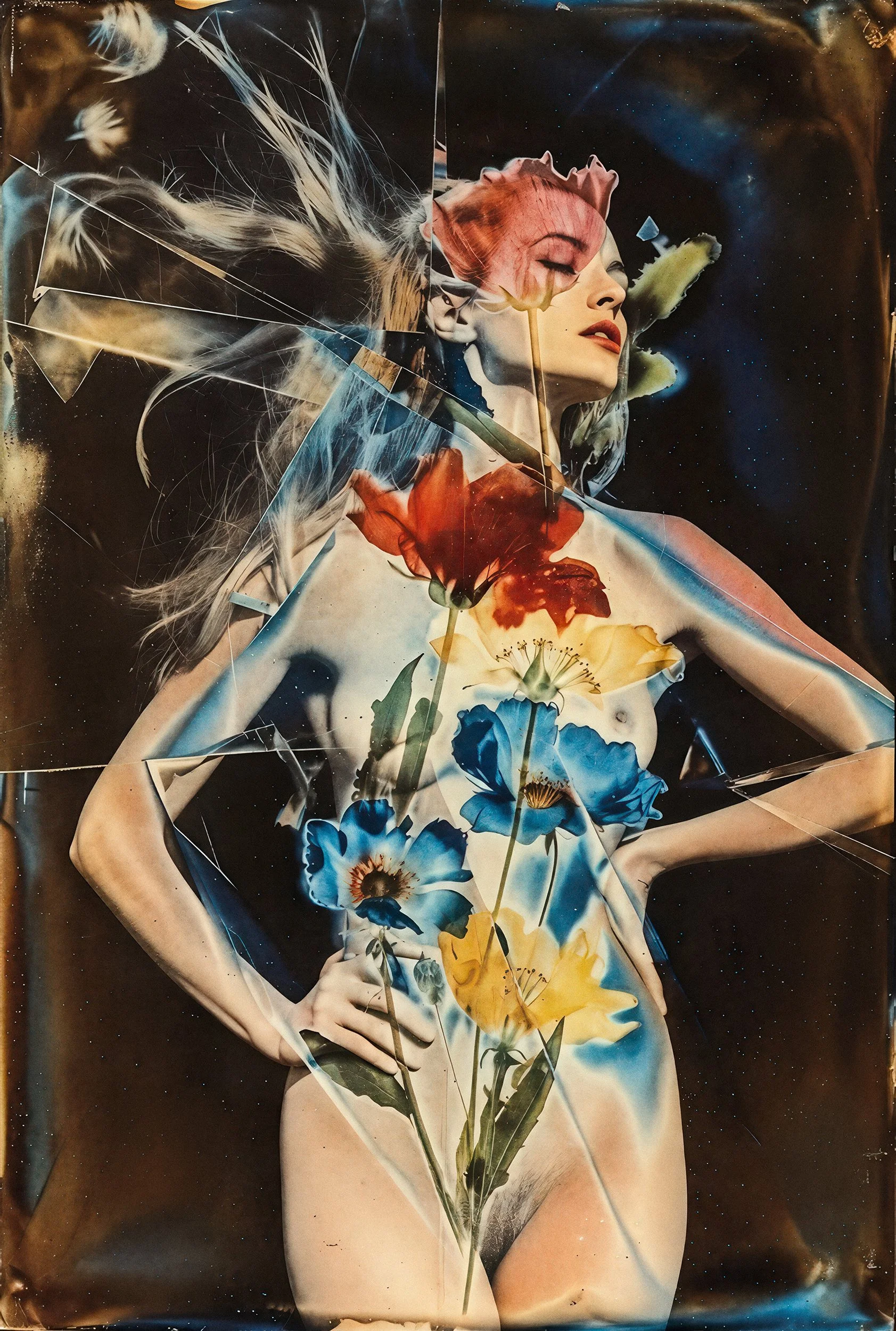
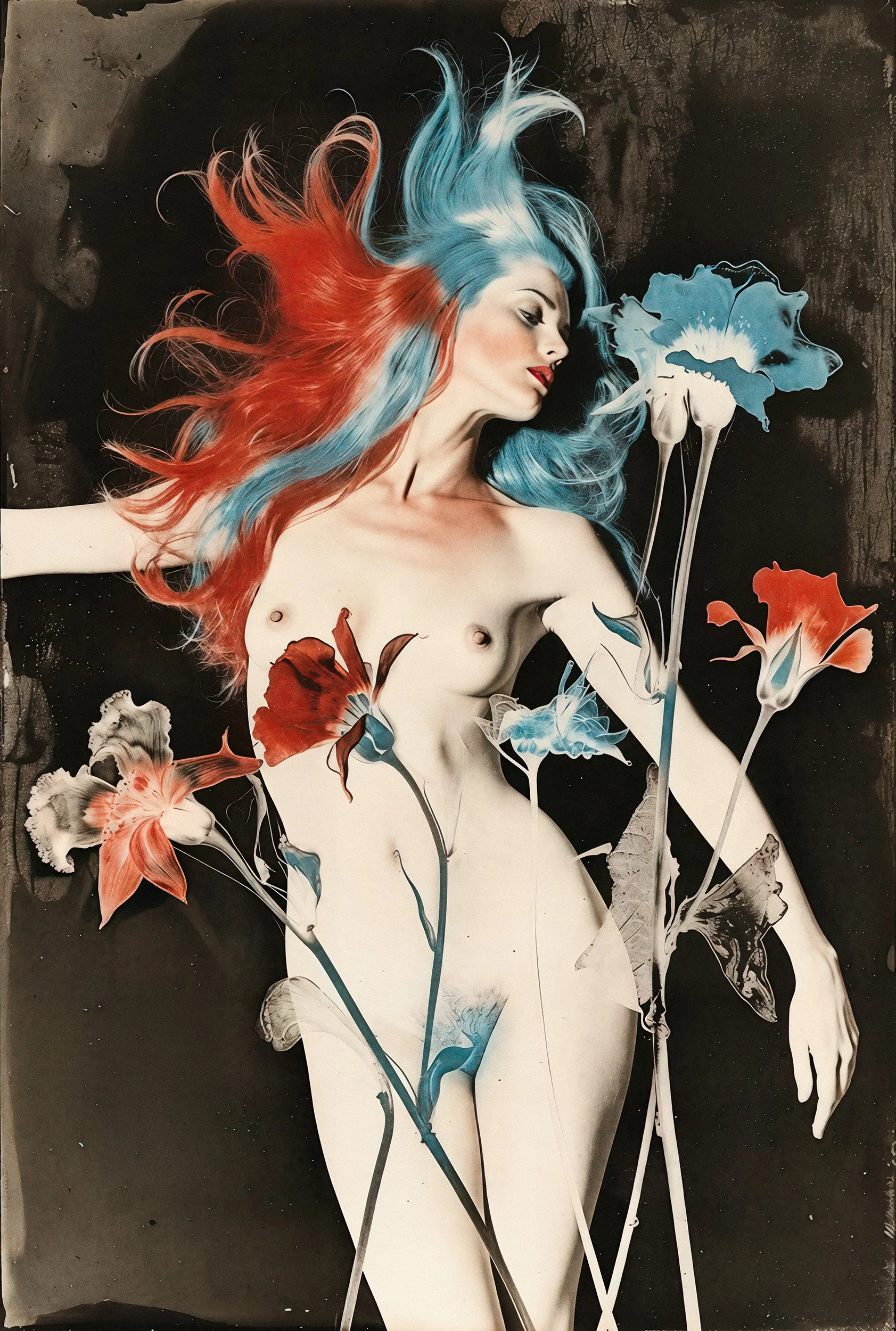
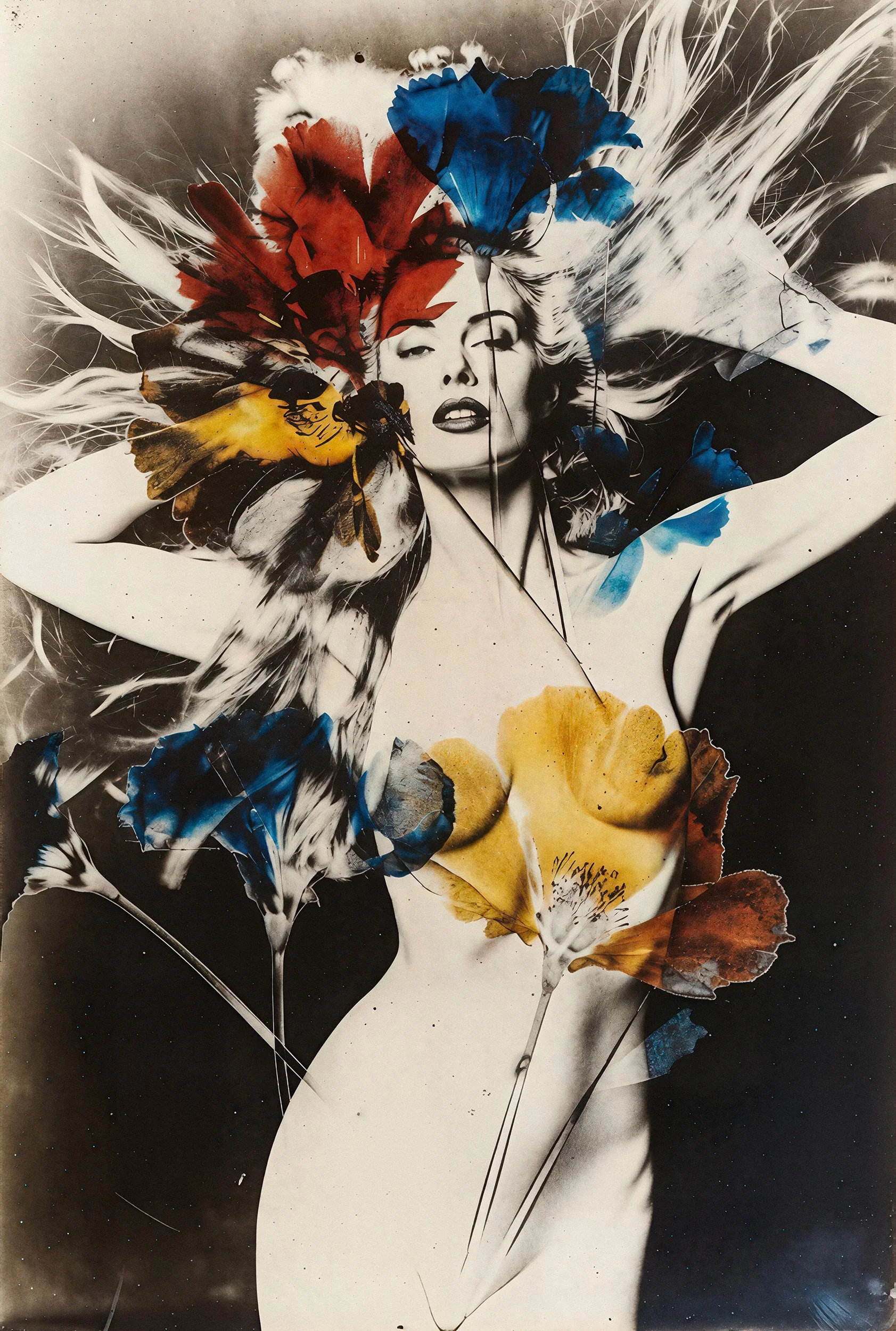
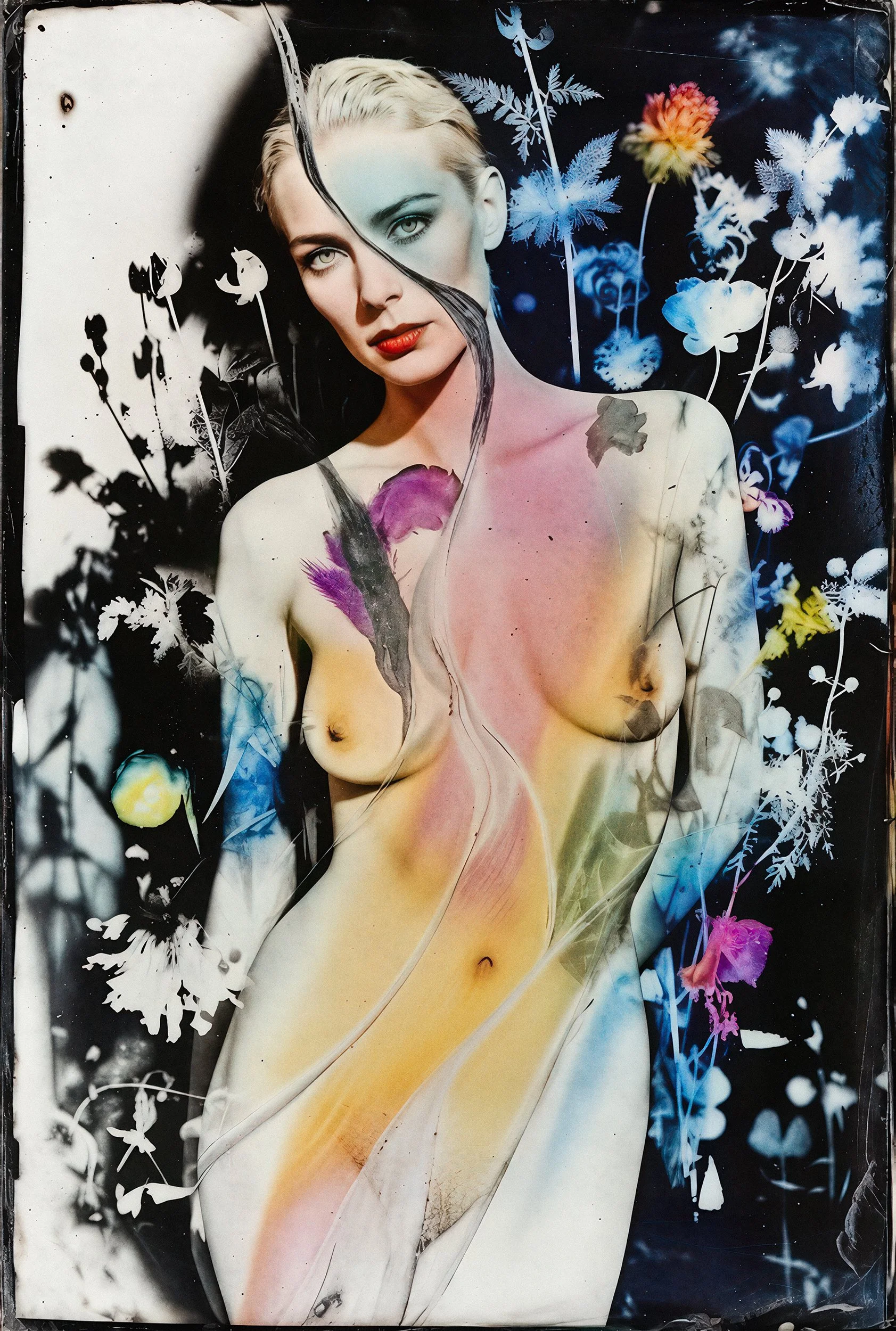
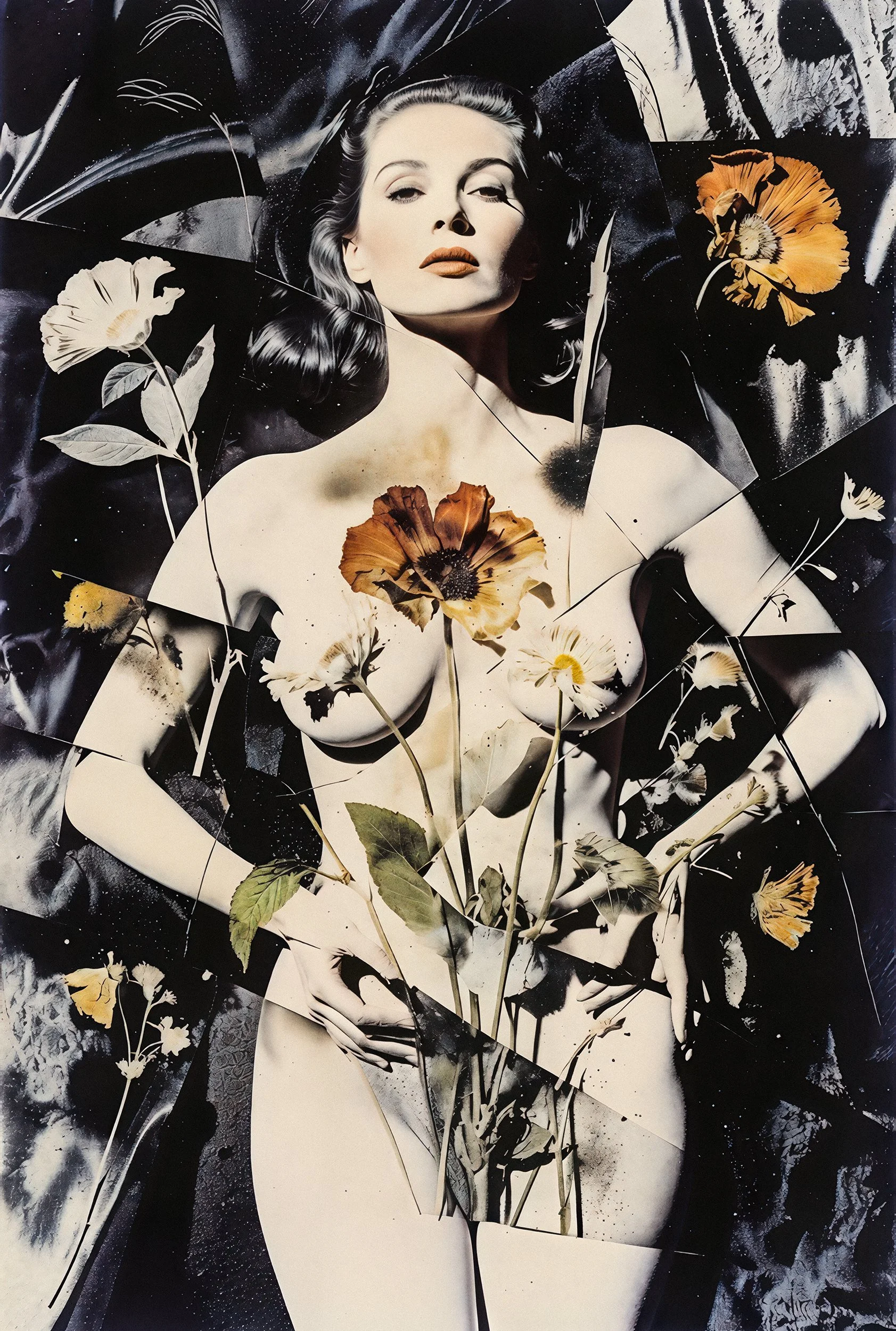
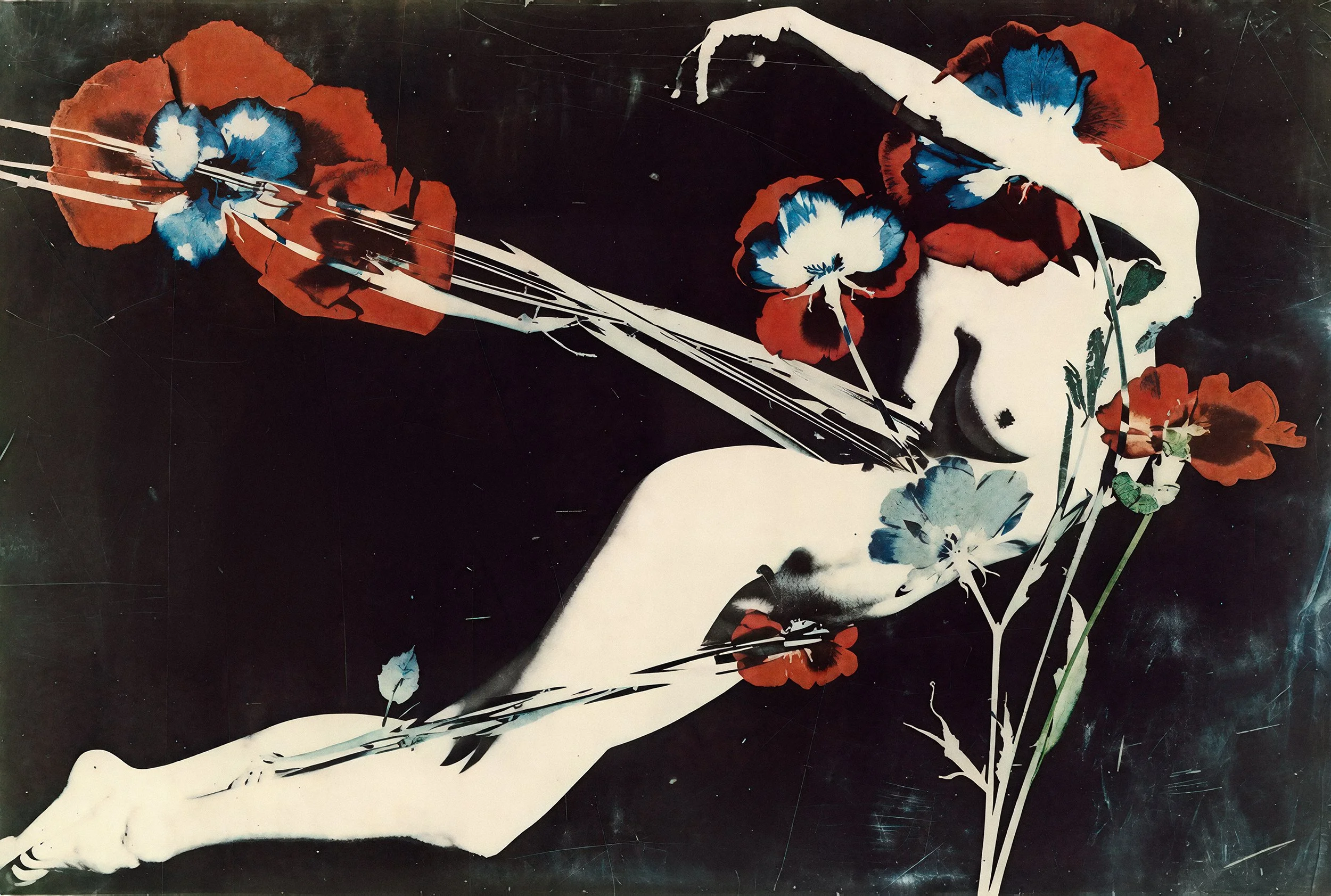
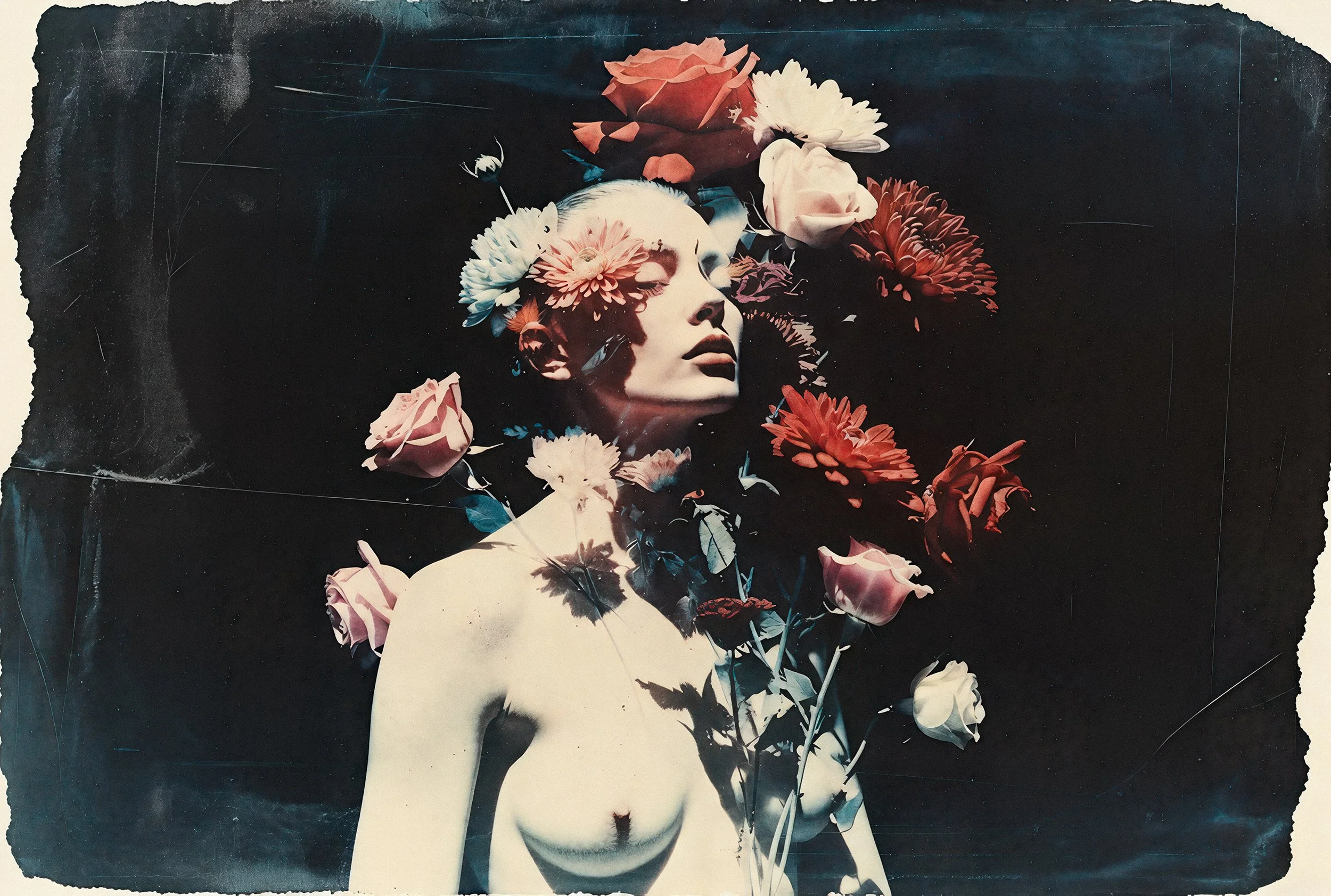
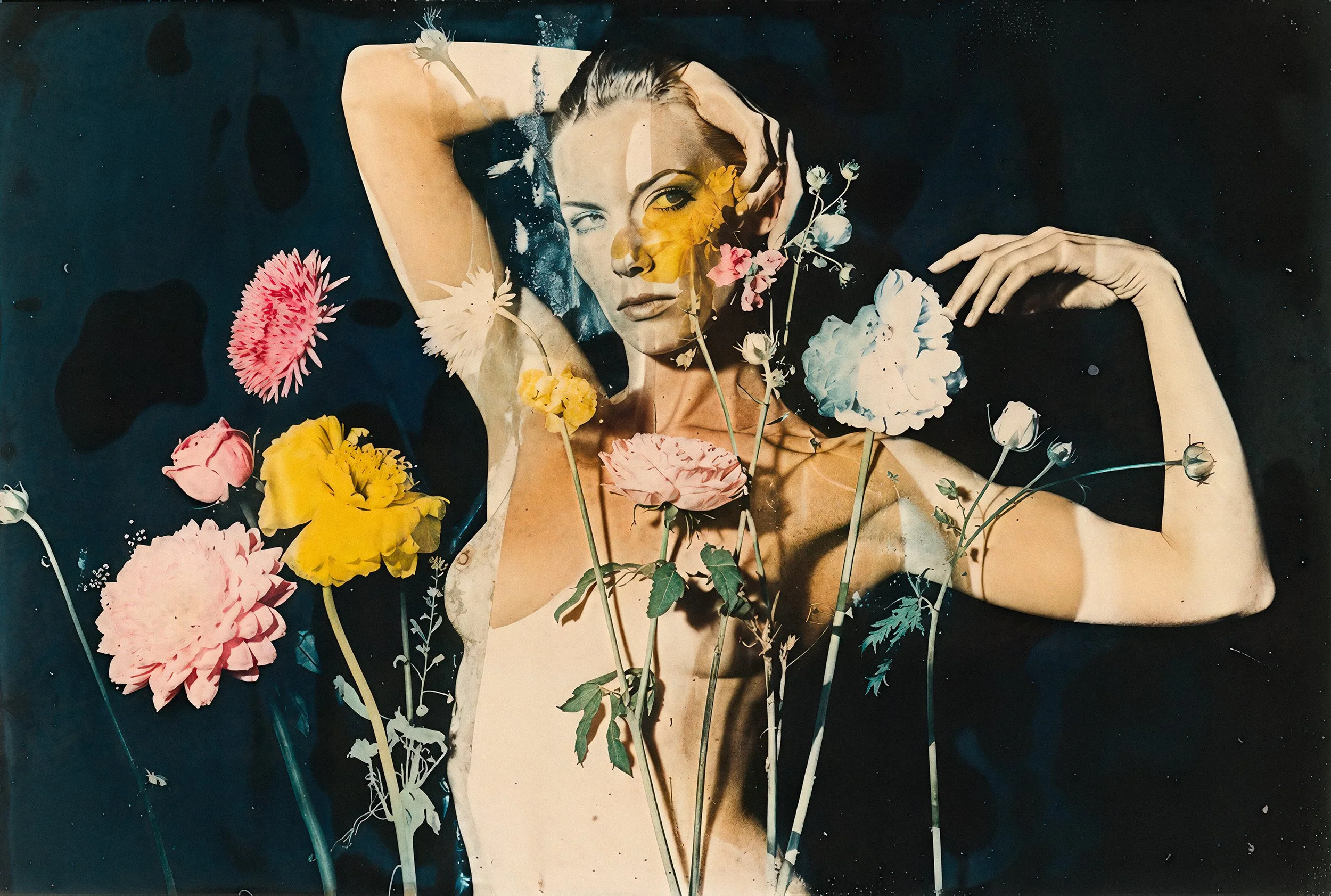
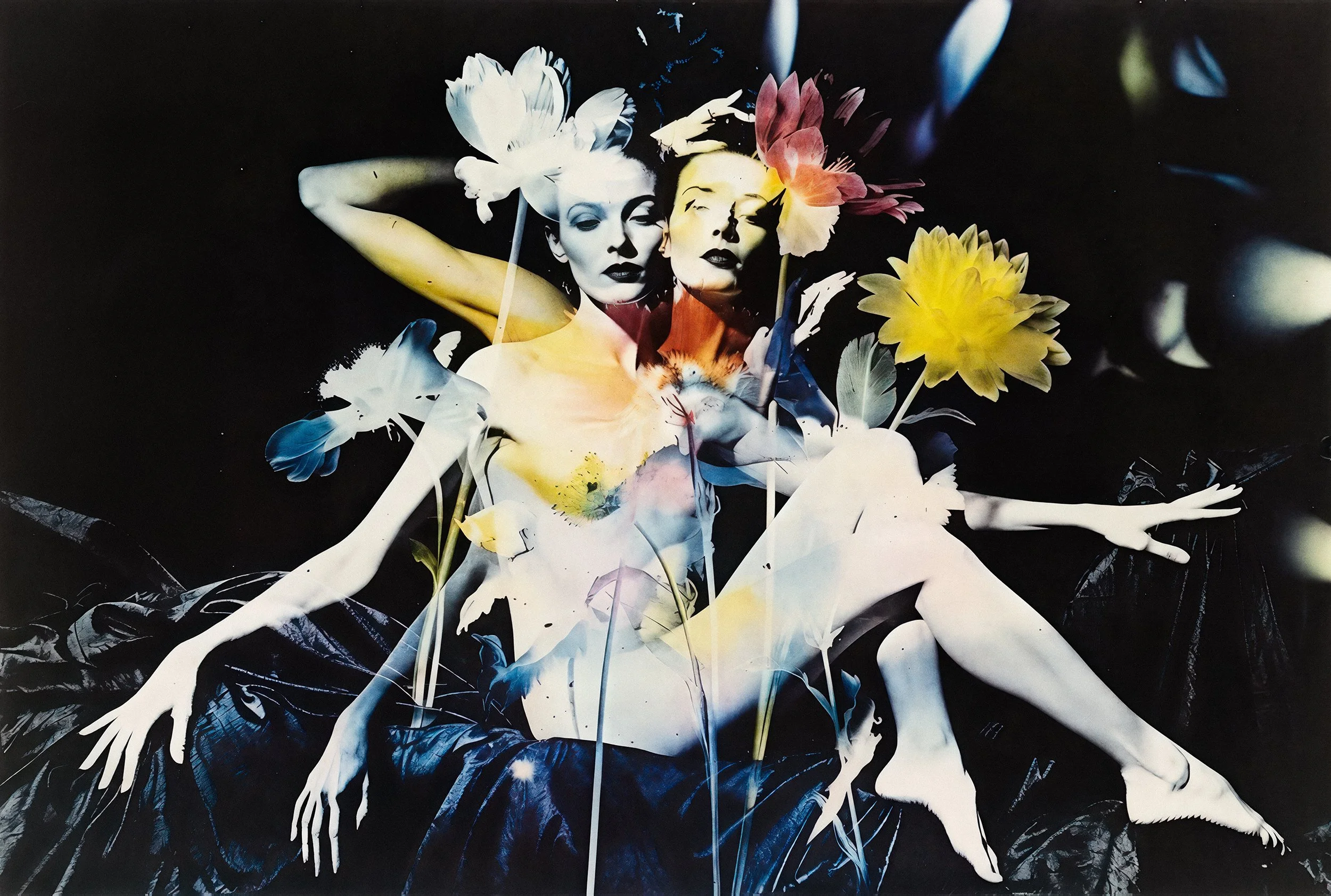
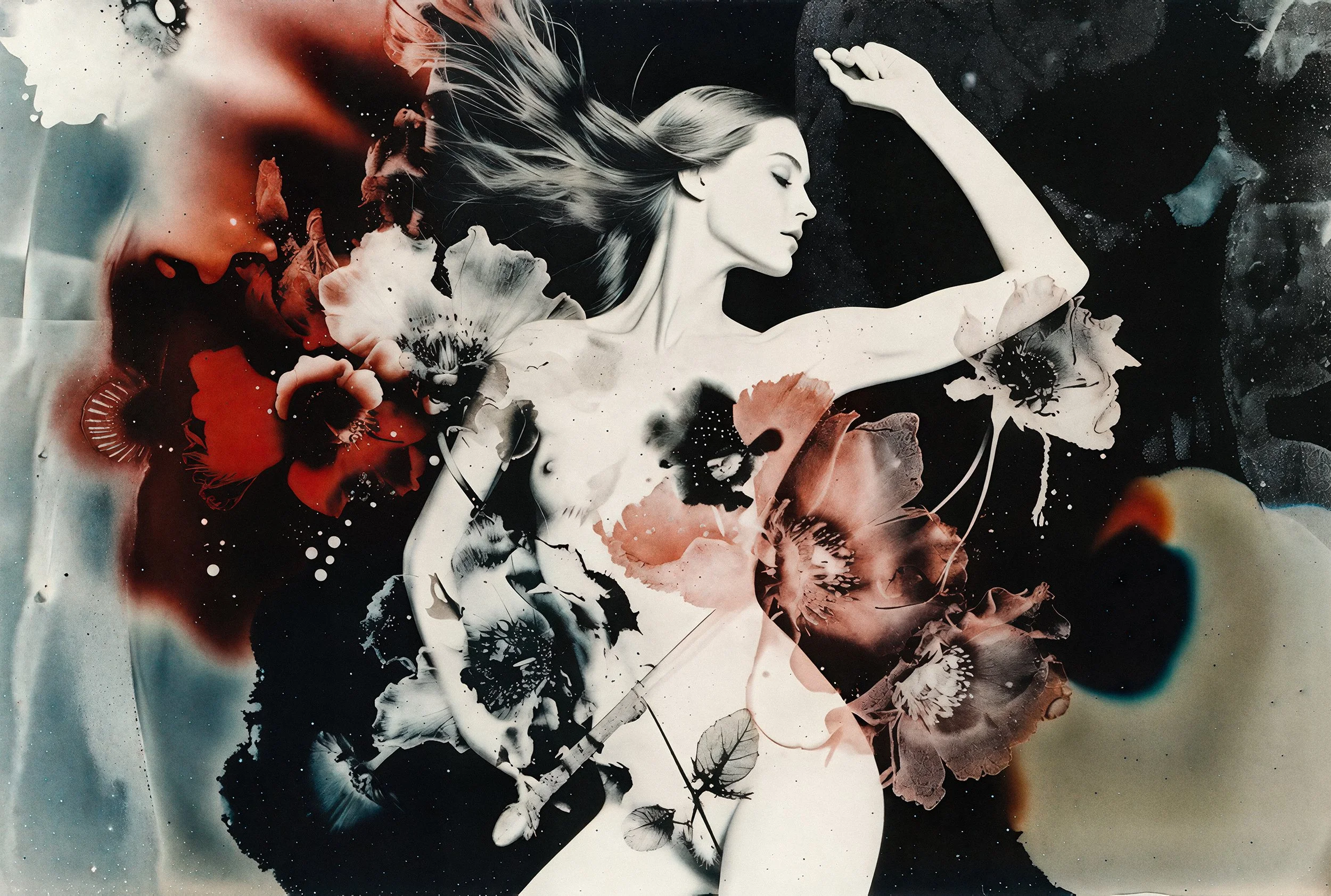
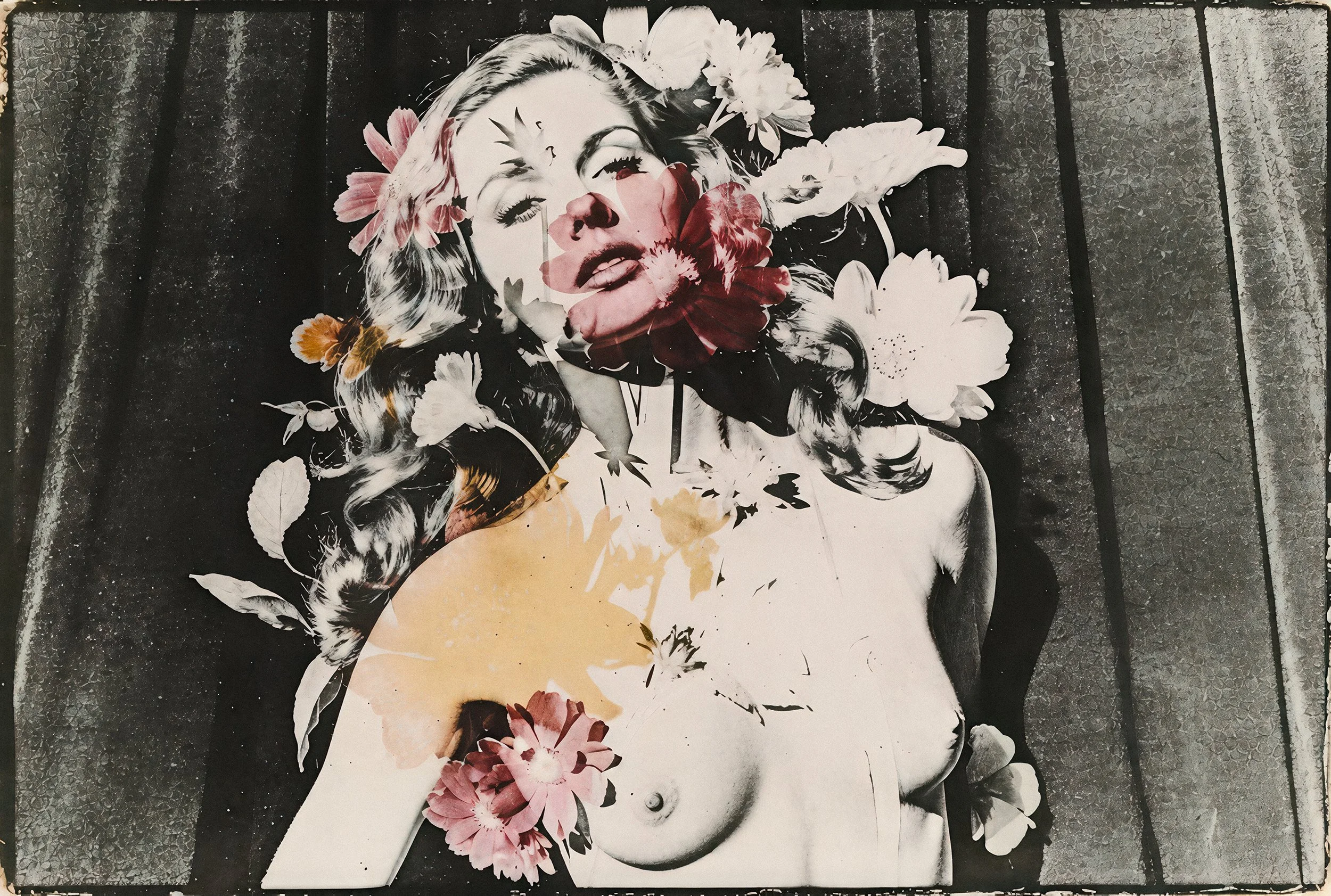
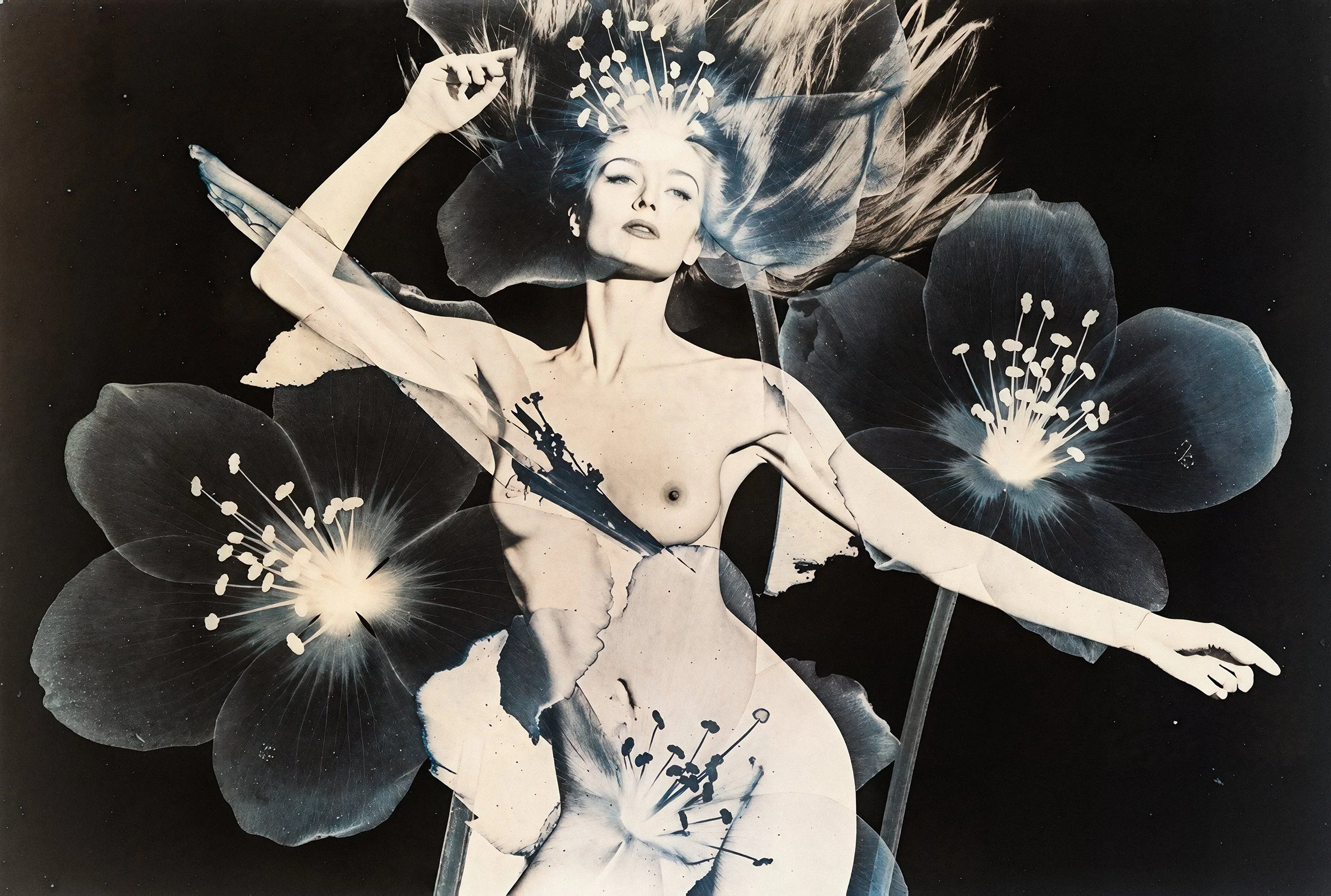
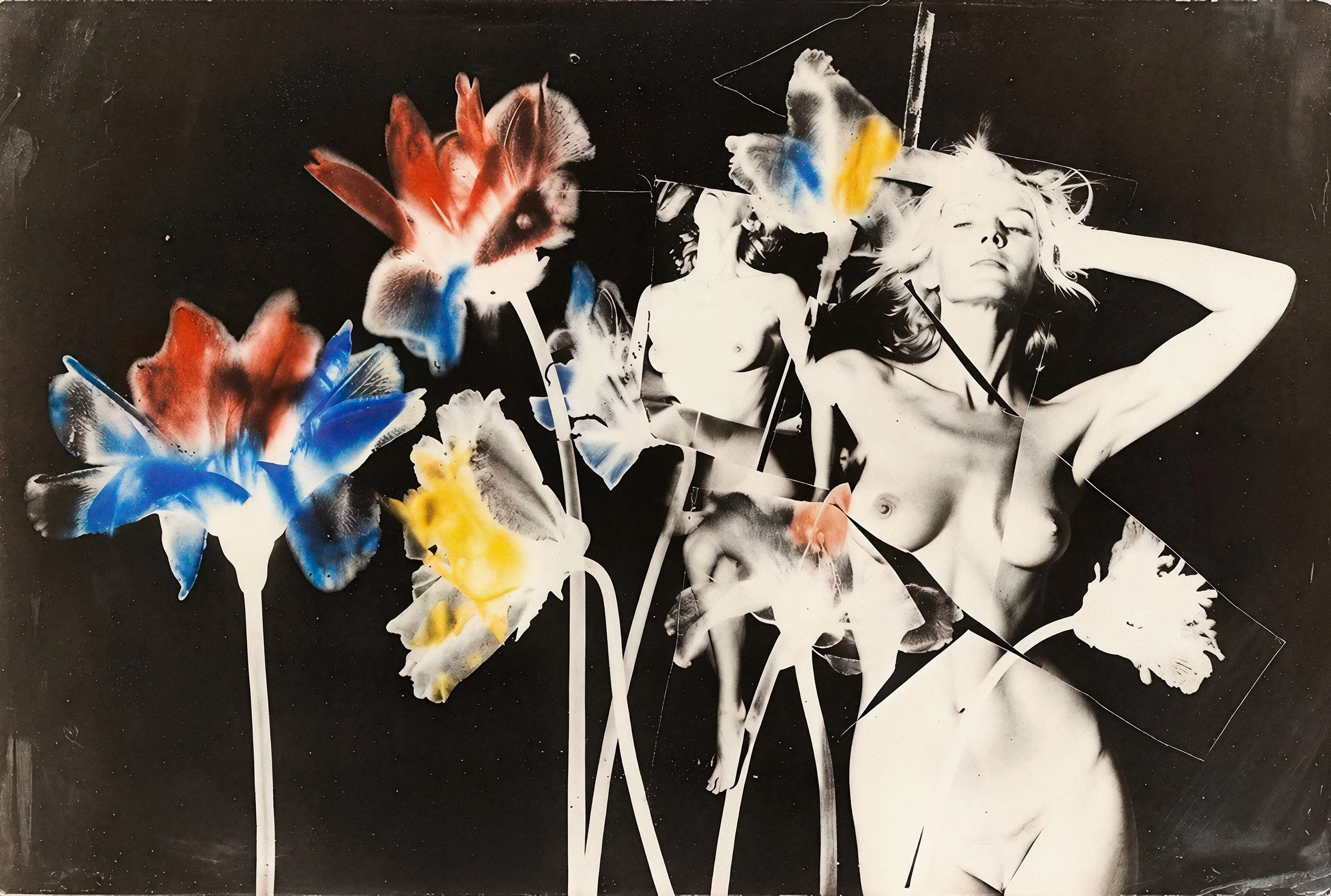
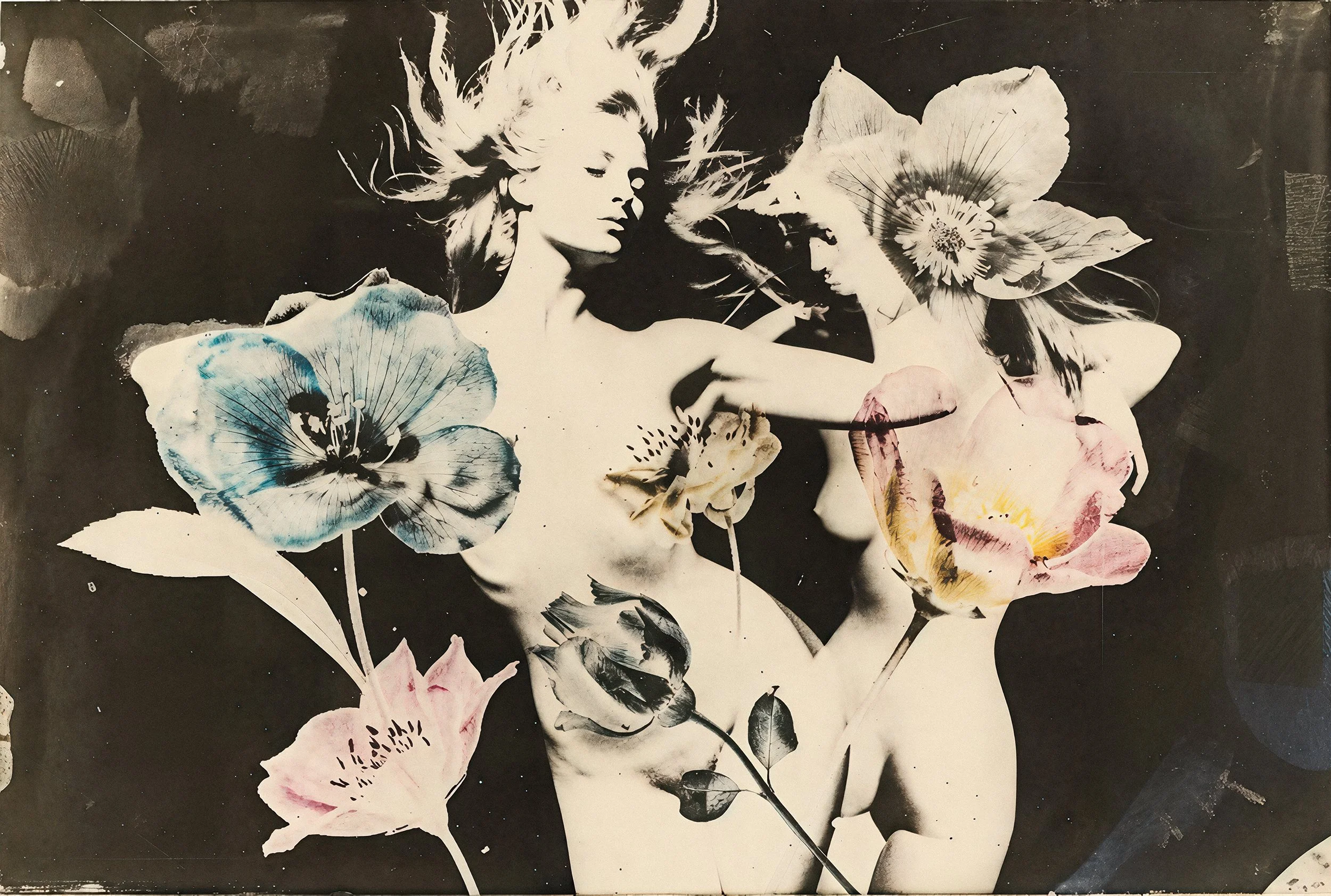
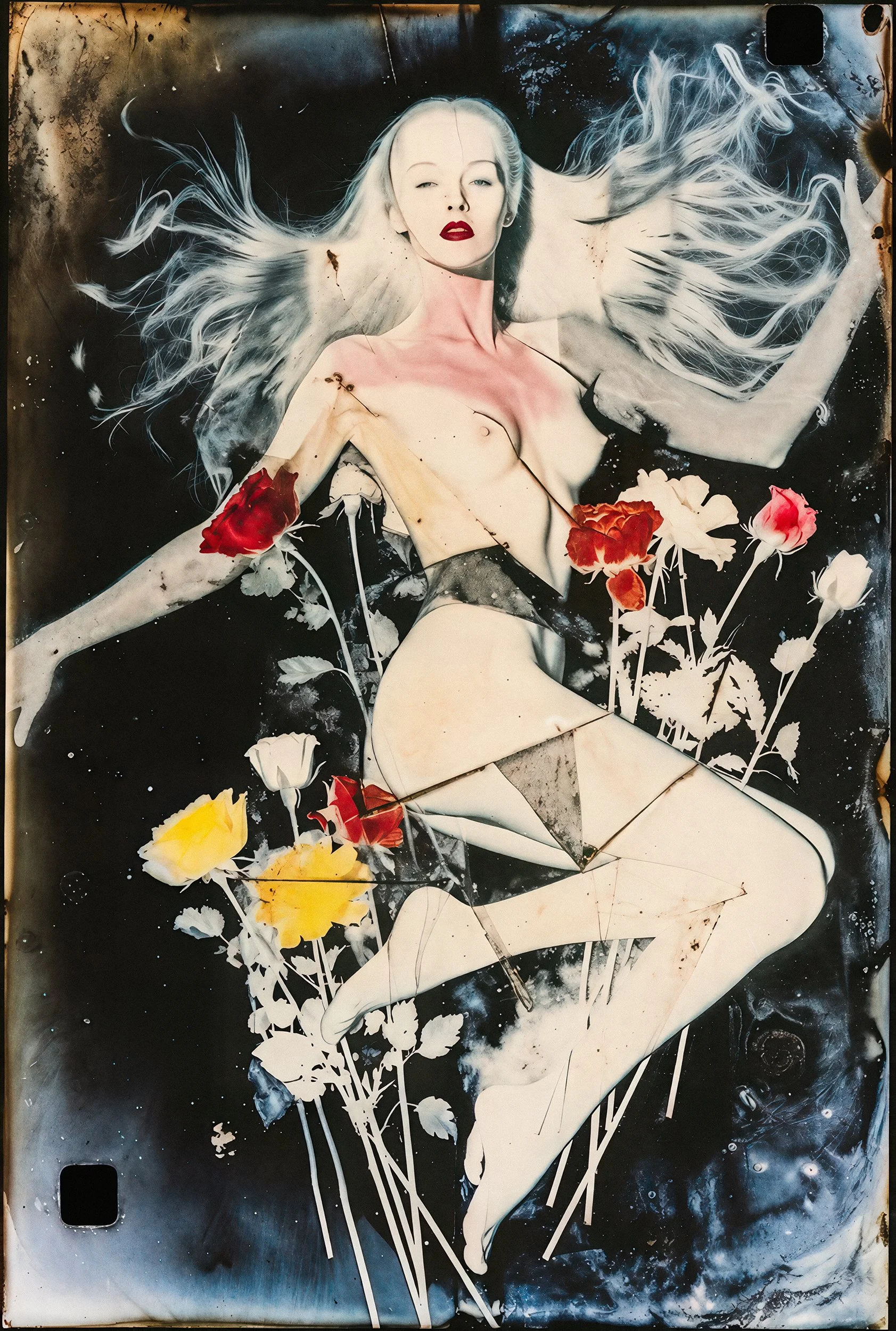
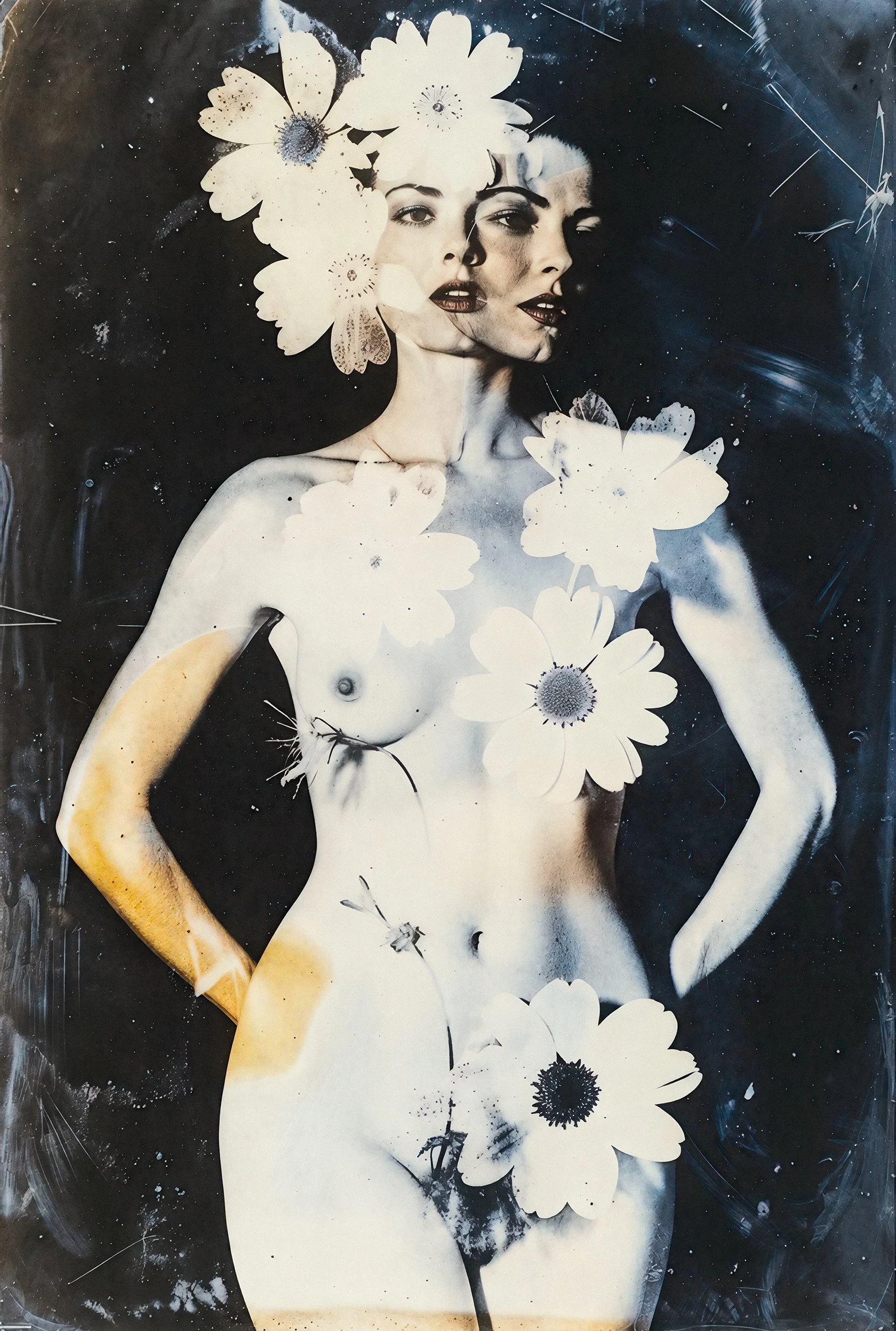
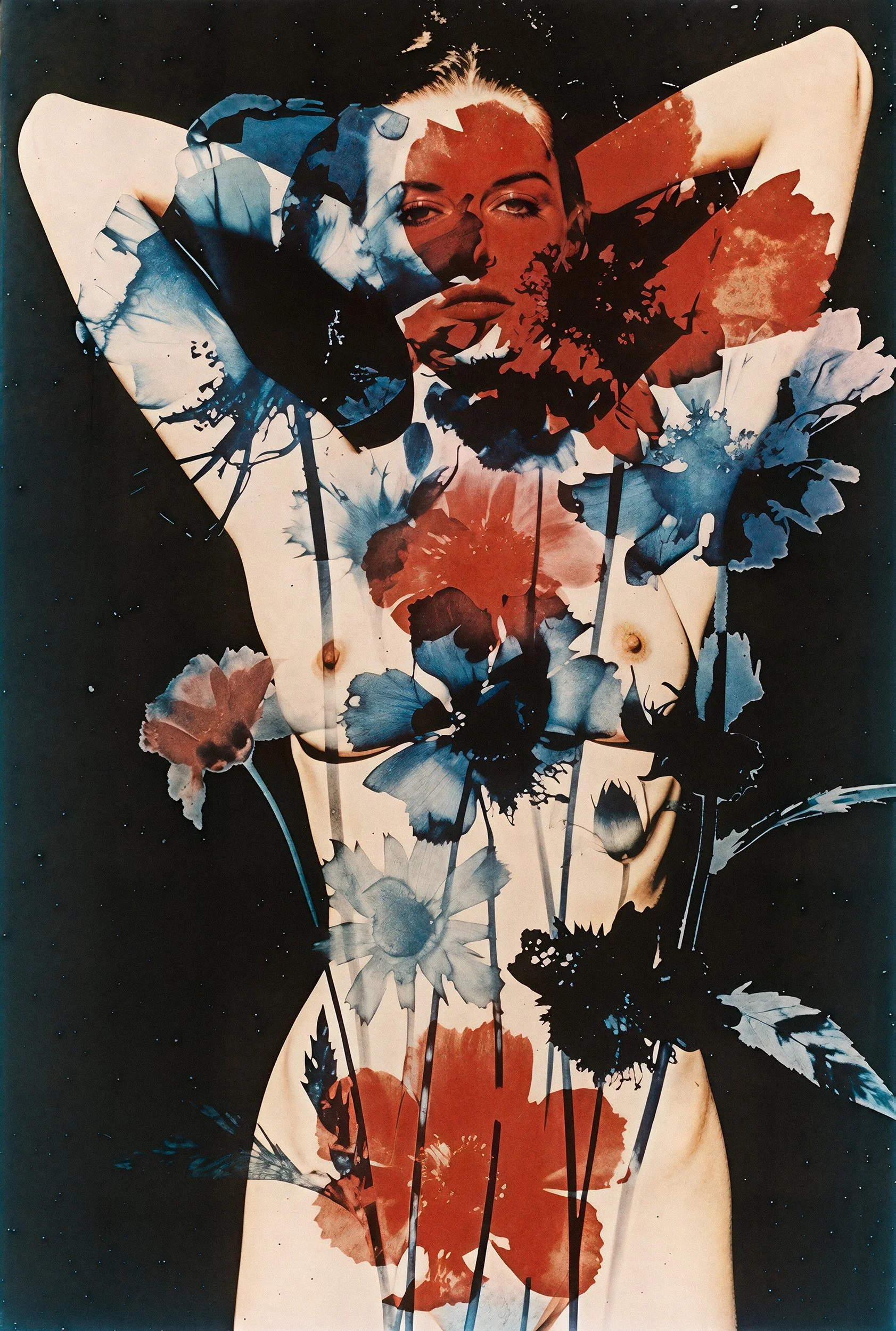
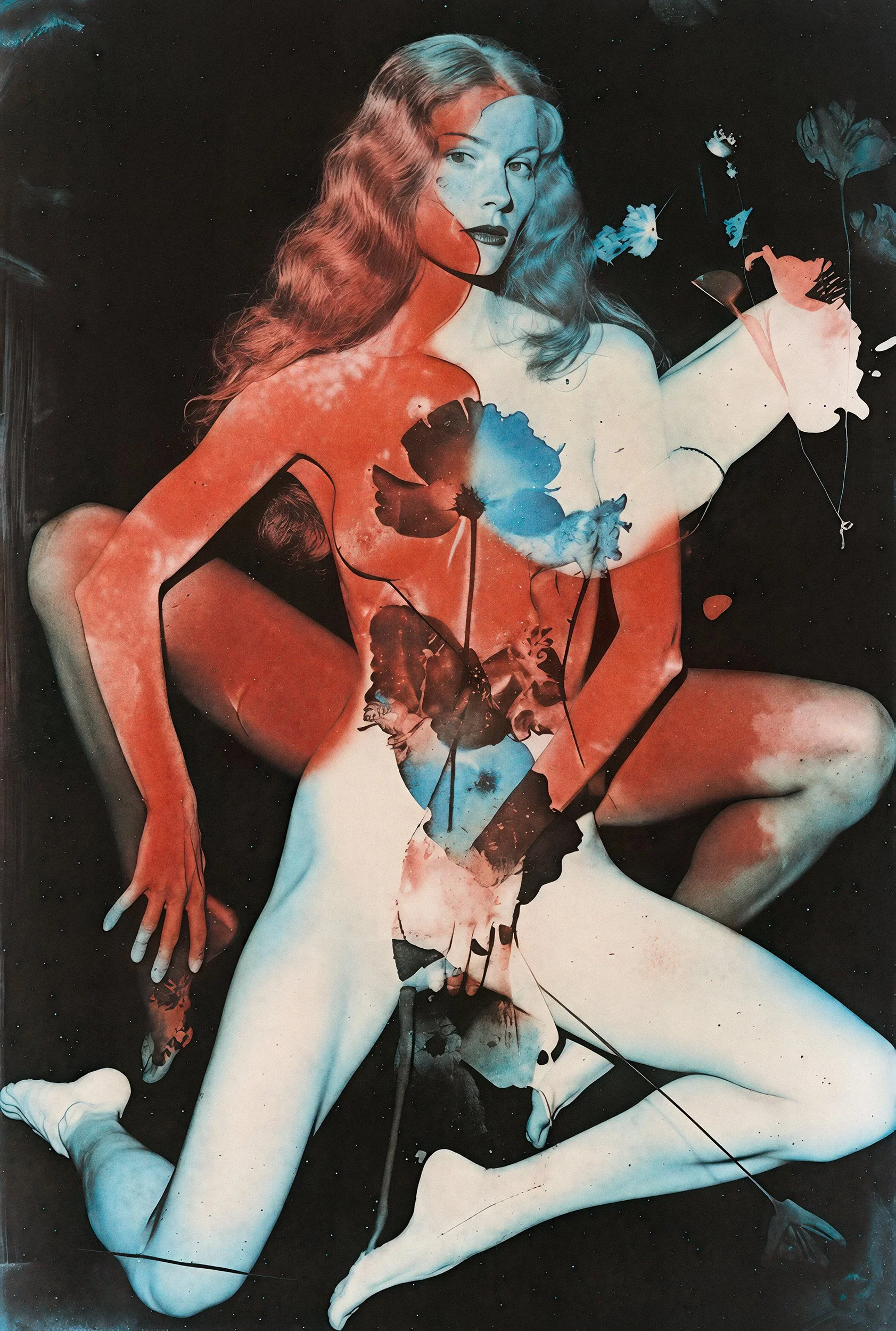
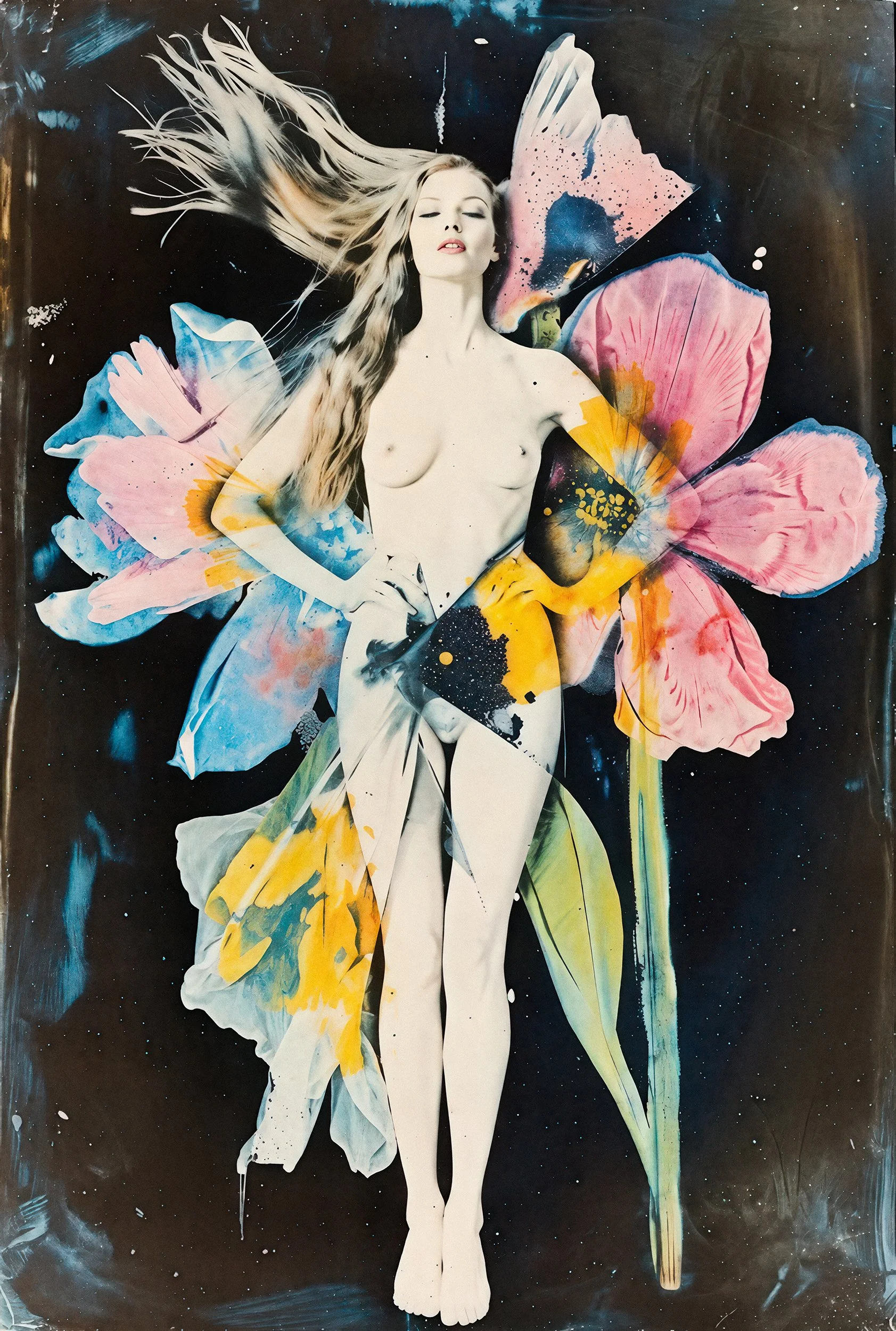
Synth Vanitas
“Art is dead, long live art!”
When photography emerged and began competing with painting, it was dismissed by many as mechanical, soulless, lacking true artistic skill or human creativity. A similar sentiment was shared by many analog photographers when digital photography arrived—it too was branded as soulless. Suddenly, “anyone” could be a photographer without real technical mastery. Then came smartphones, which today produce images of nearly the same quality as those made with expensive professional equipment. Everyone can be a photographer—everyone can (supposedly) be an artist. As Andy Warhol famously put it: “Art is what you can get away with.”
Let’s go back even further: ready-mades like Marcel Duchamp’s Fountain required no manual skill whatsoever—only an idea. As early as 1859, Charles Baudelaire called photography an “industry” that was destroying art, because it merely copied chemically and possessed no soul. Many artists viewed it as a threat or as something only failed painters would resort to.
Or consider Yves Klein’s Monochrome bleu (International Klein Blue) and Jackson Pollock’s drip paintings: today, few would dispute that these works are art. But is it “skill” in the traditional sense? Art history is full of countless such examples.
Now we arrive at AI art—or more precisely, synthography. Synthography (synthetic photography) refers to the generation of photorealistic images by AI algorithms based on text prompts. Once again, the art world is fiercely debating whether synthography truly qualifies as art. Here, “skill” shifts to the idea itself and to the carefully crafted text prompt that brings it to life. Whether it counts as genuine art remains—as always—in the eye of the beholder. The (art) world will argue passionately once more about whether synthography is “REAL” art or not.
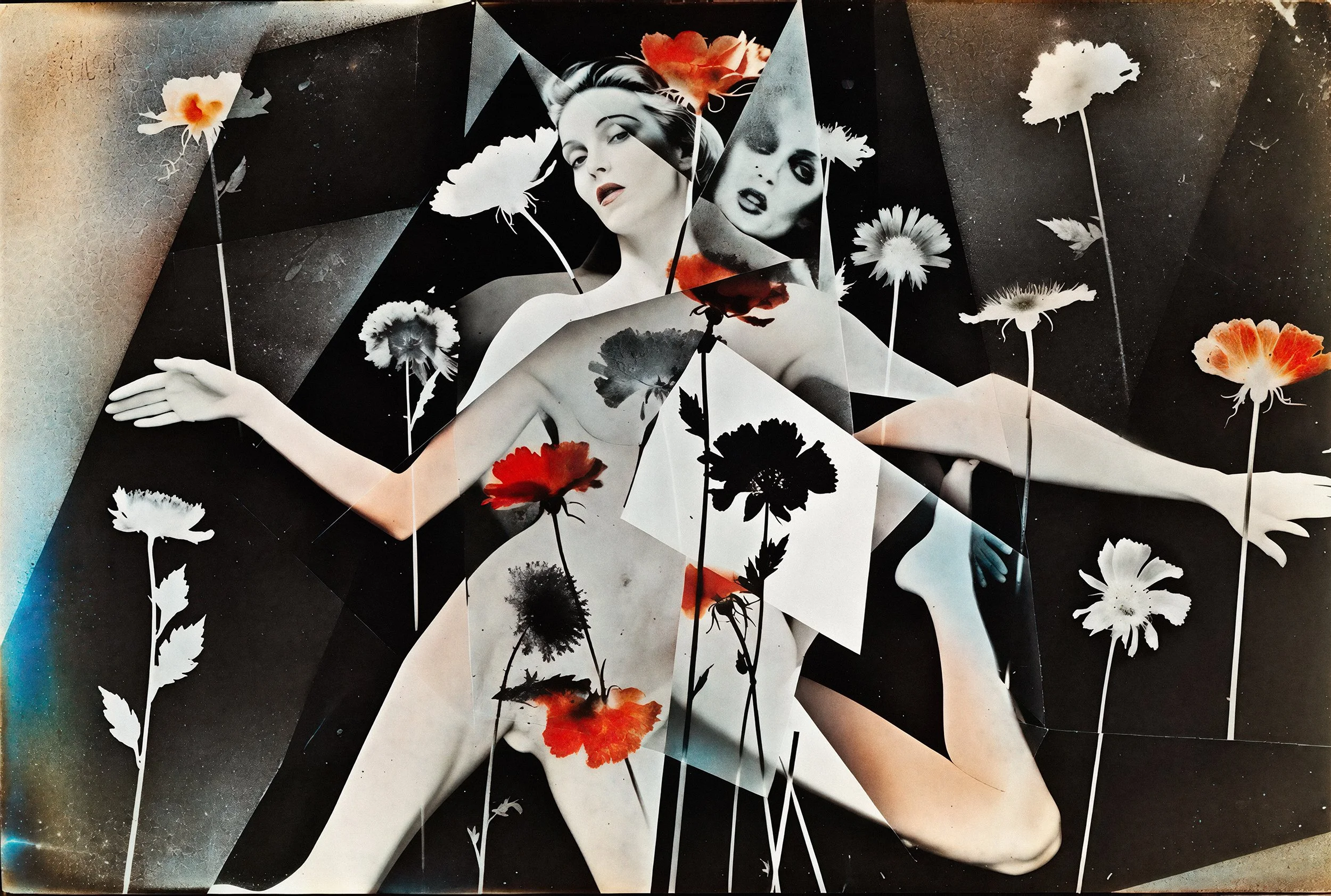
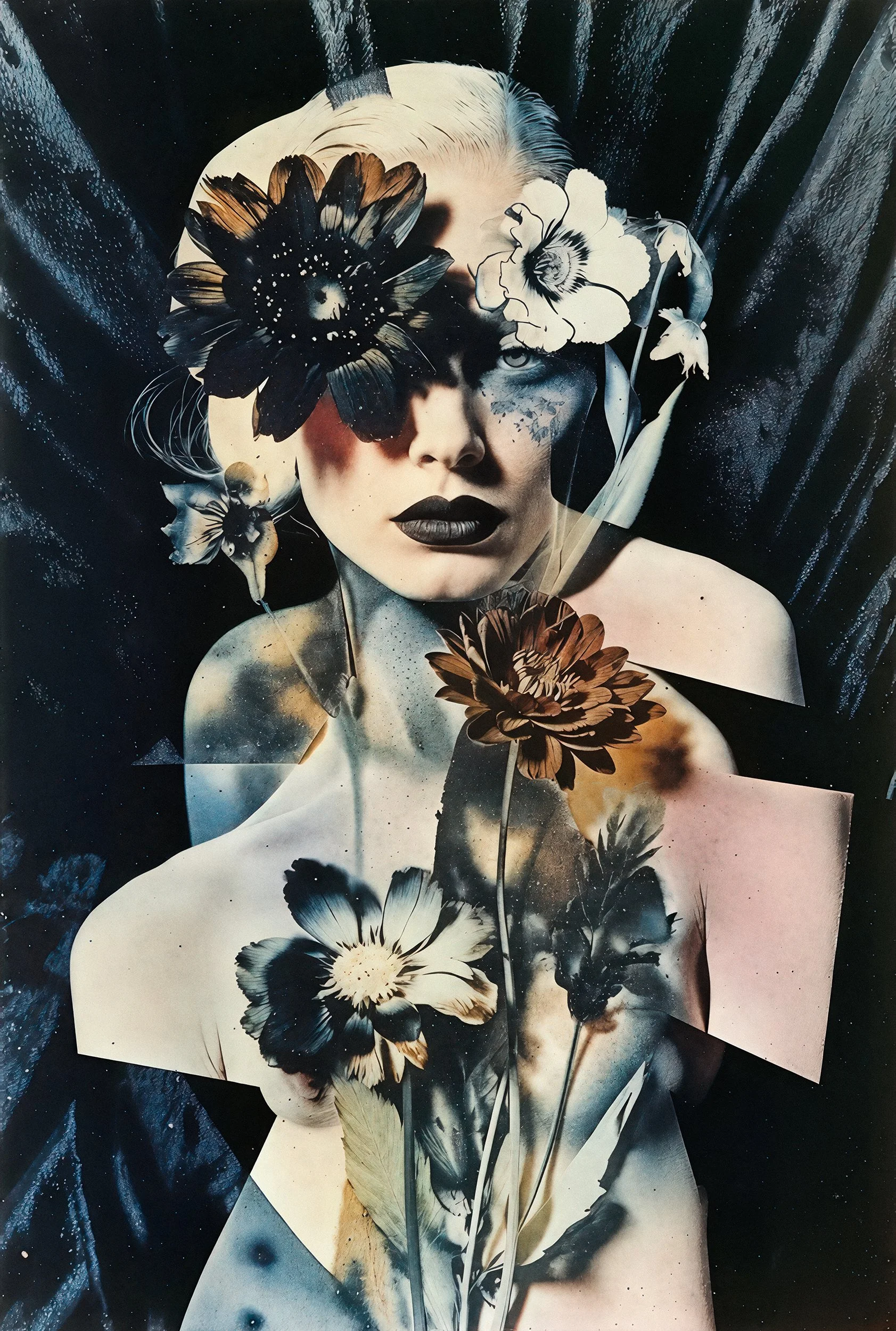
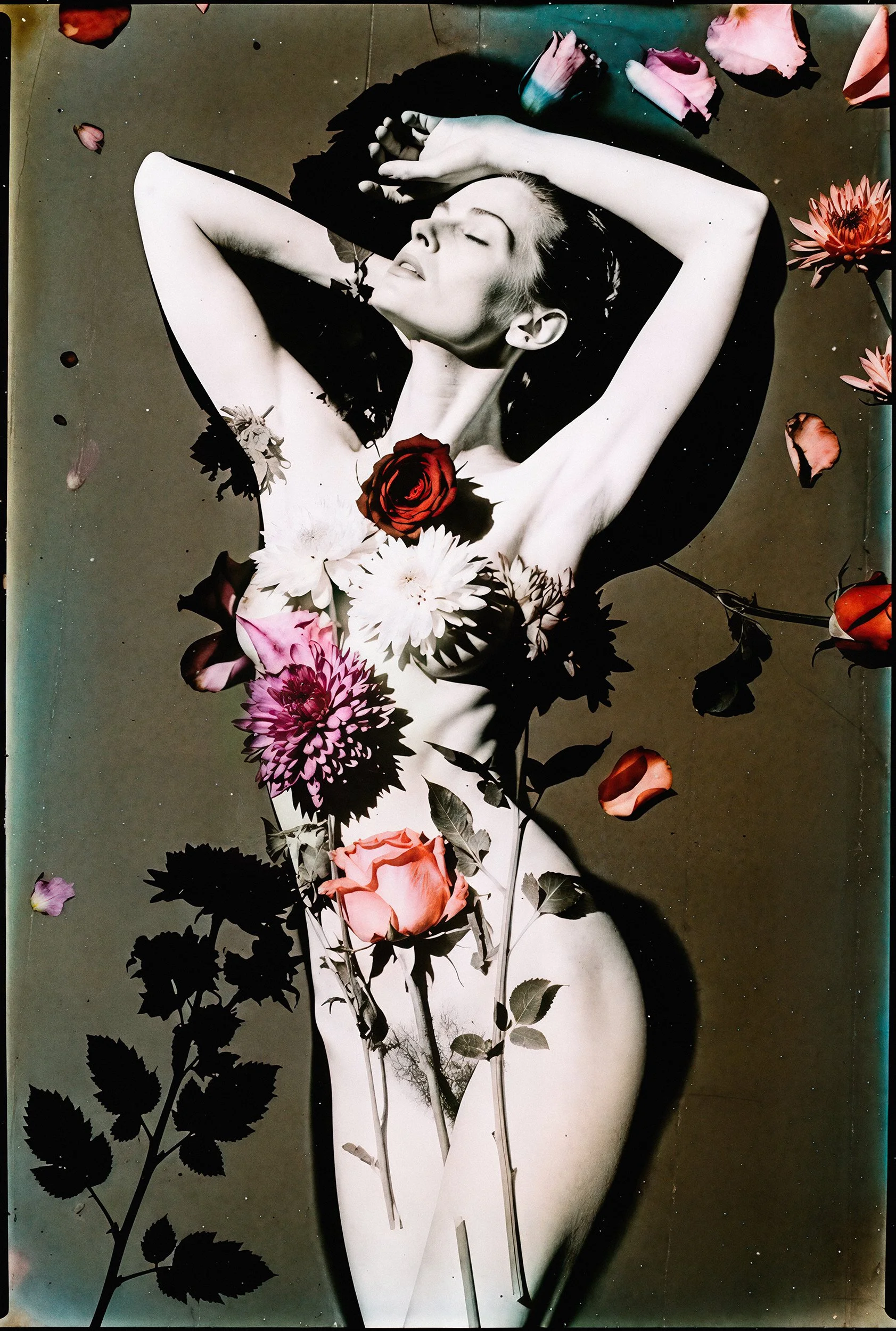
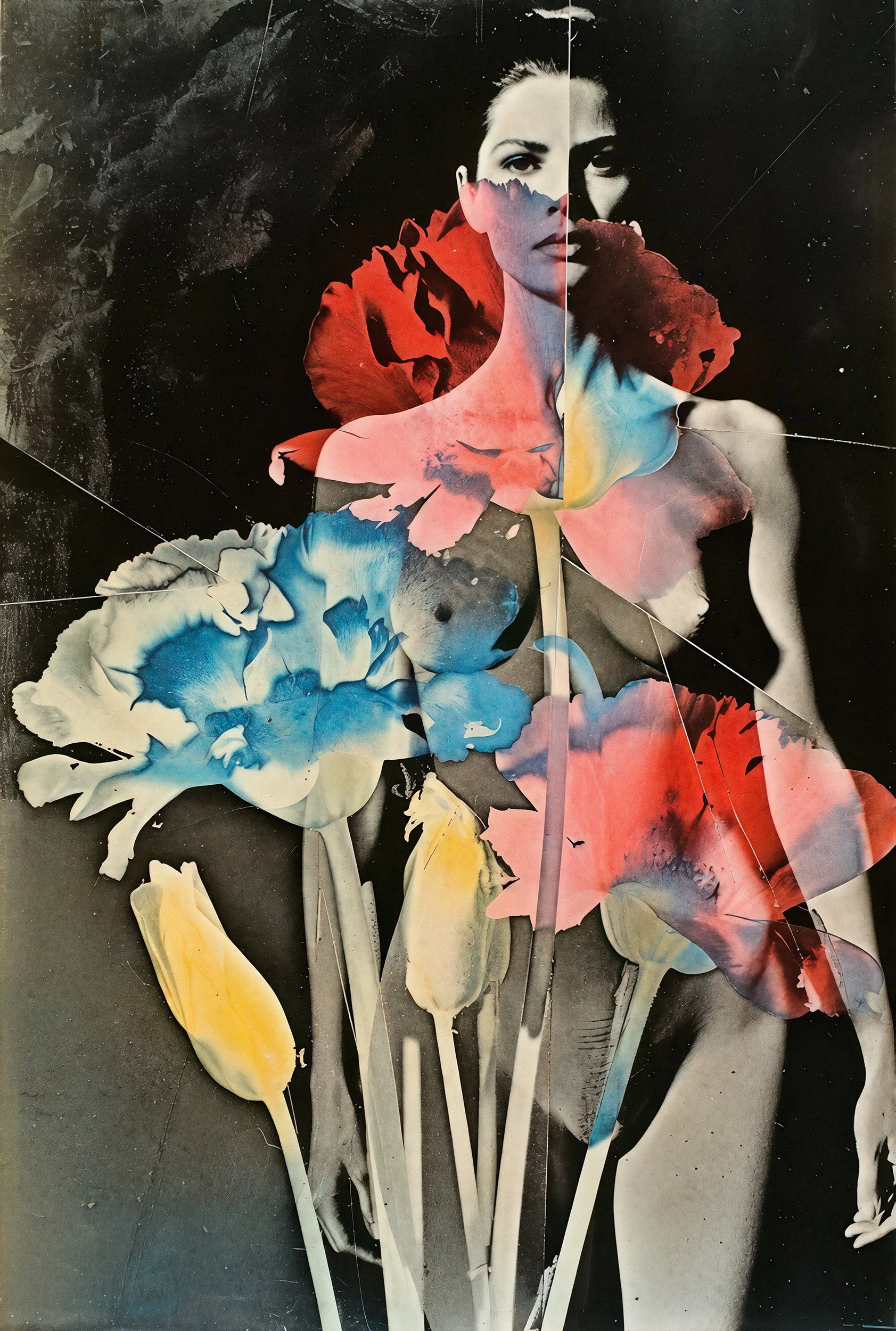
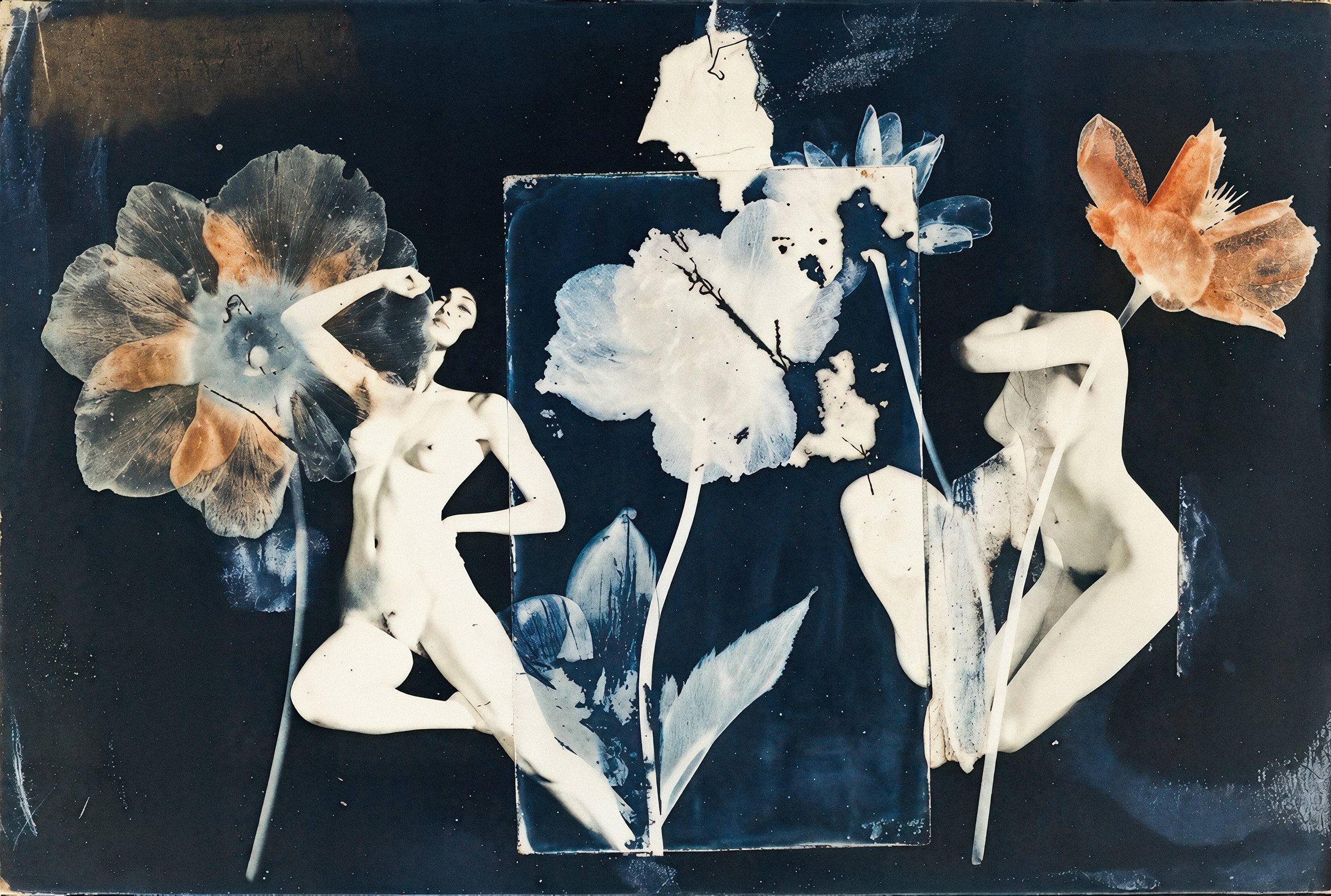
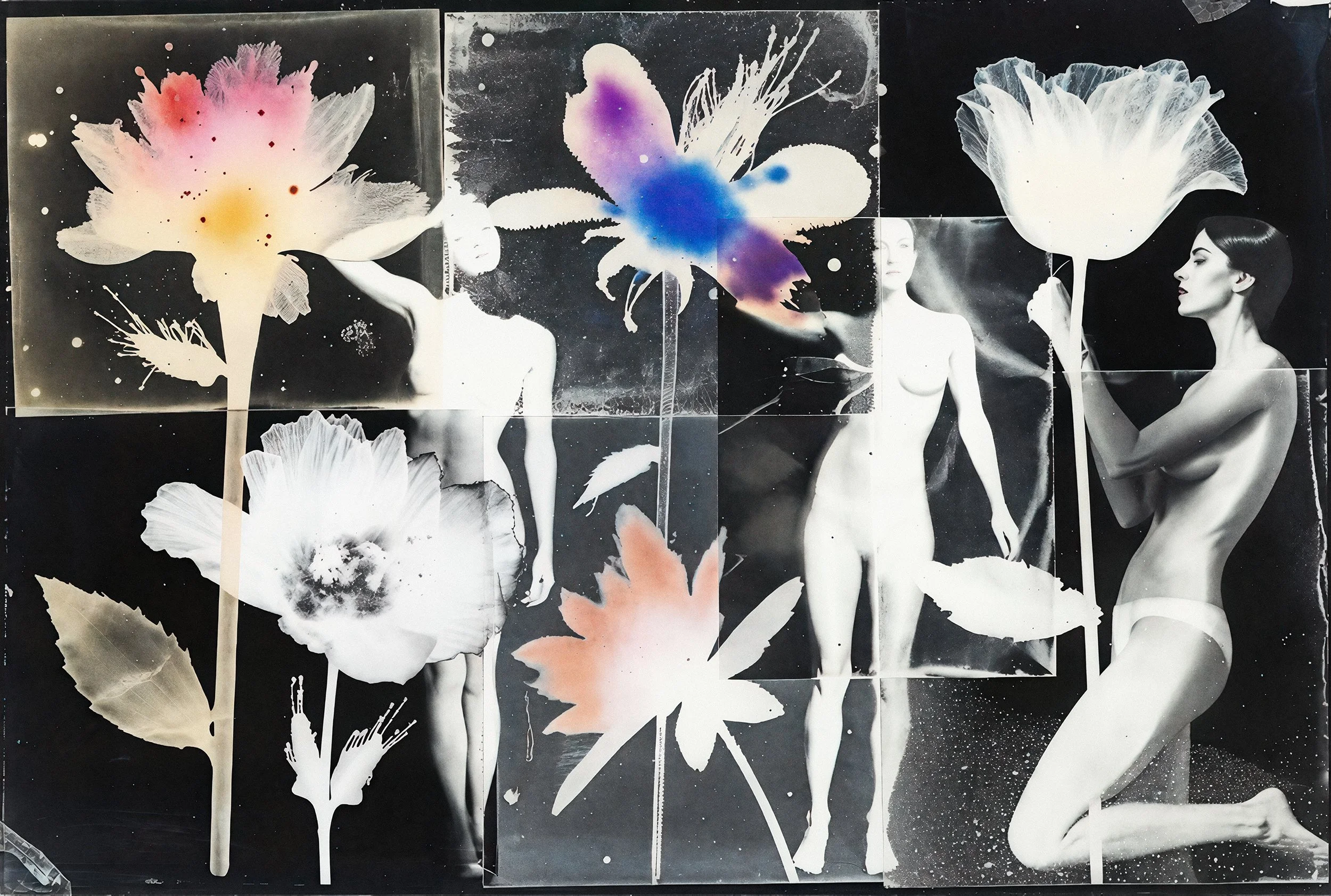
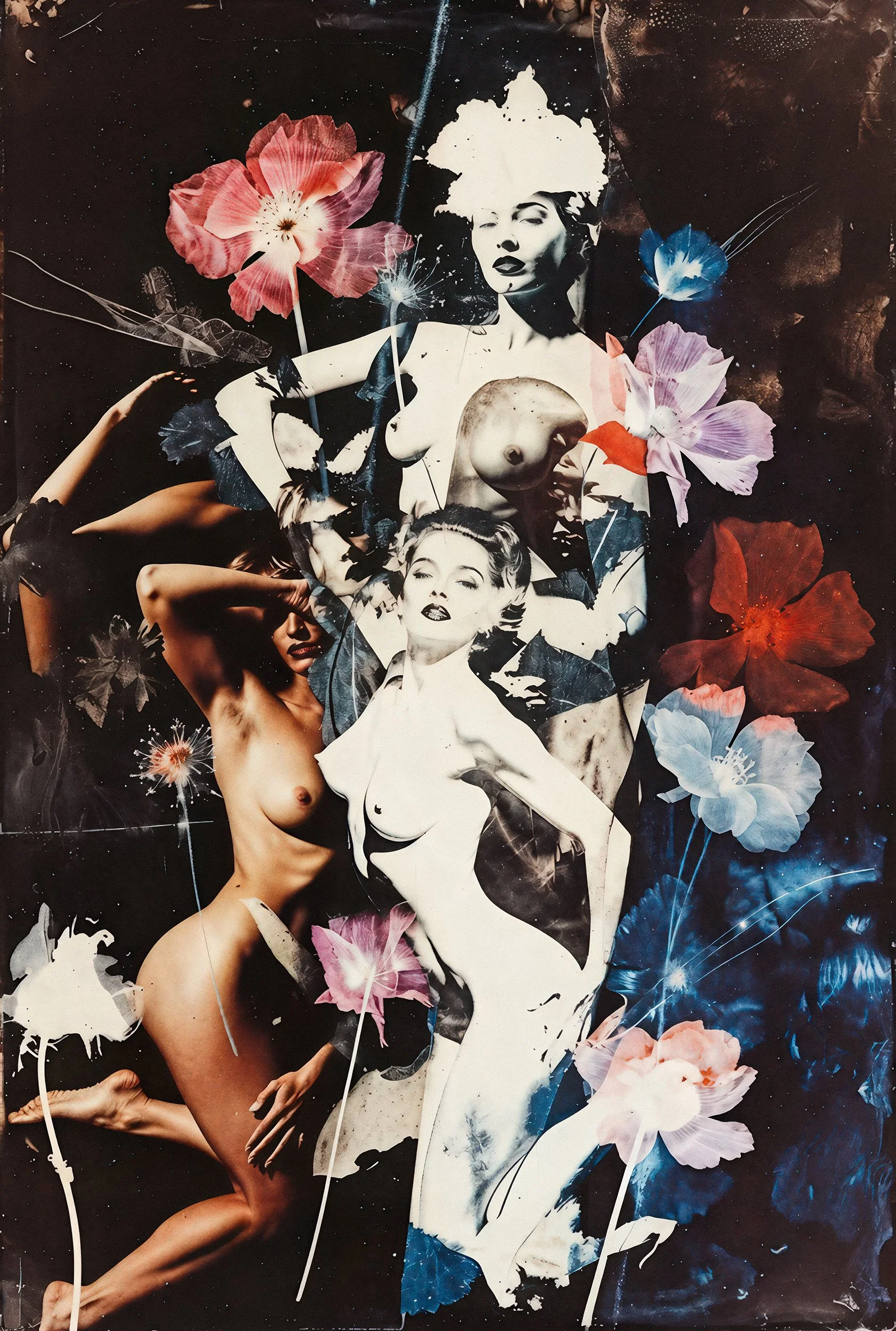
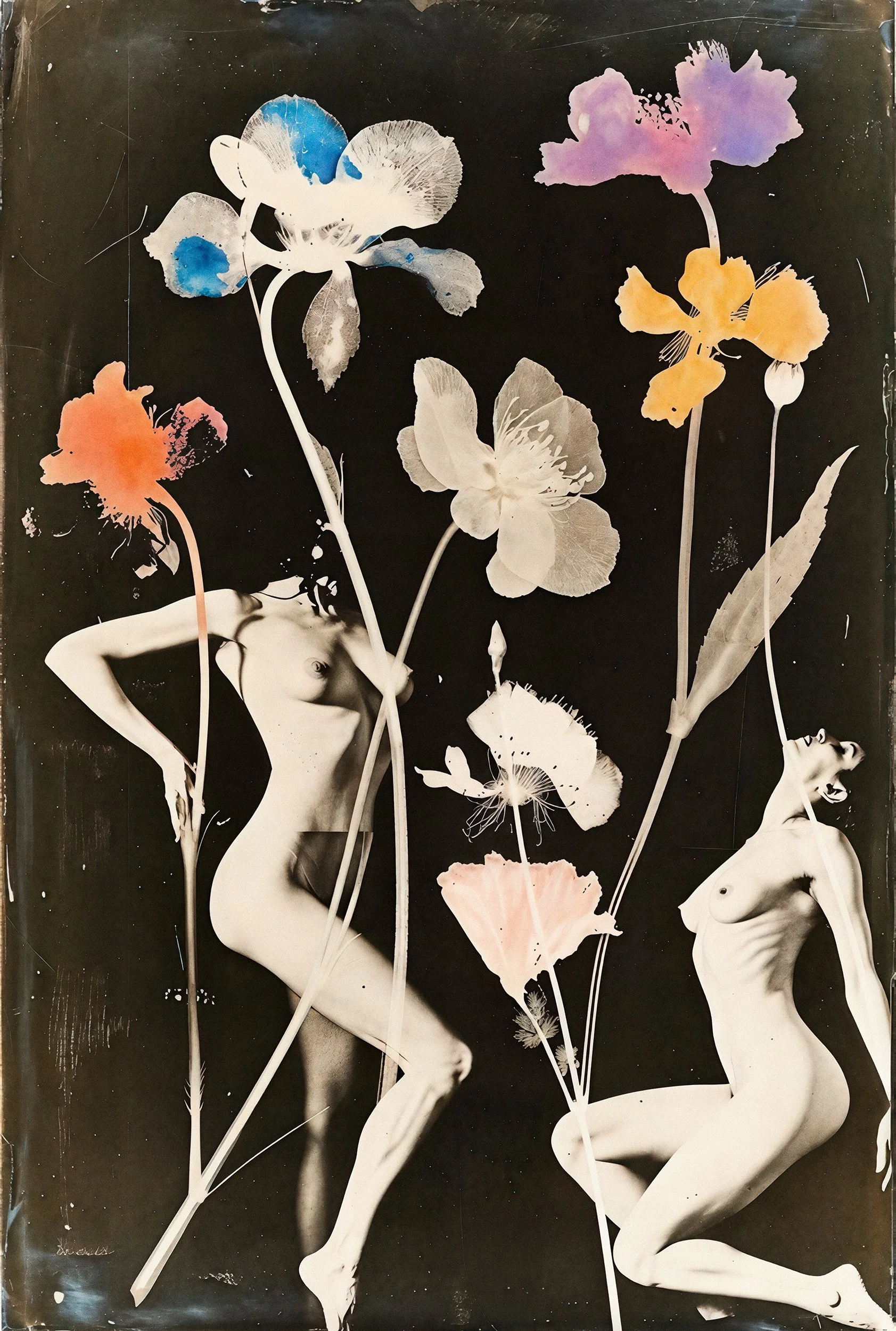
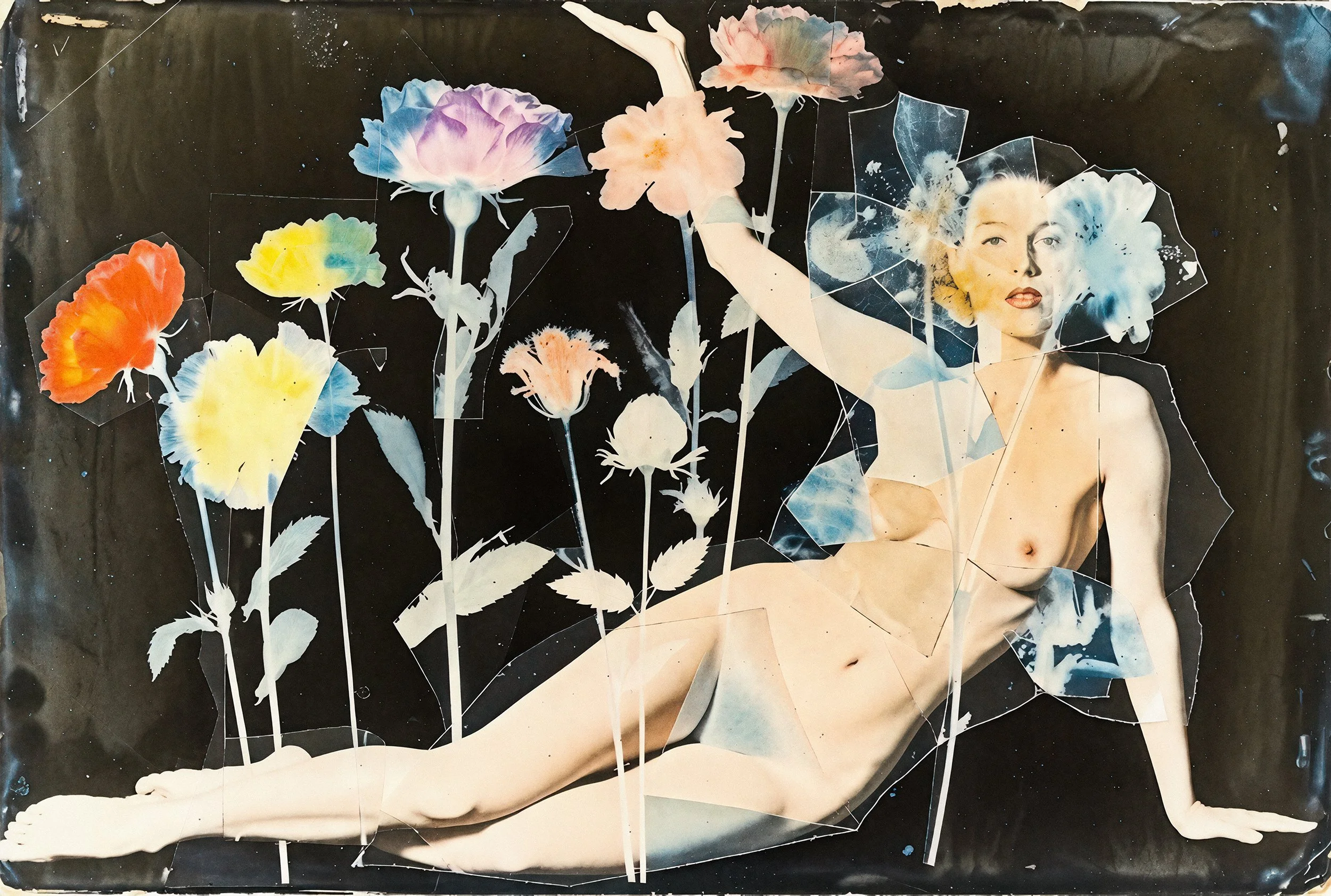
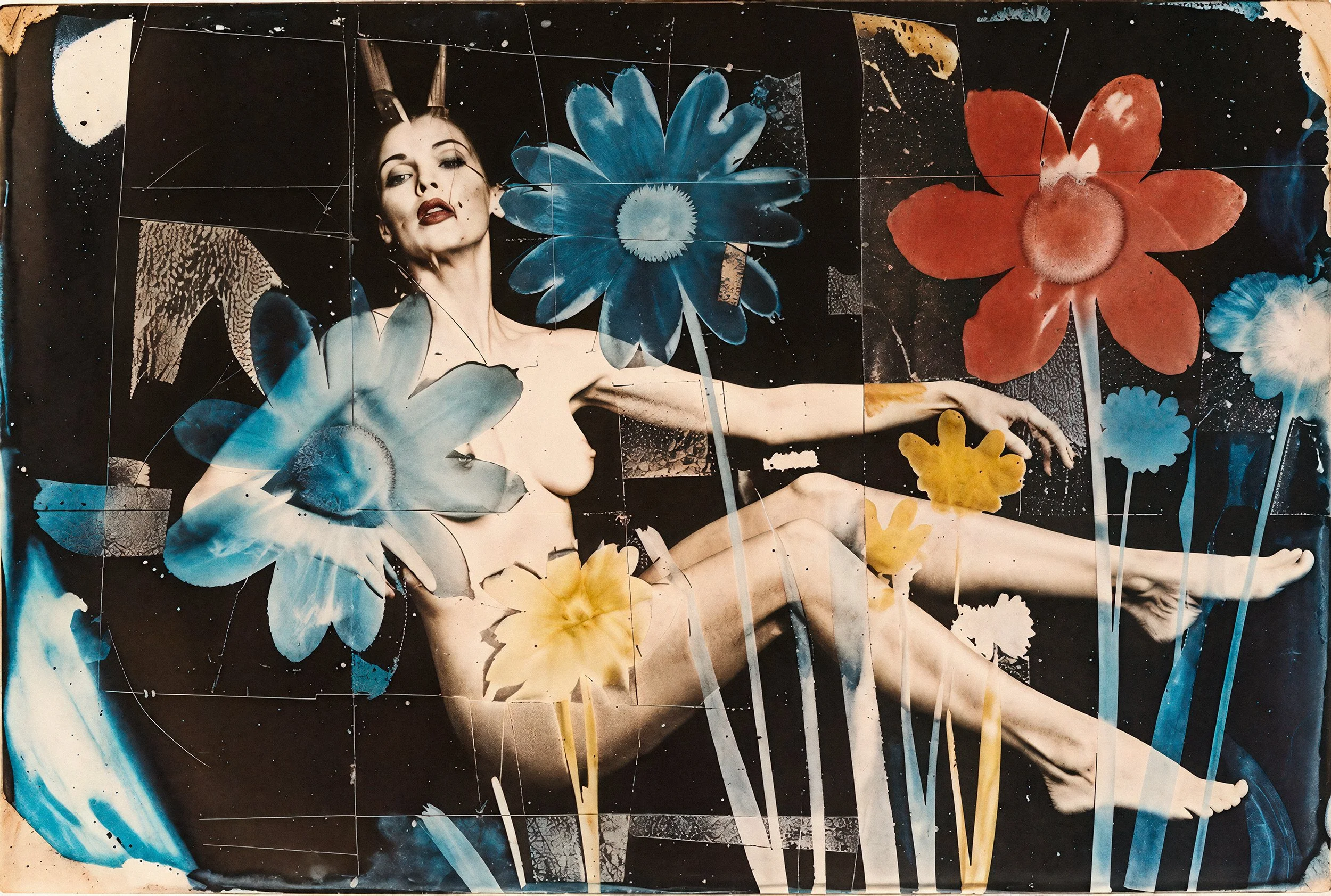
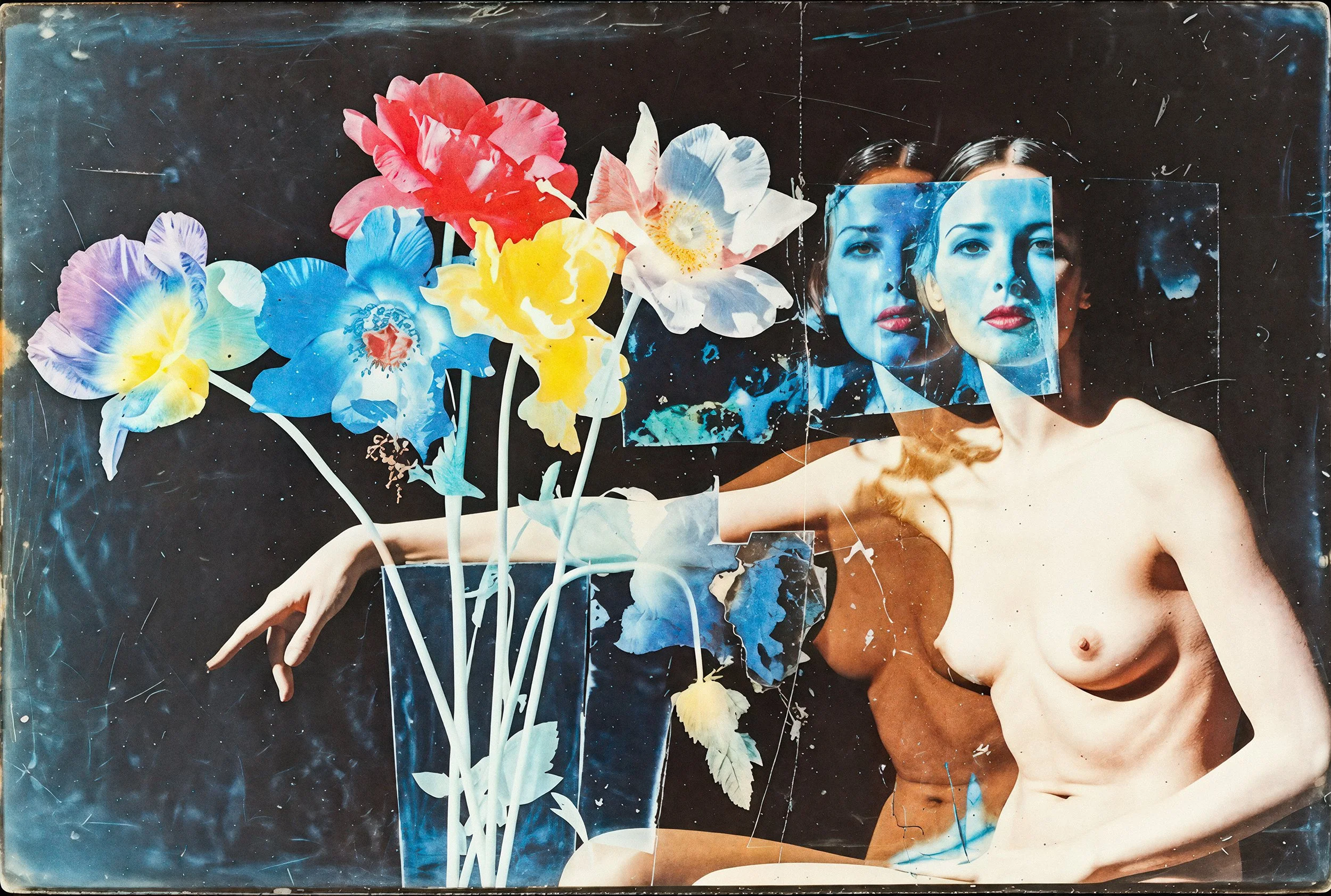
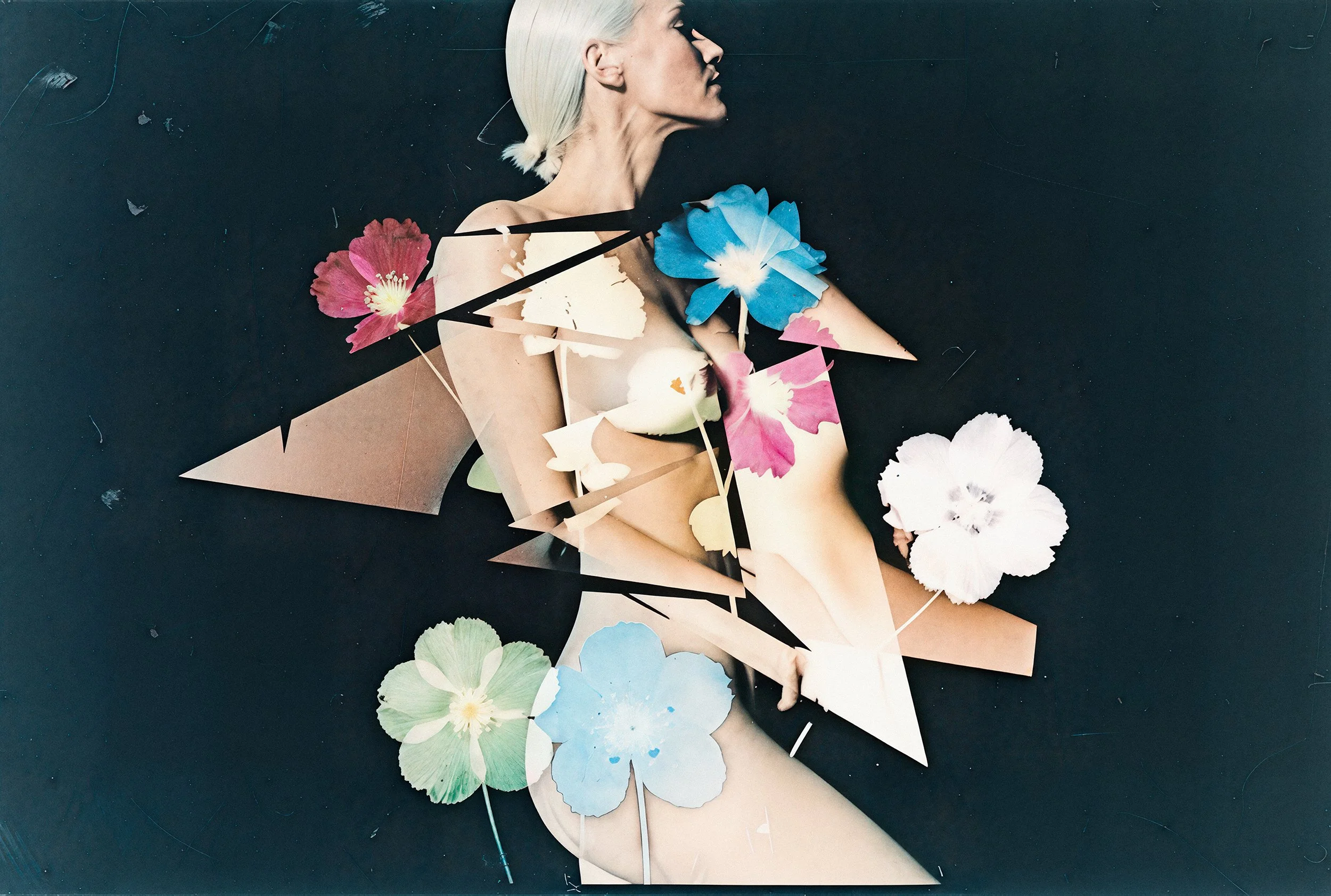
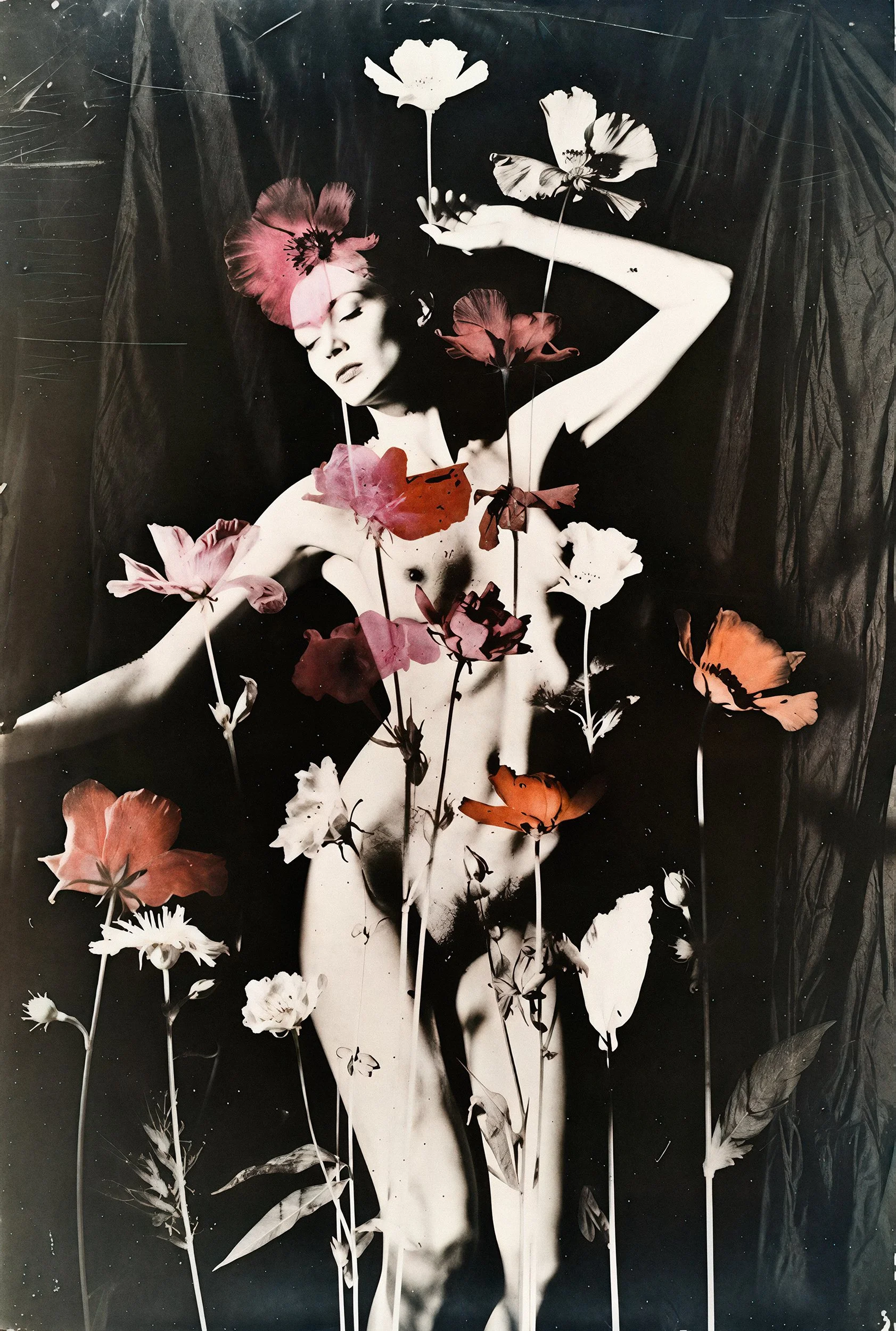
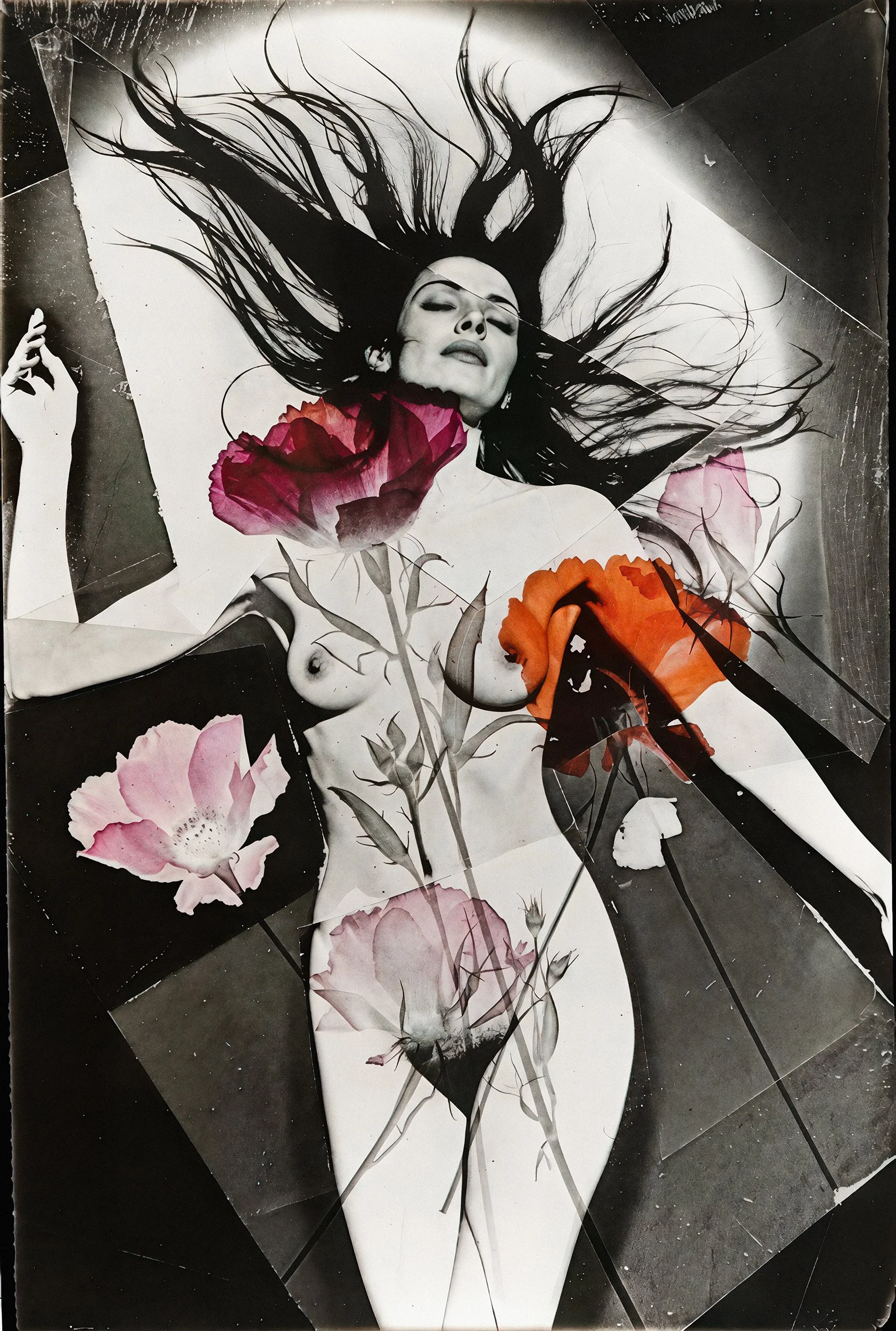
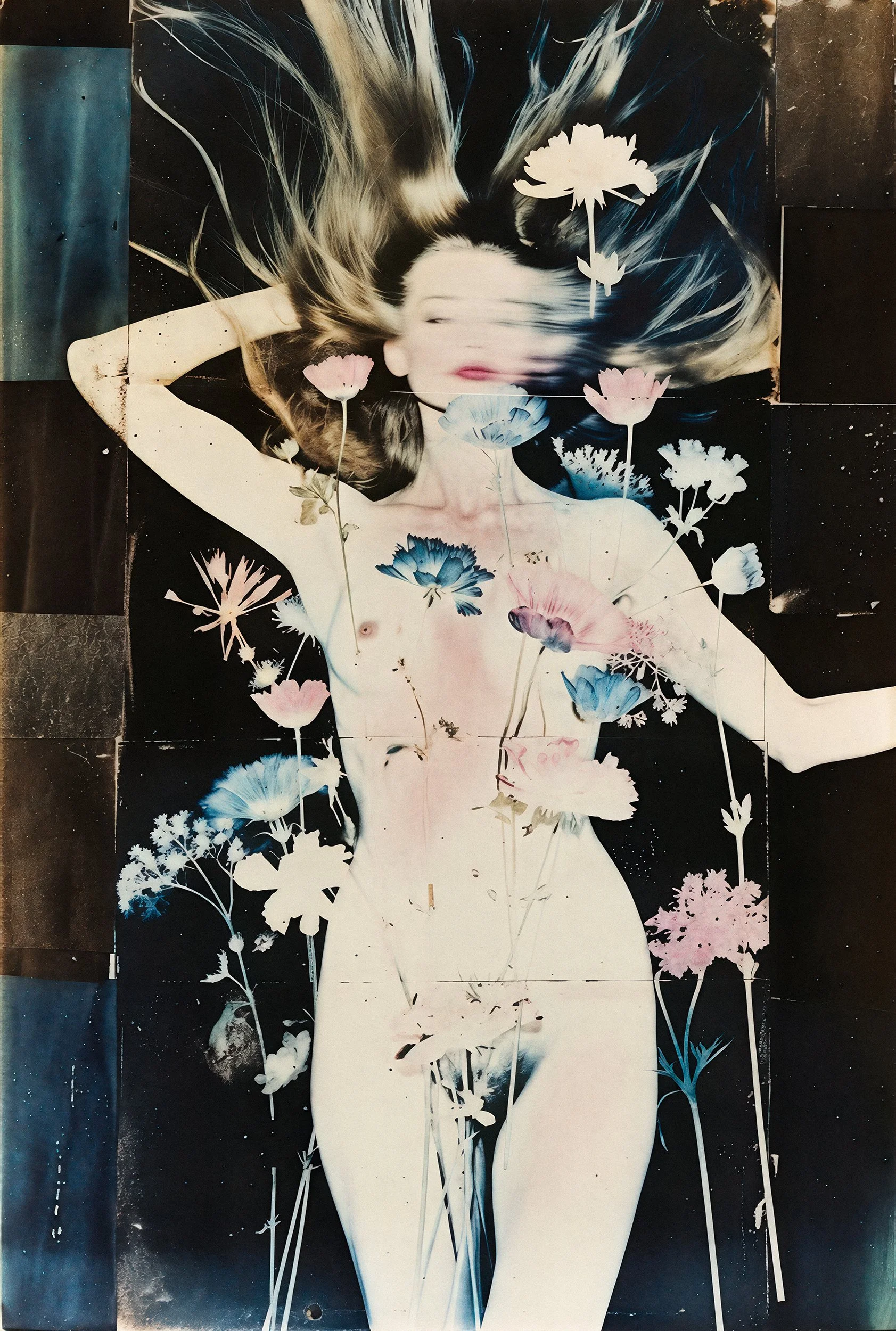
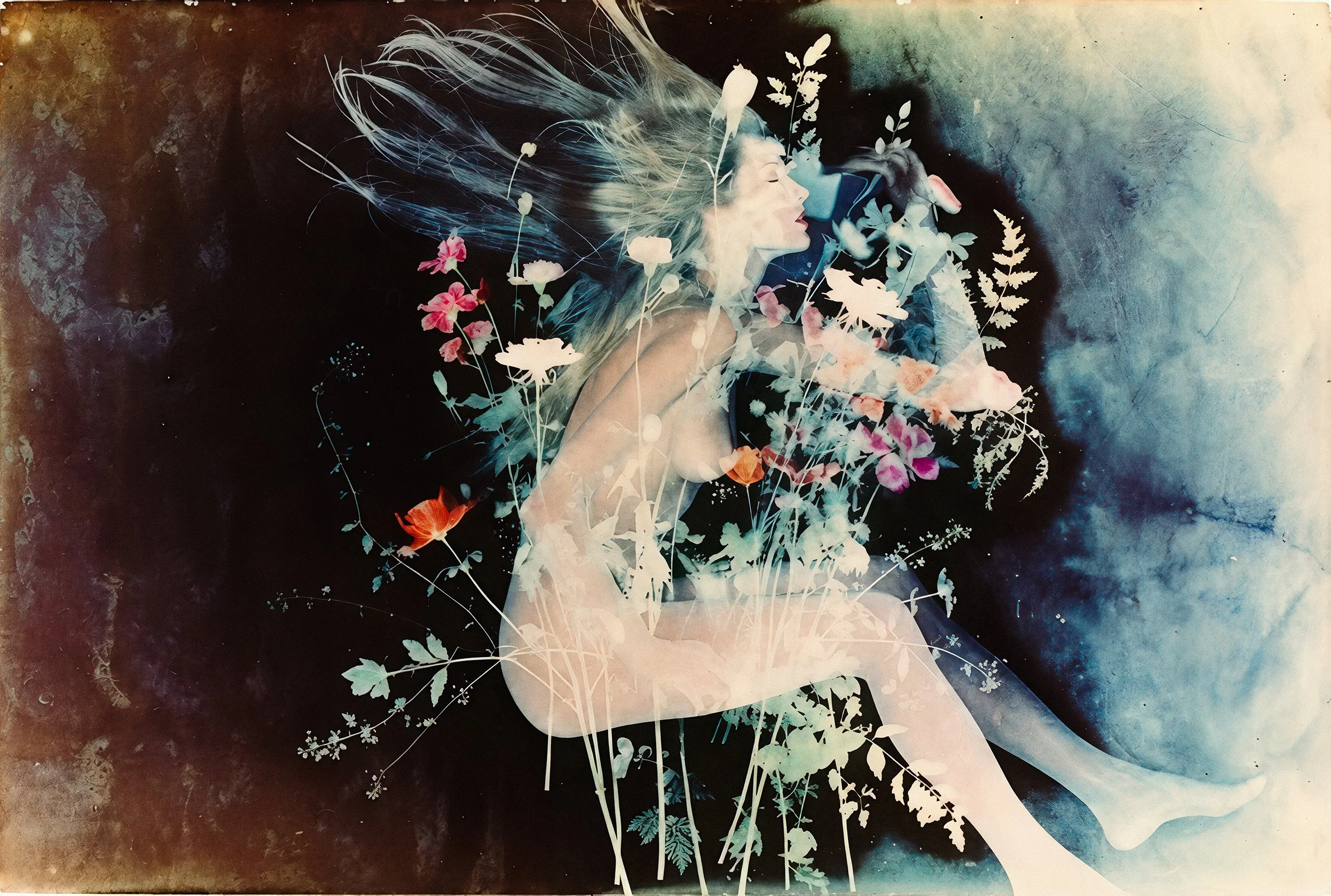
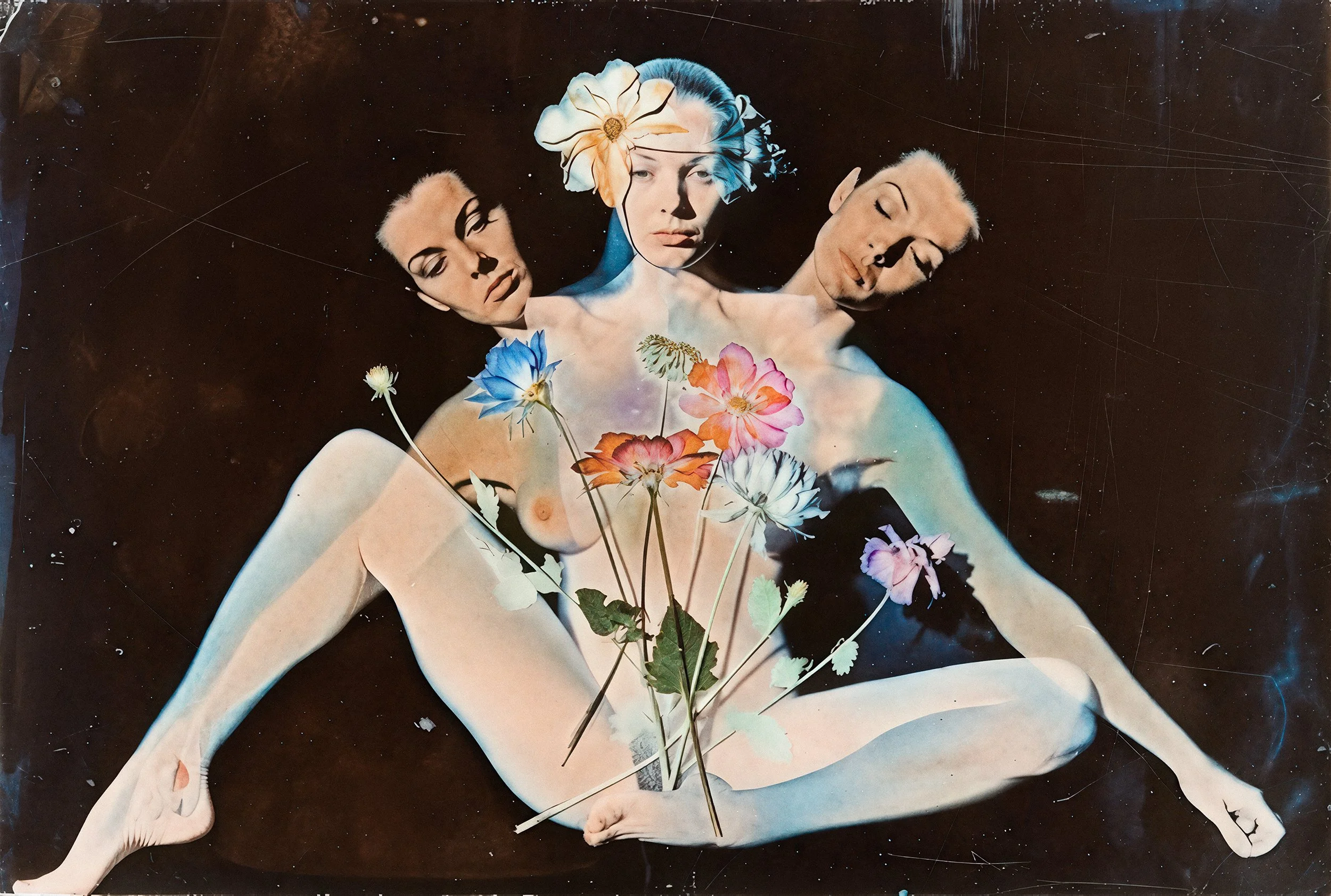
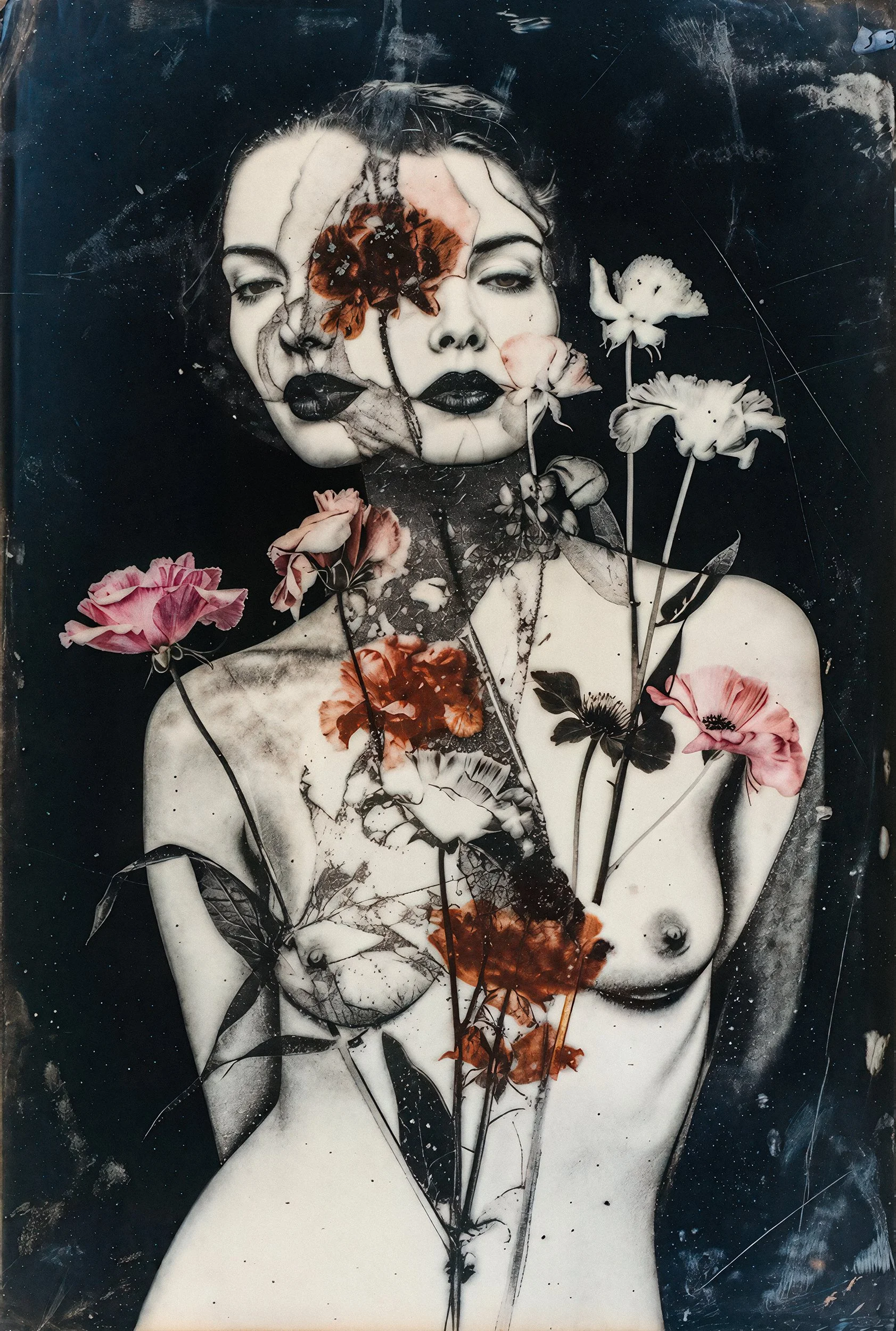
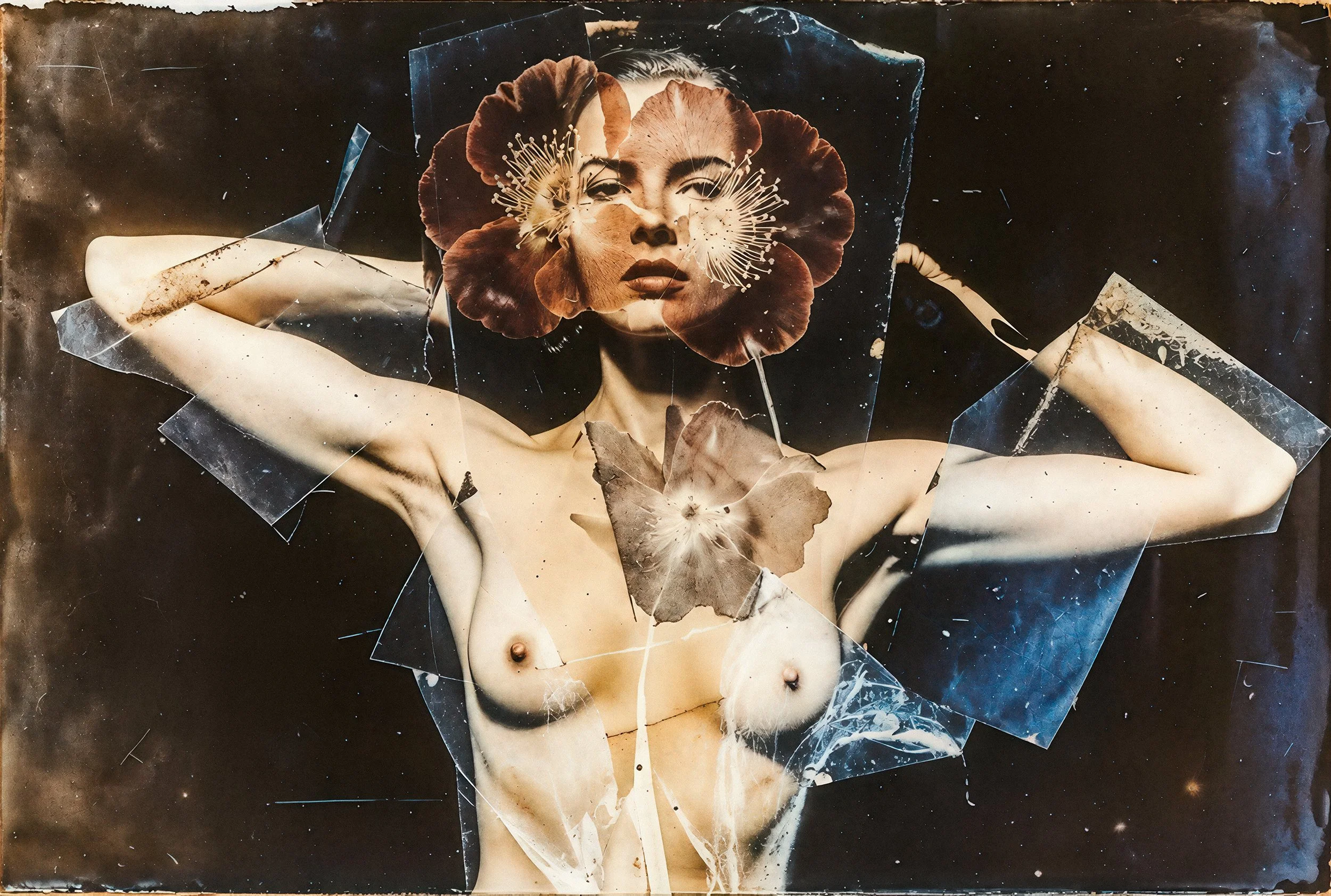
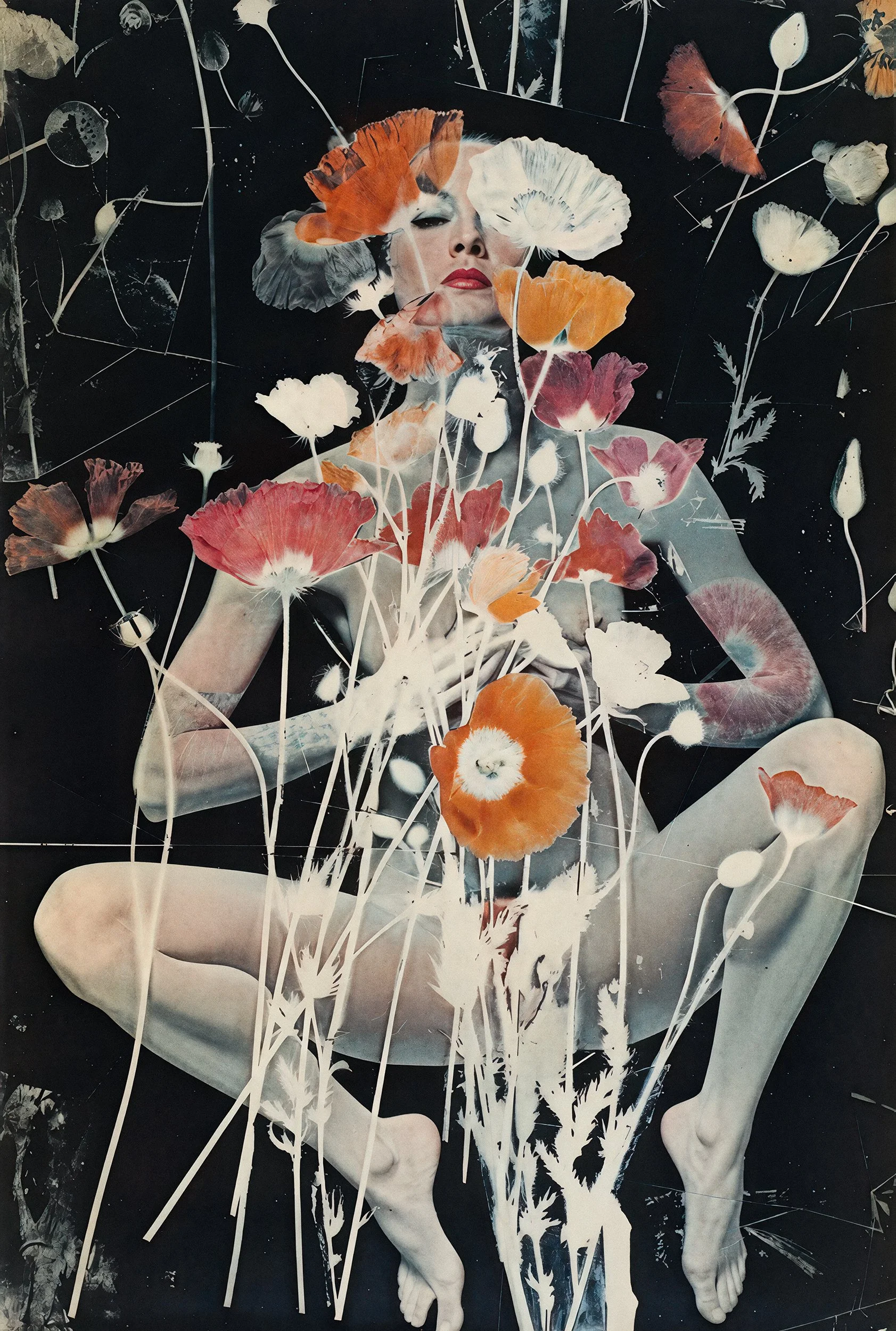
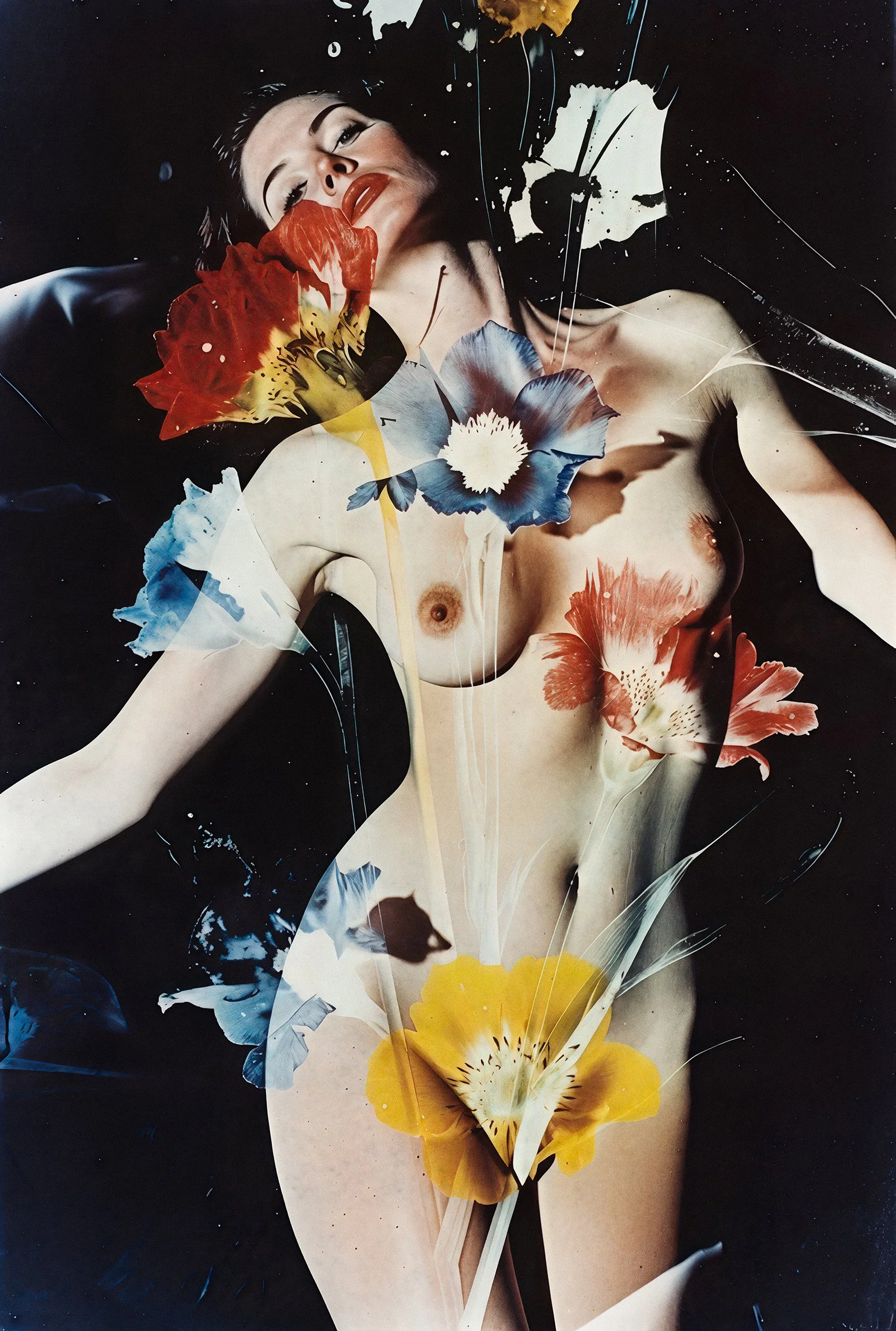
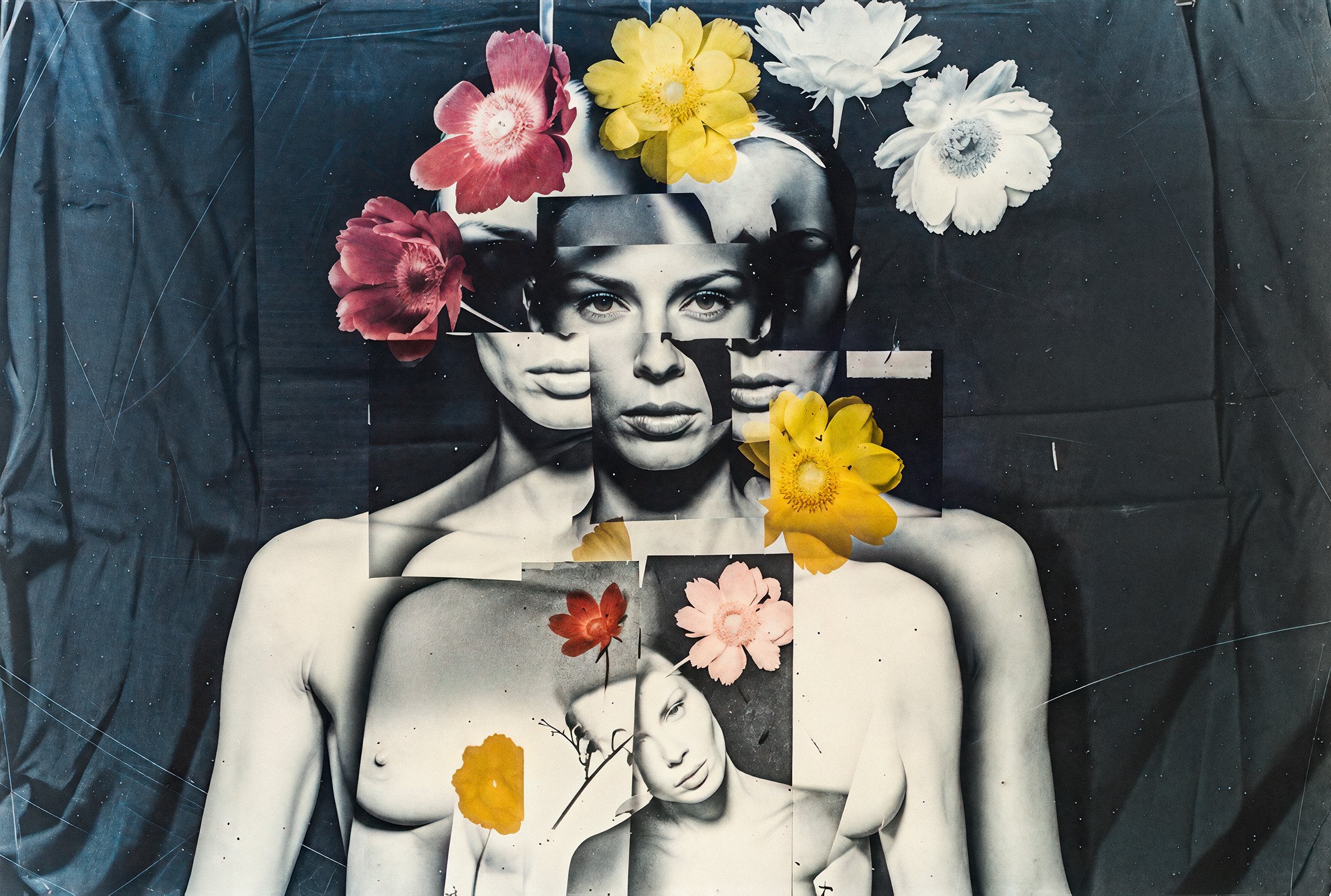
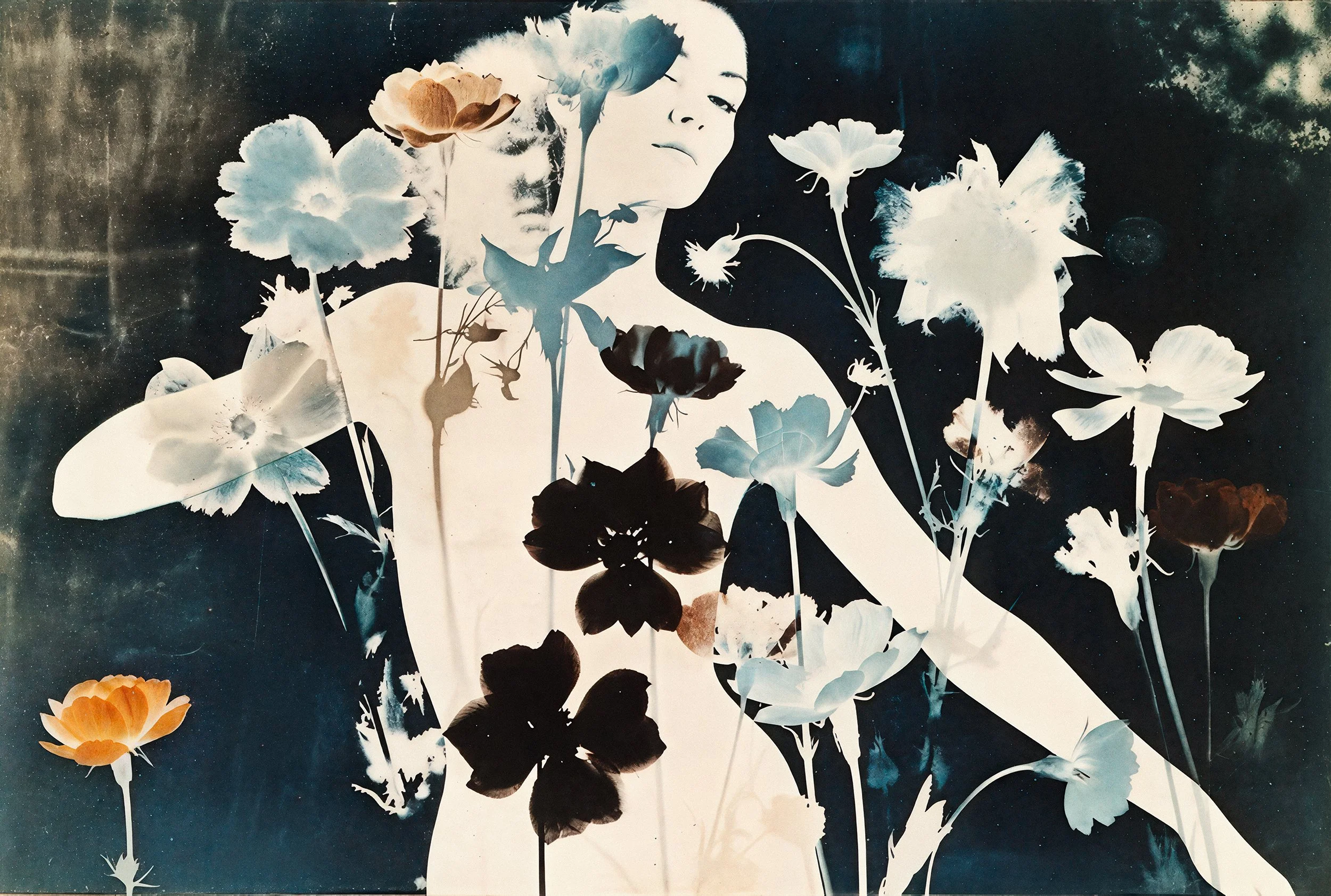
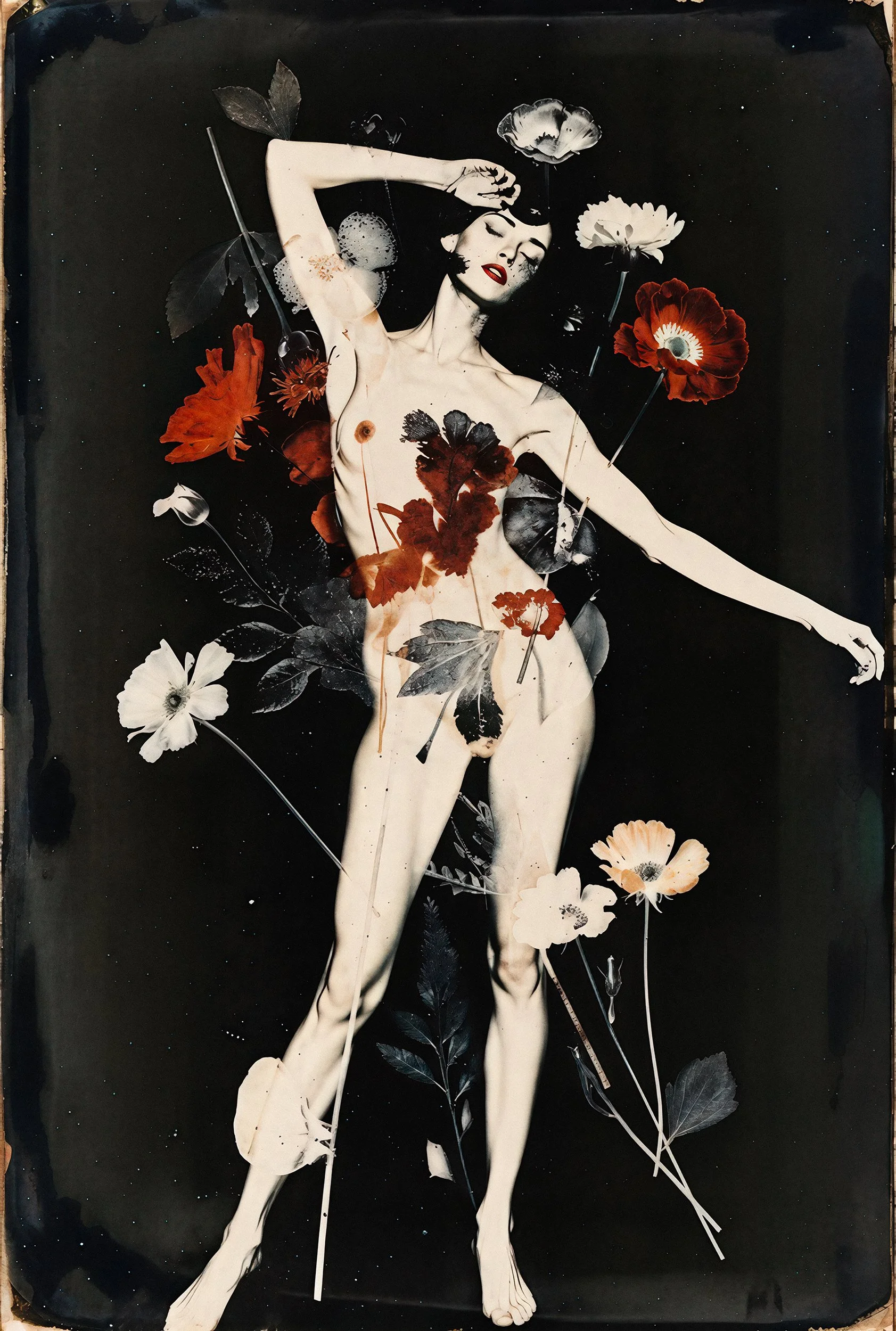
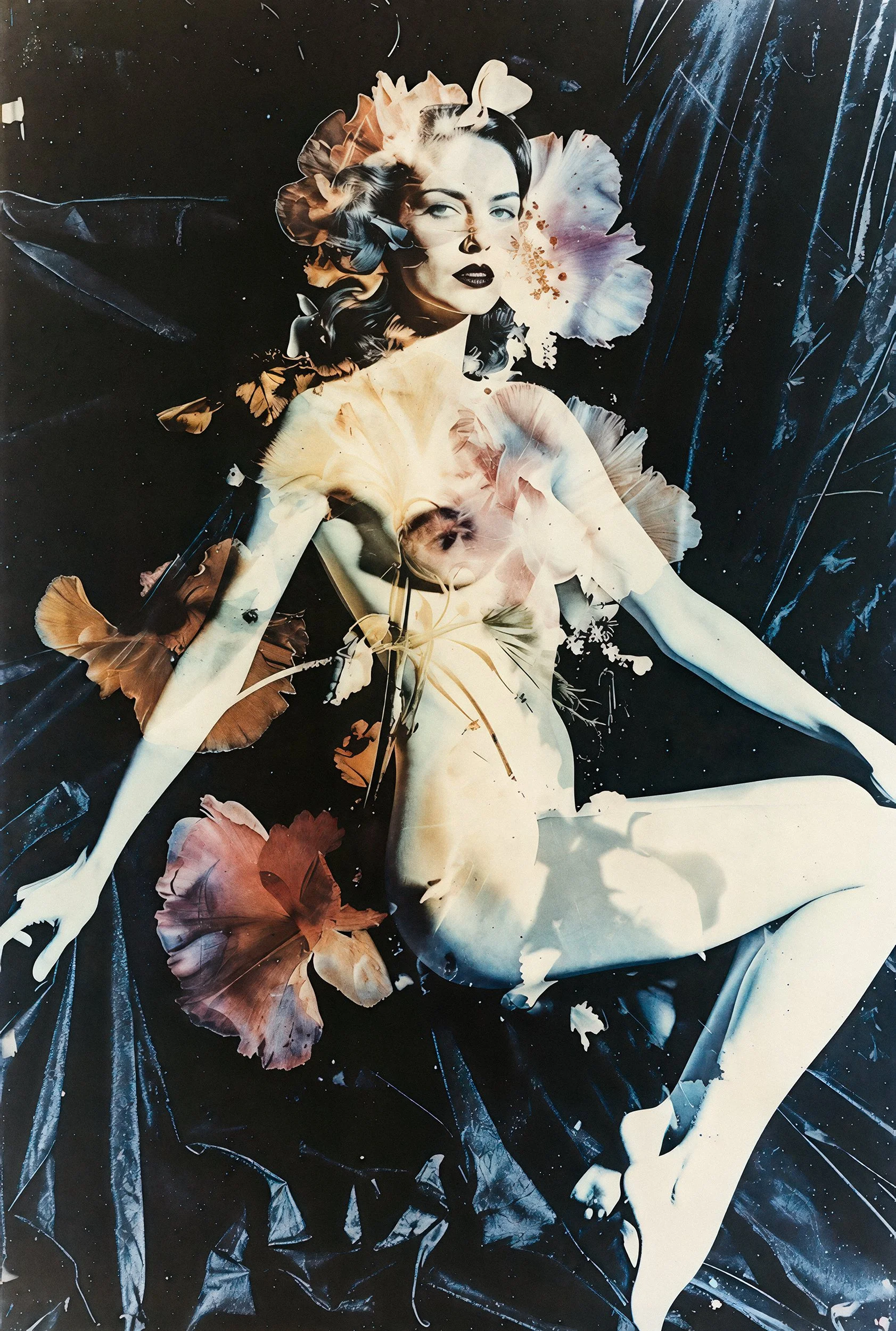
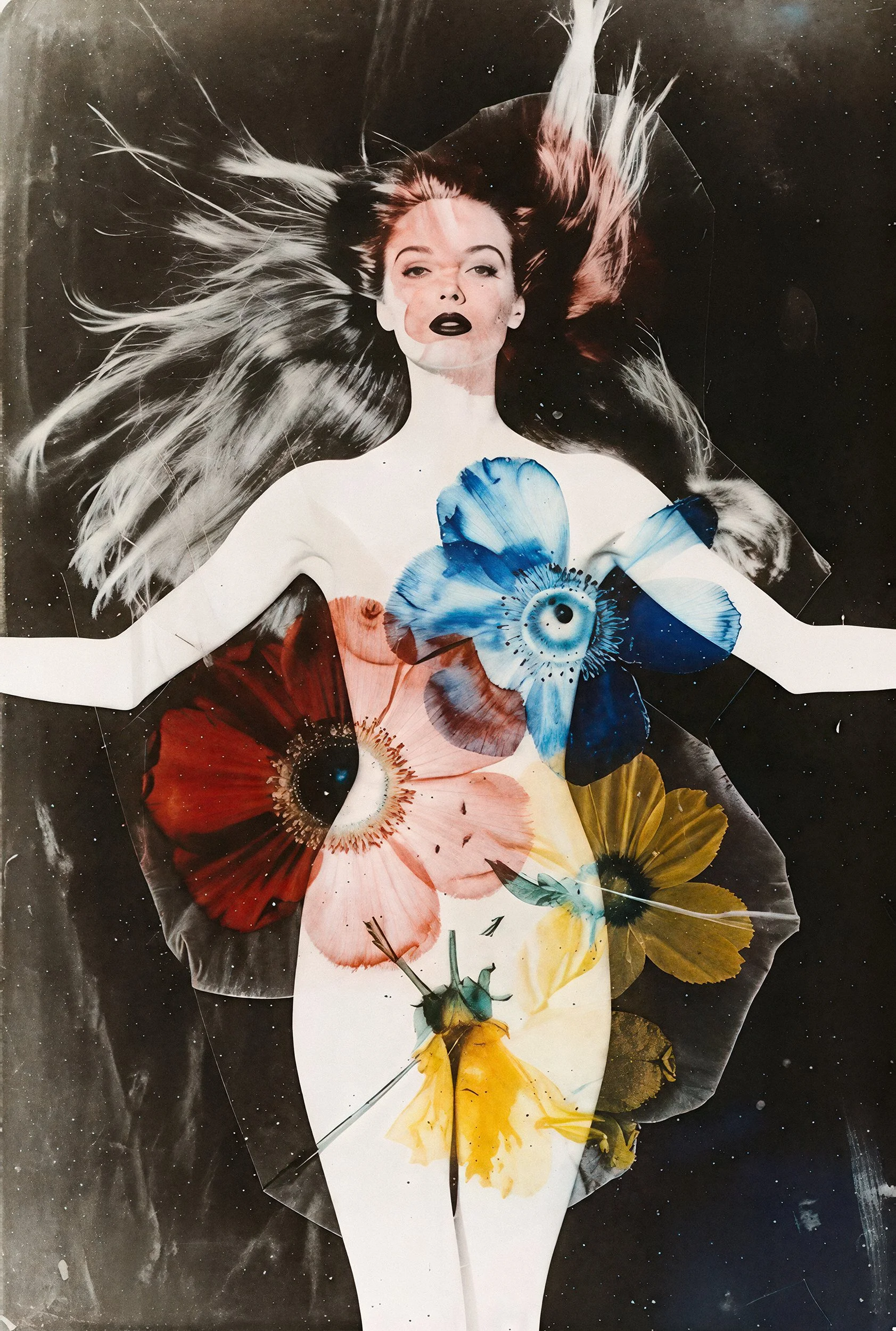
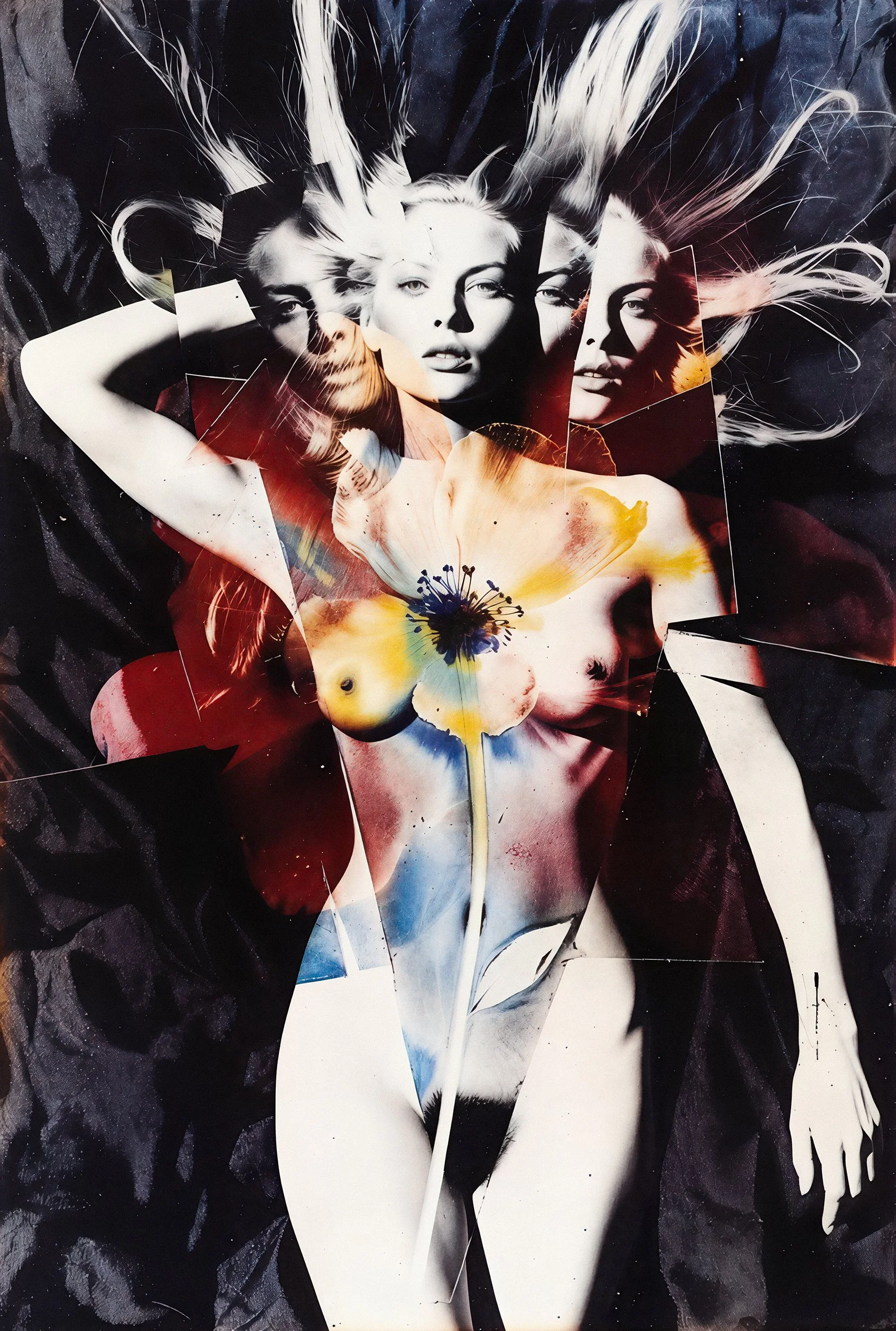
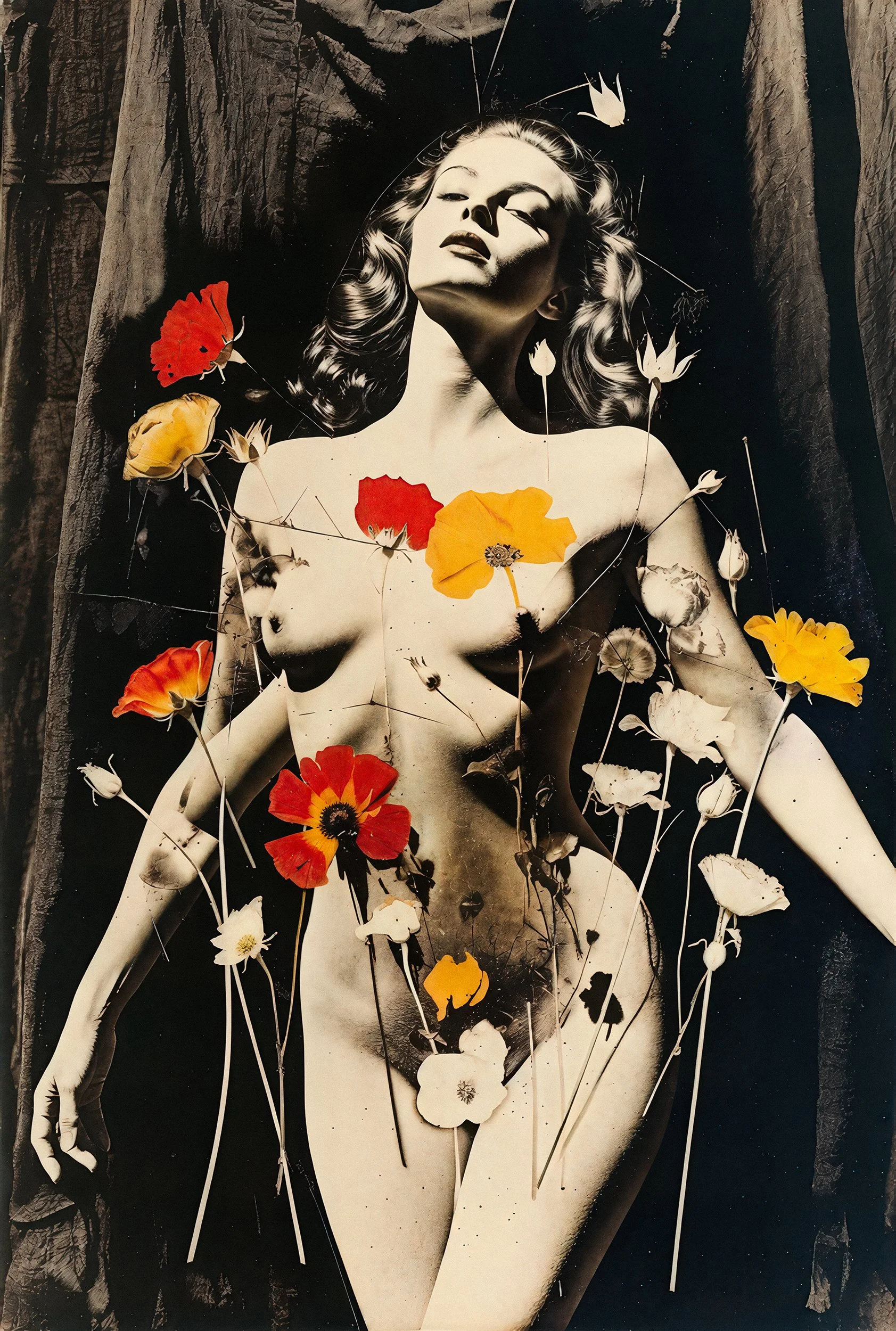
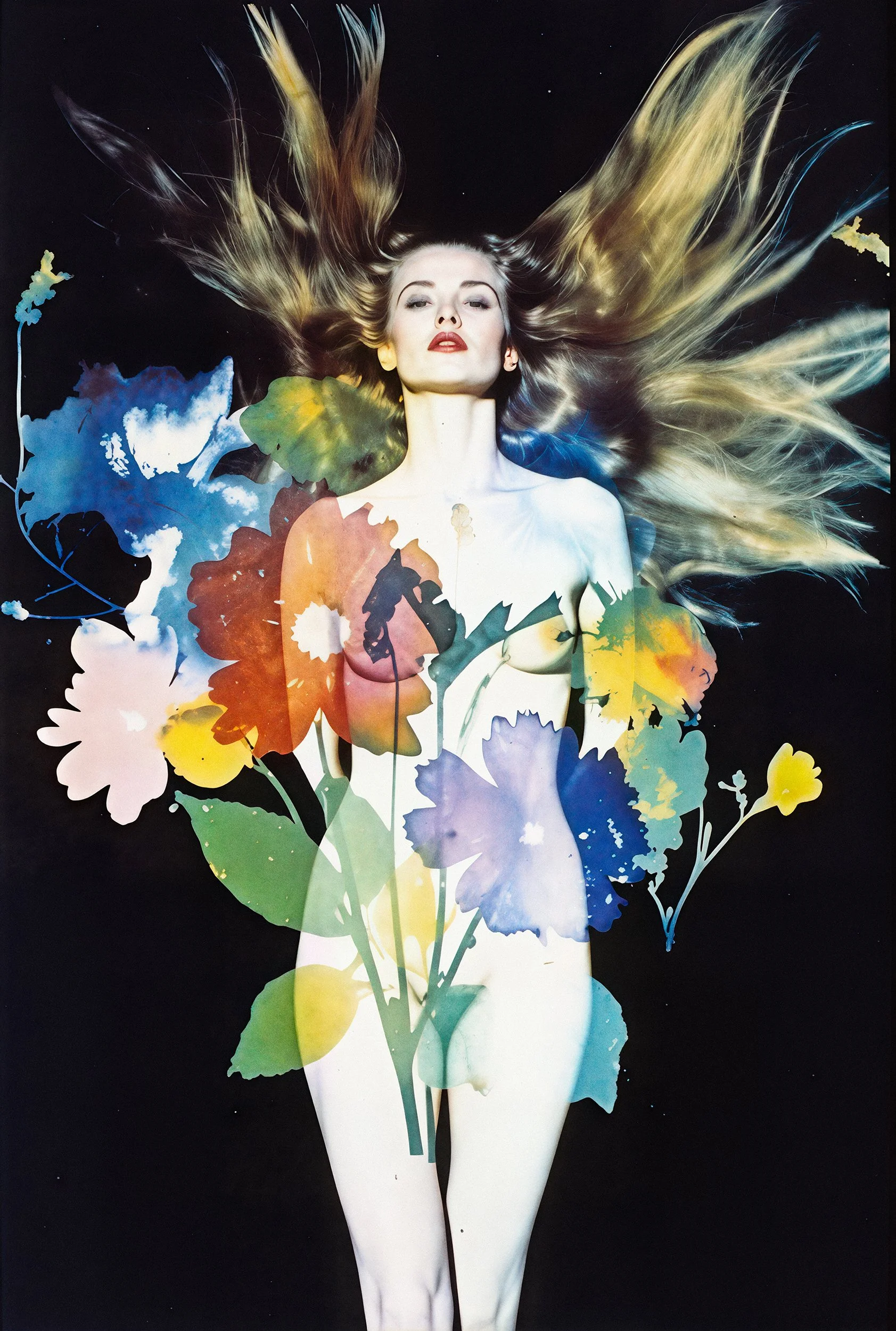
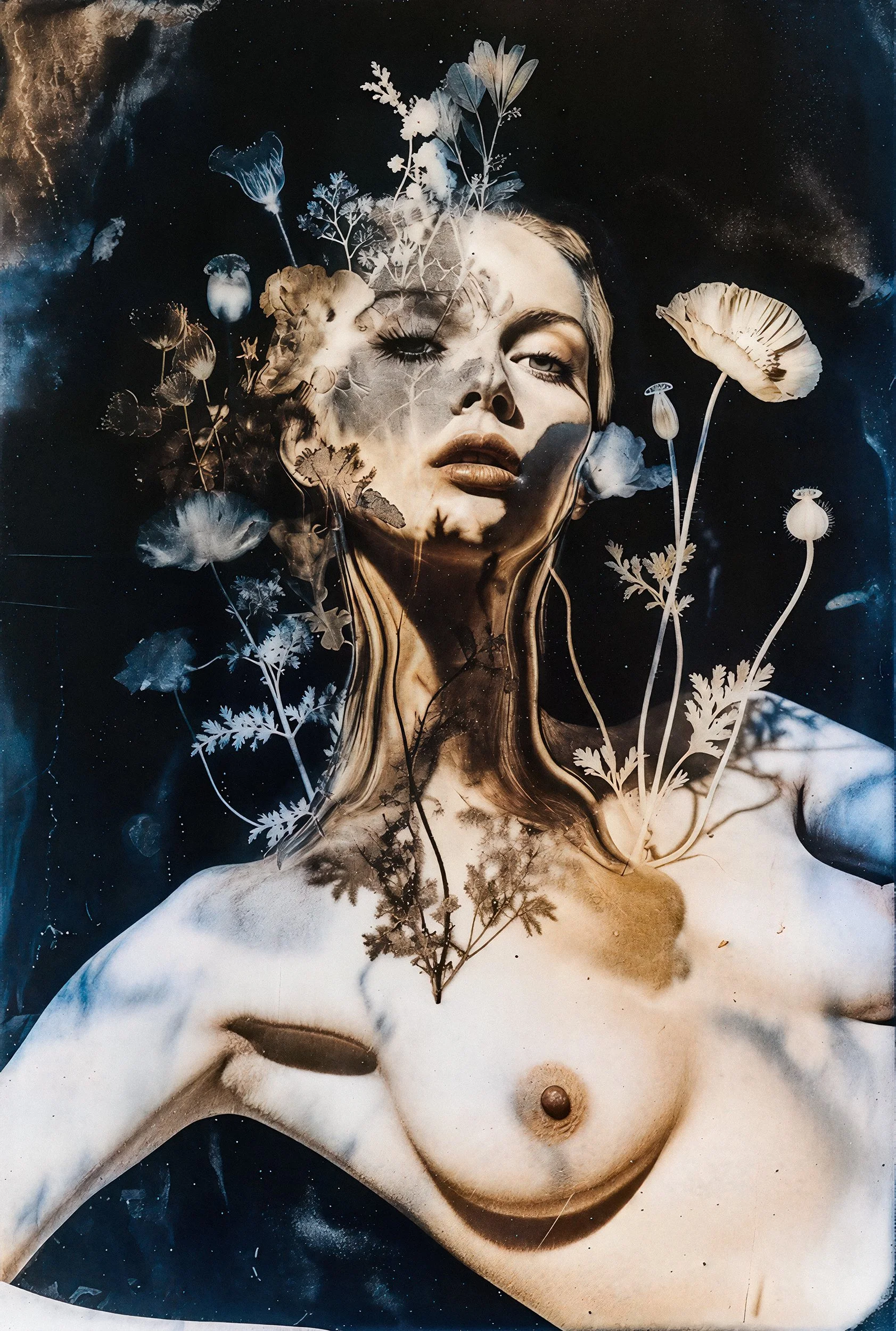
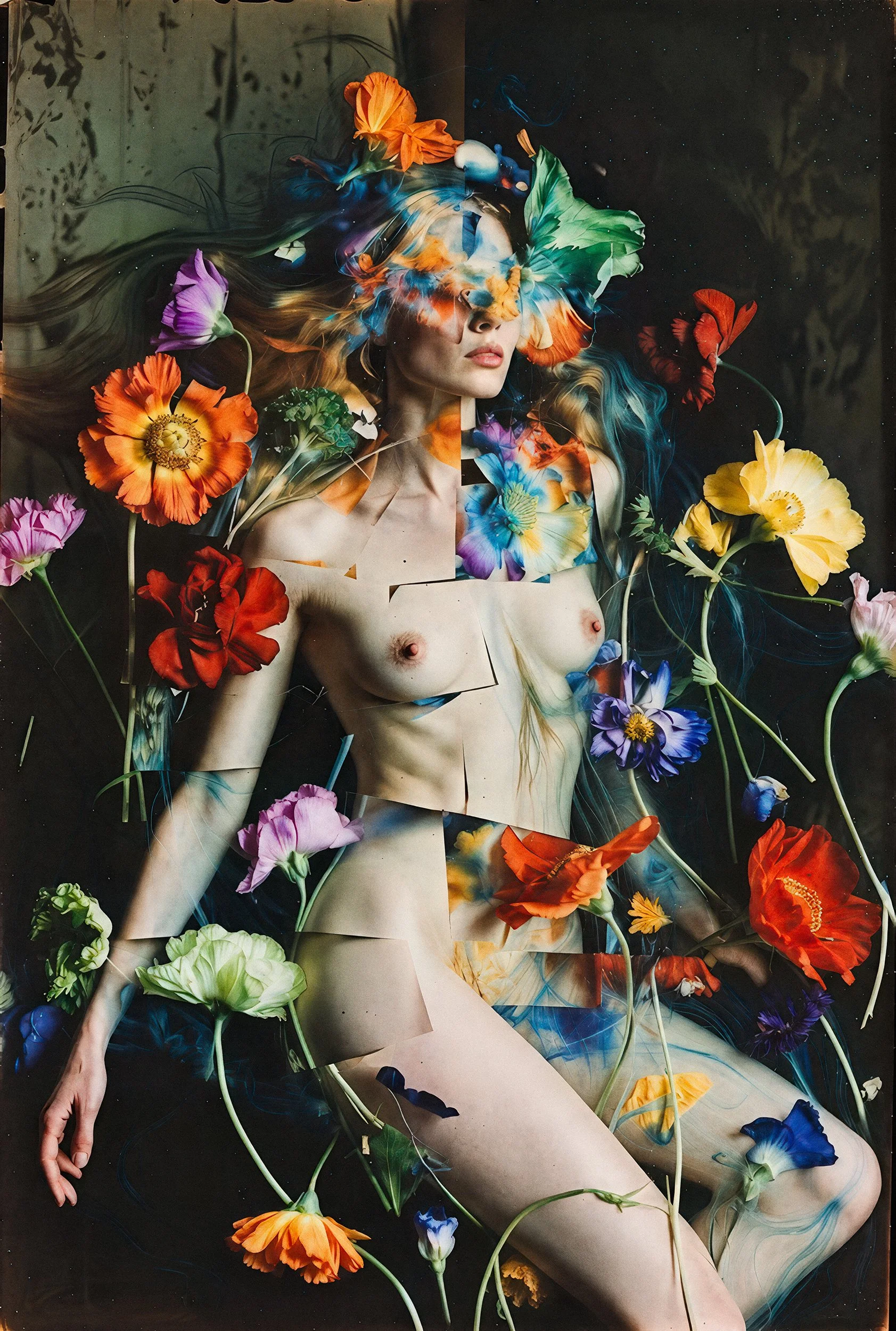
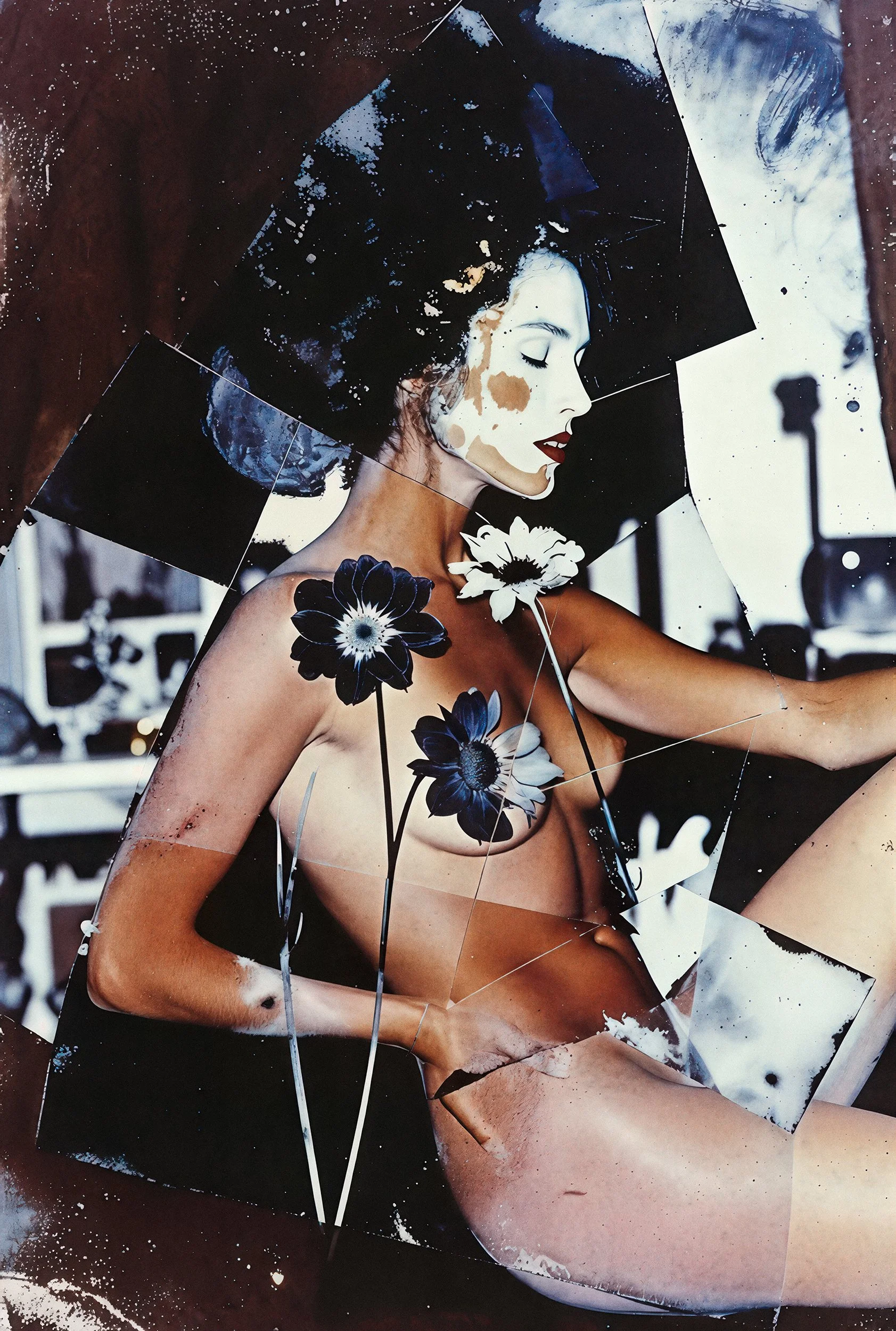
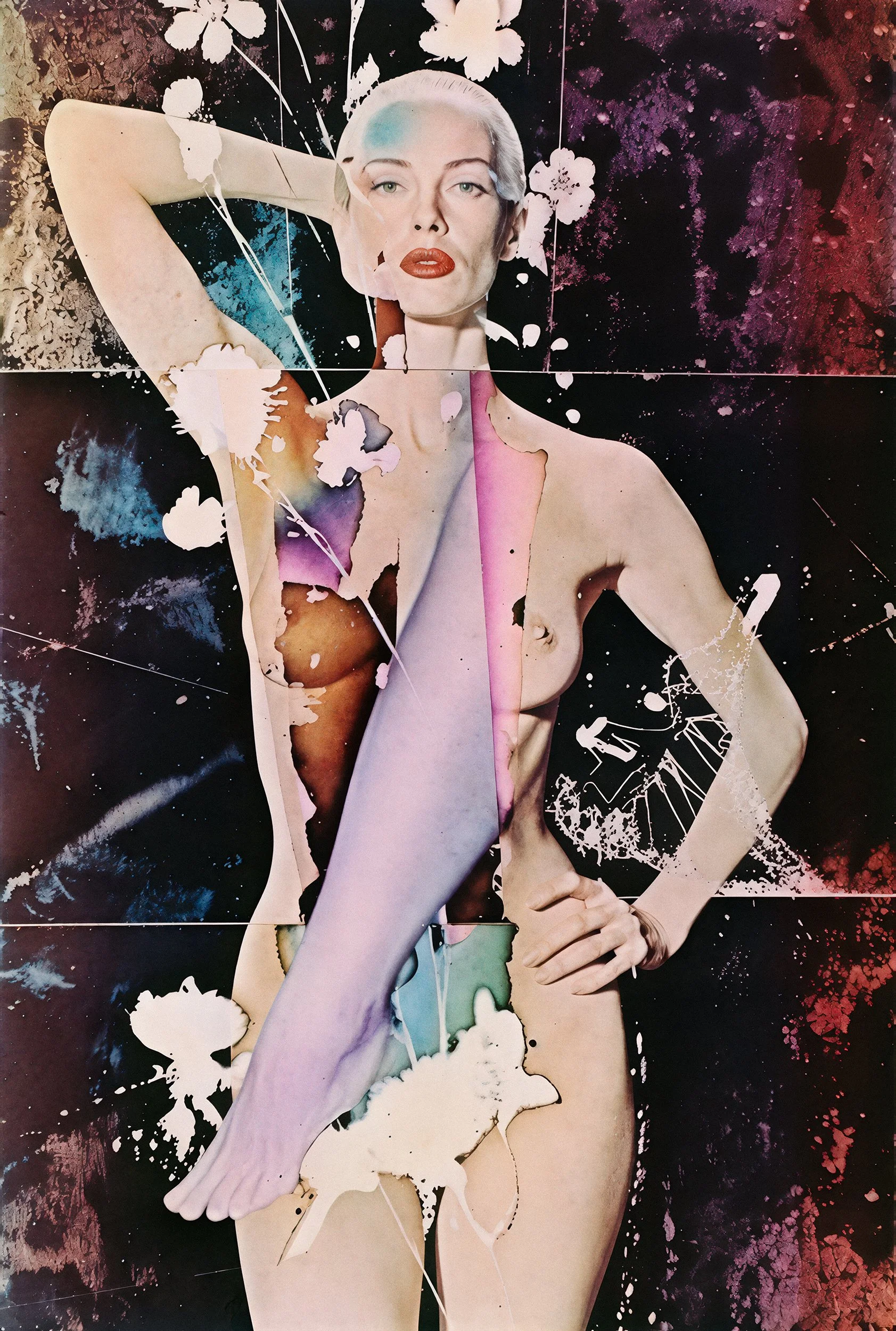
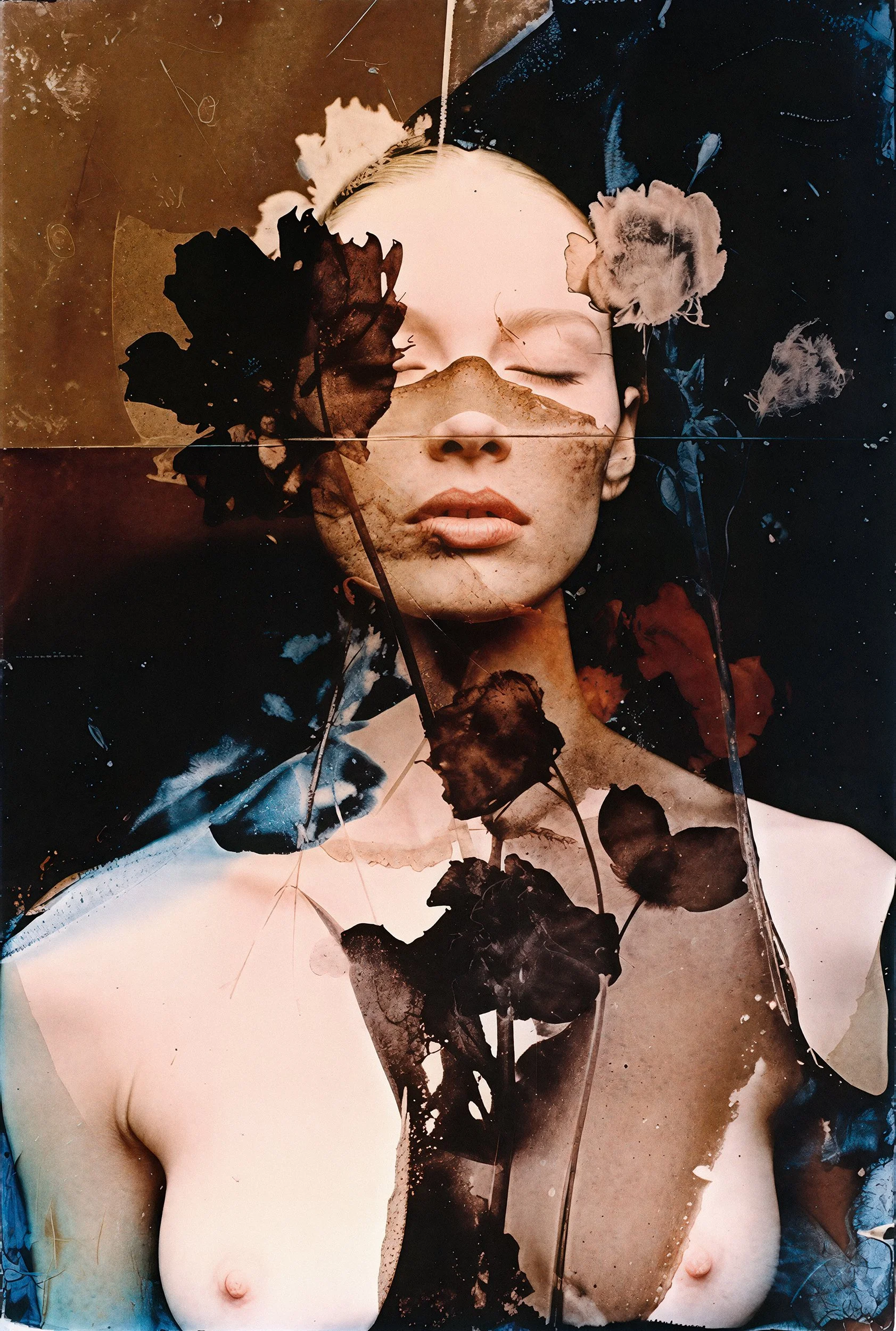
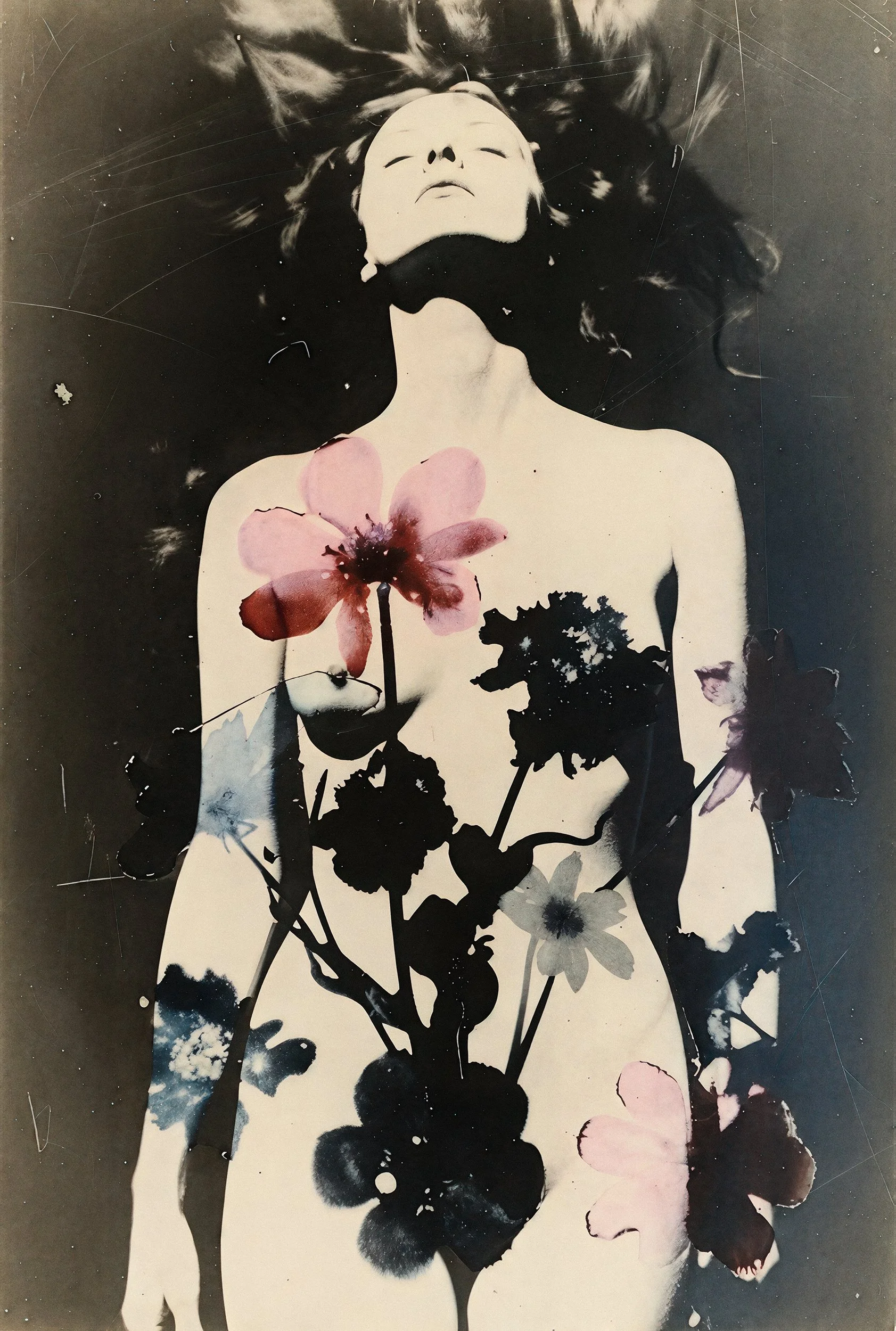
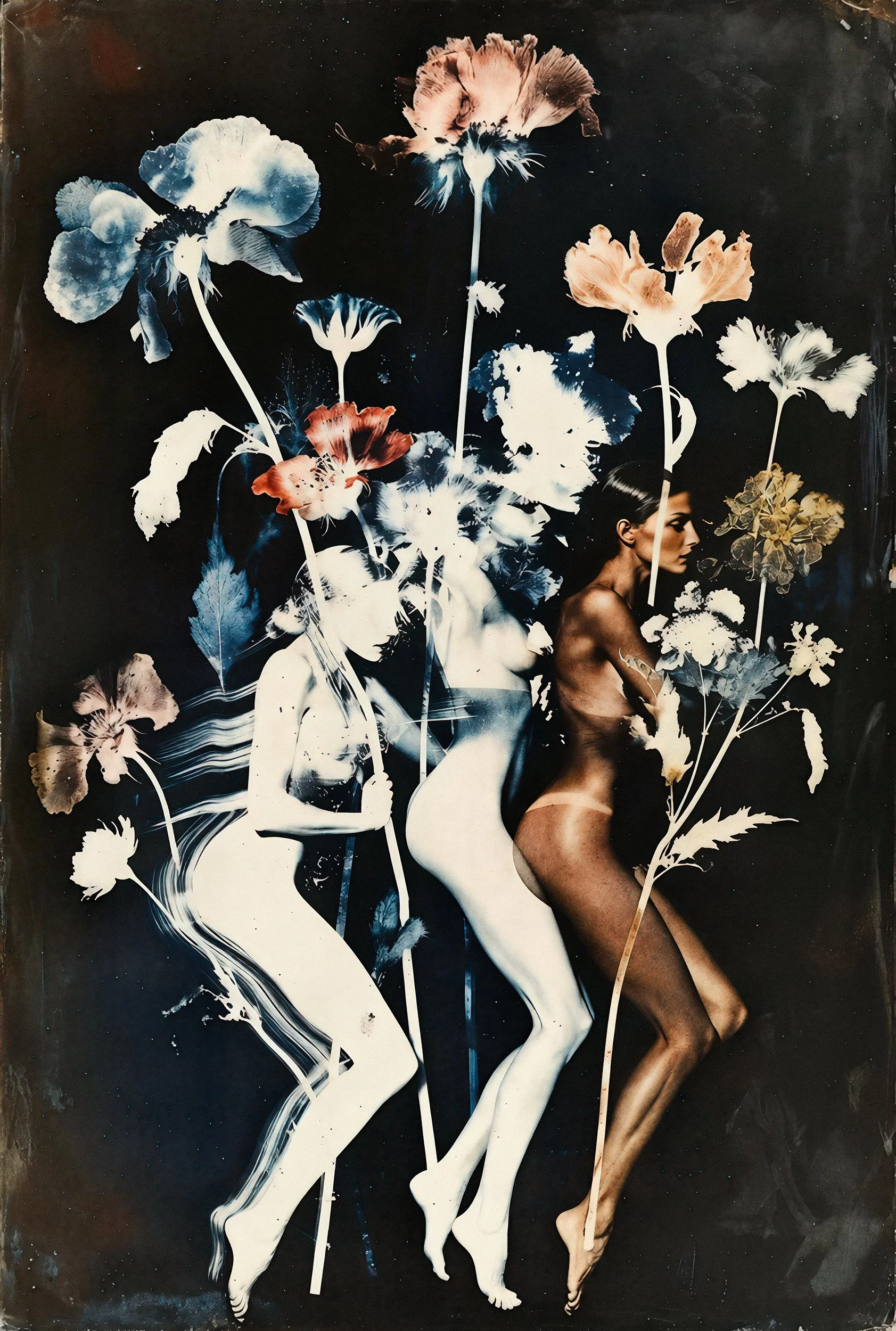
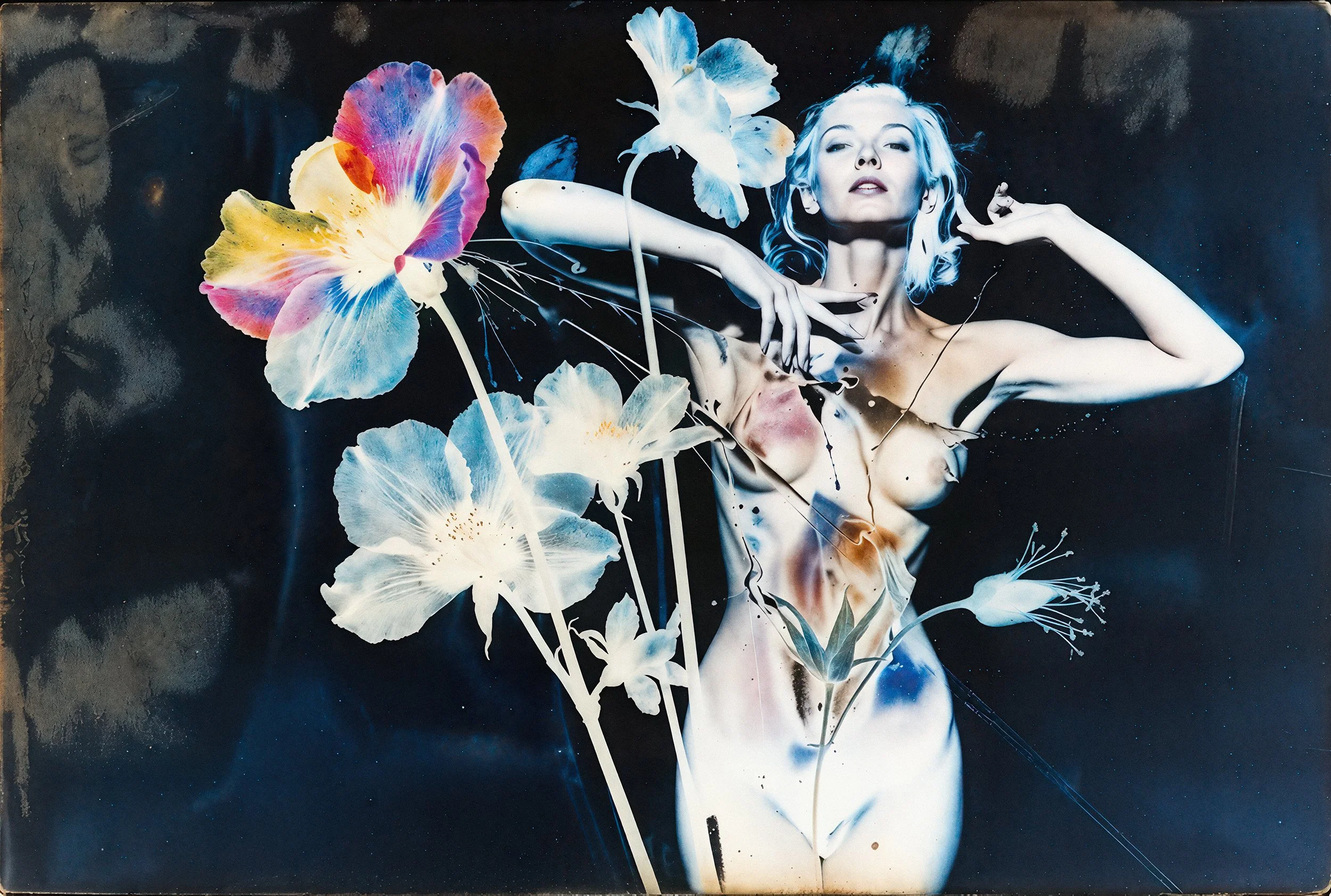
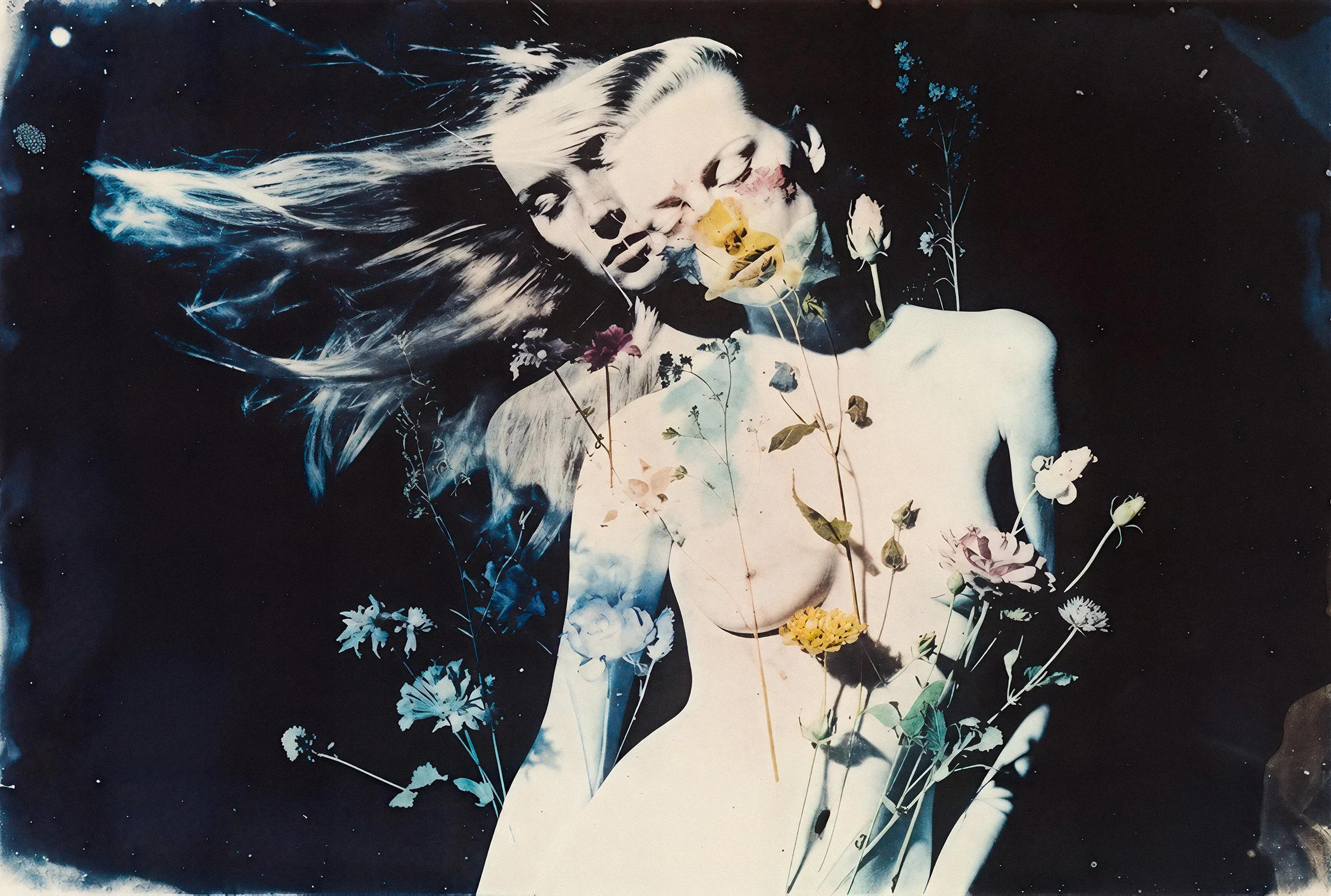
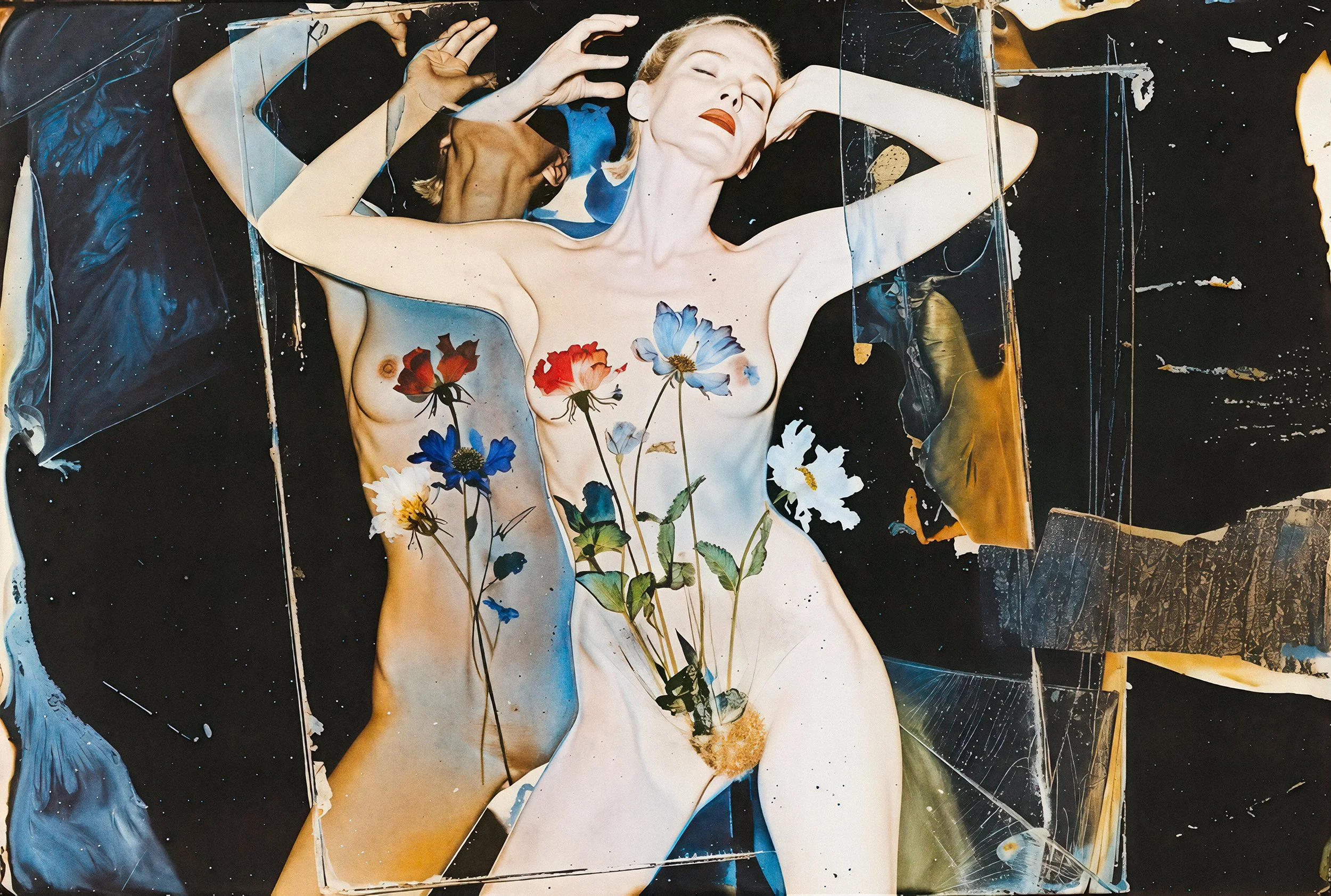
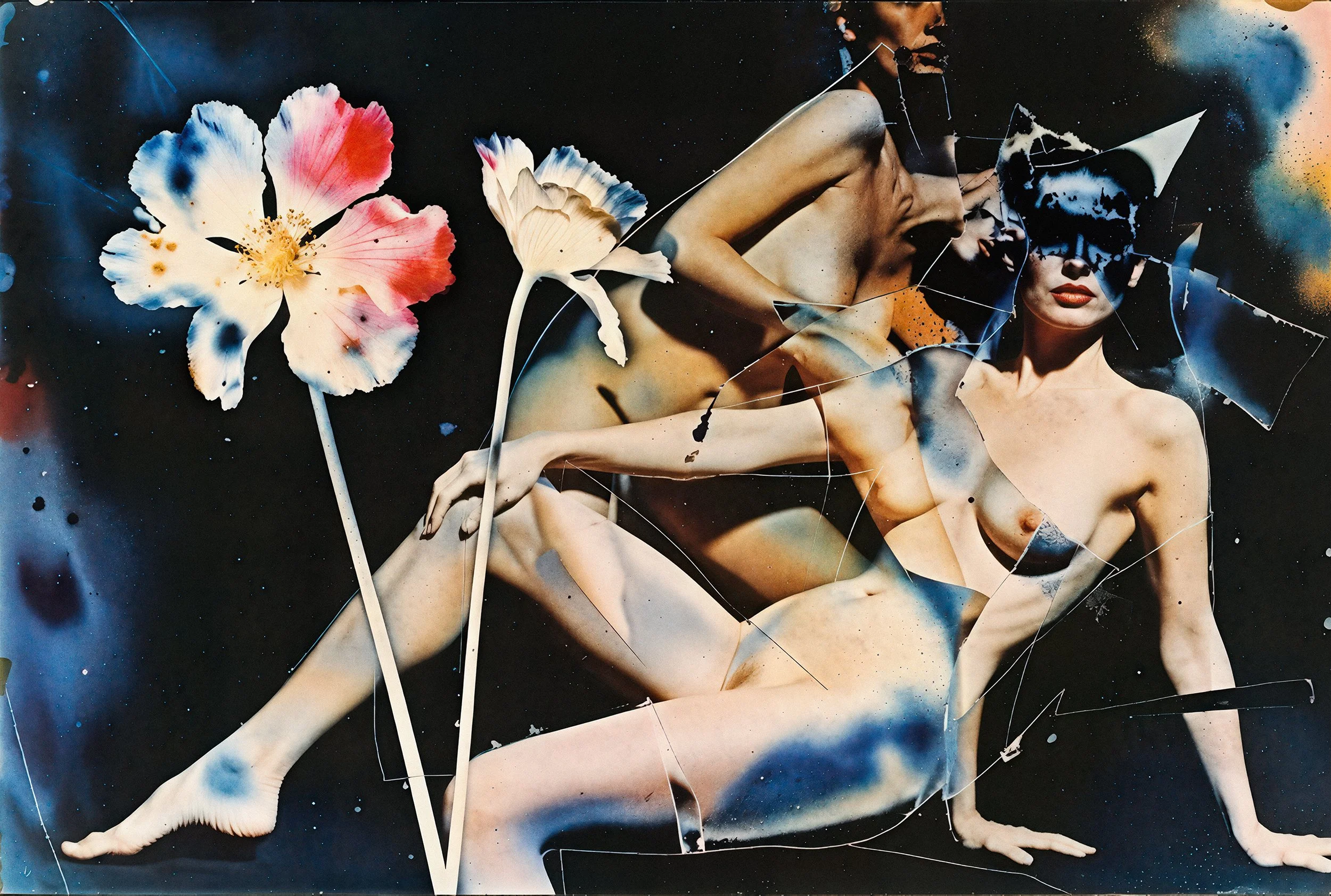
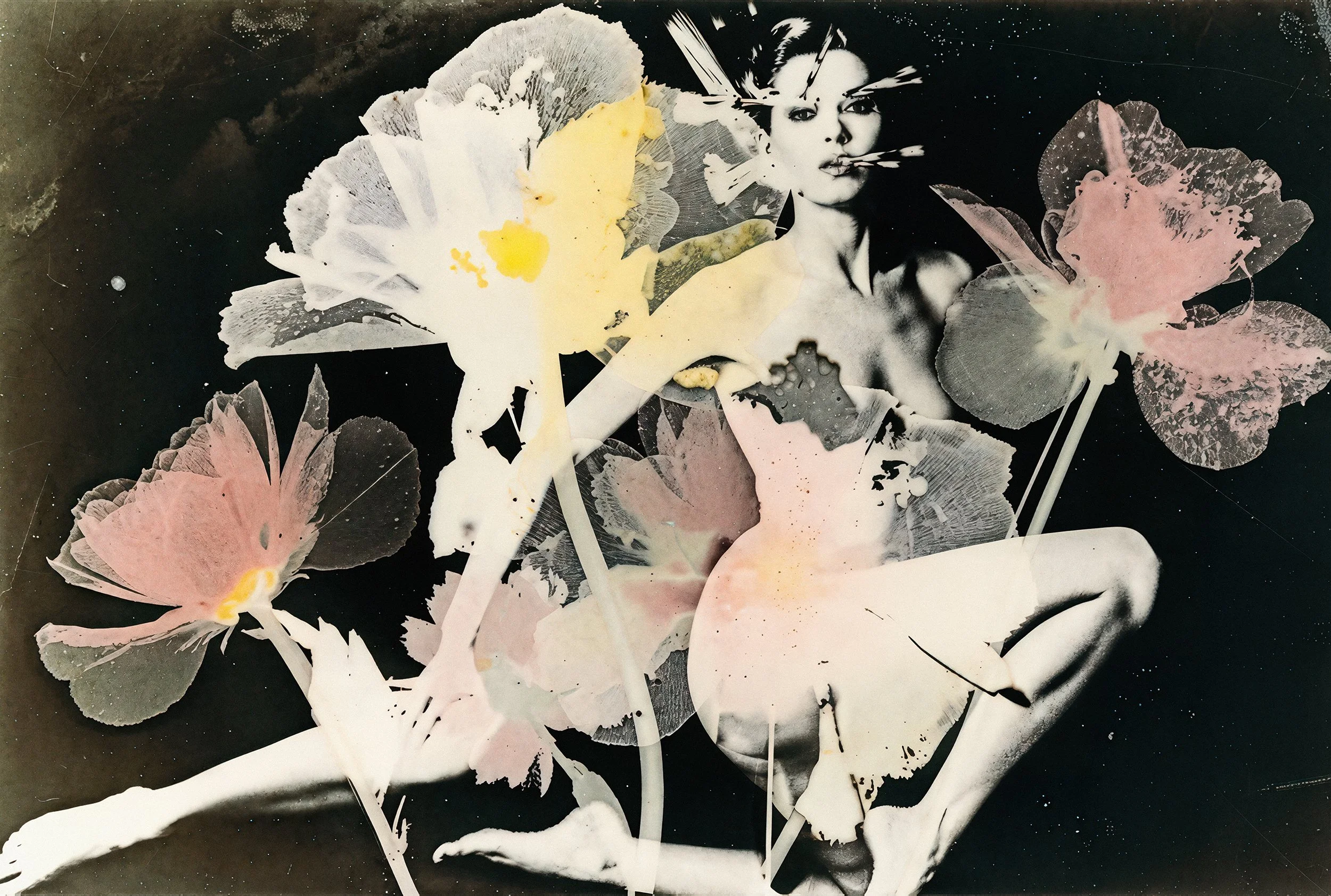
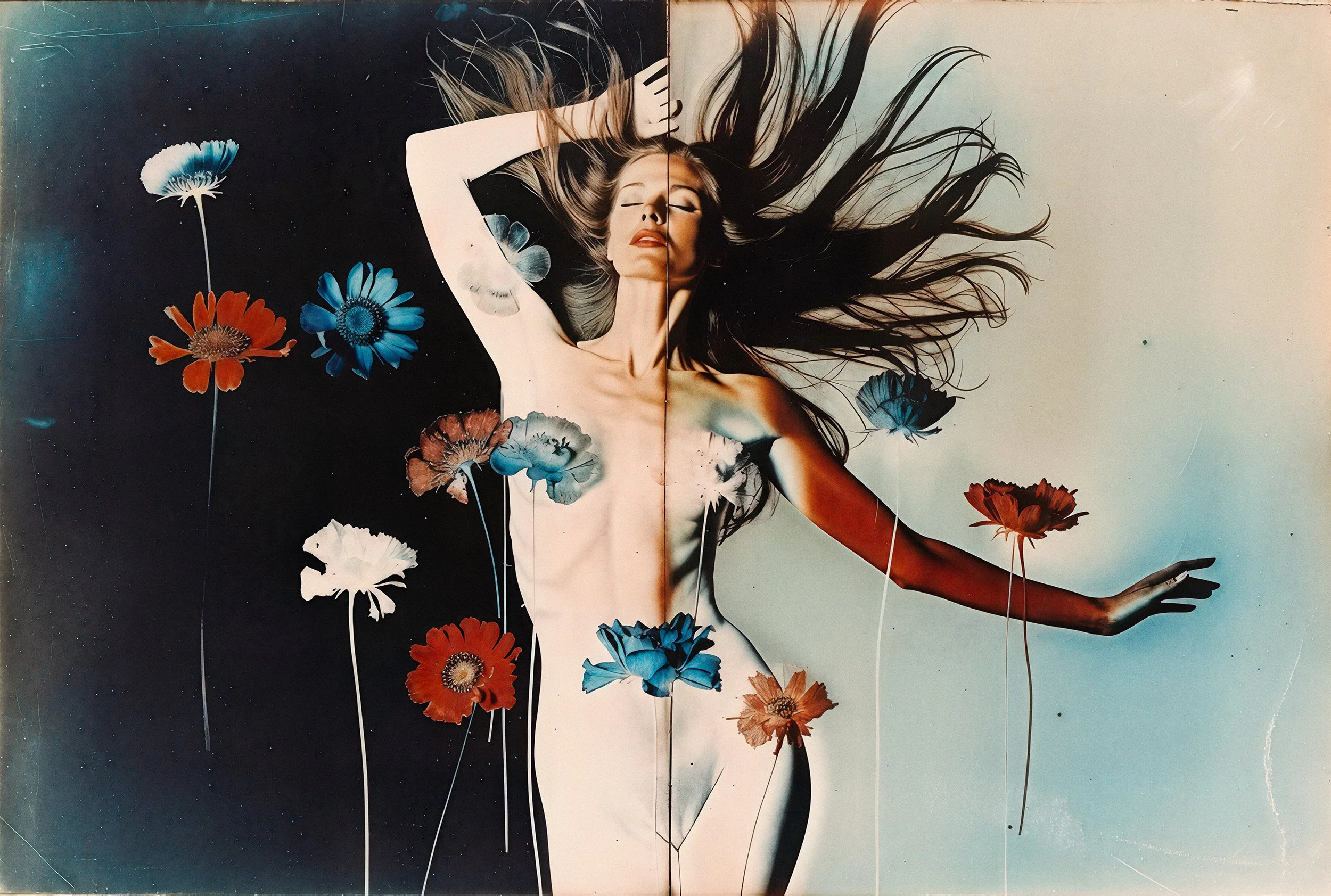
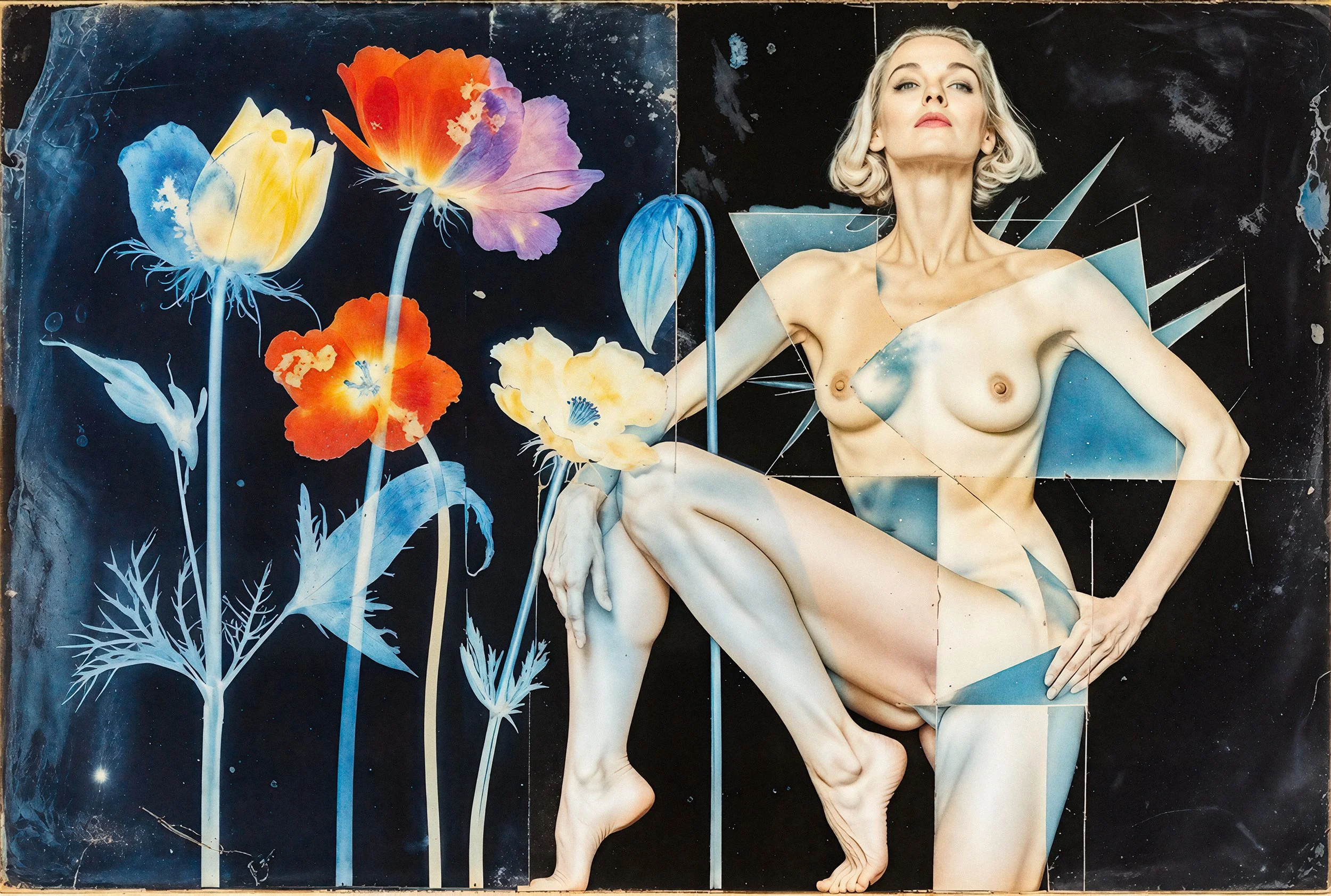
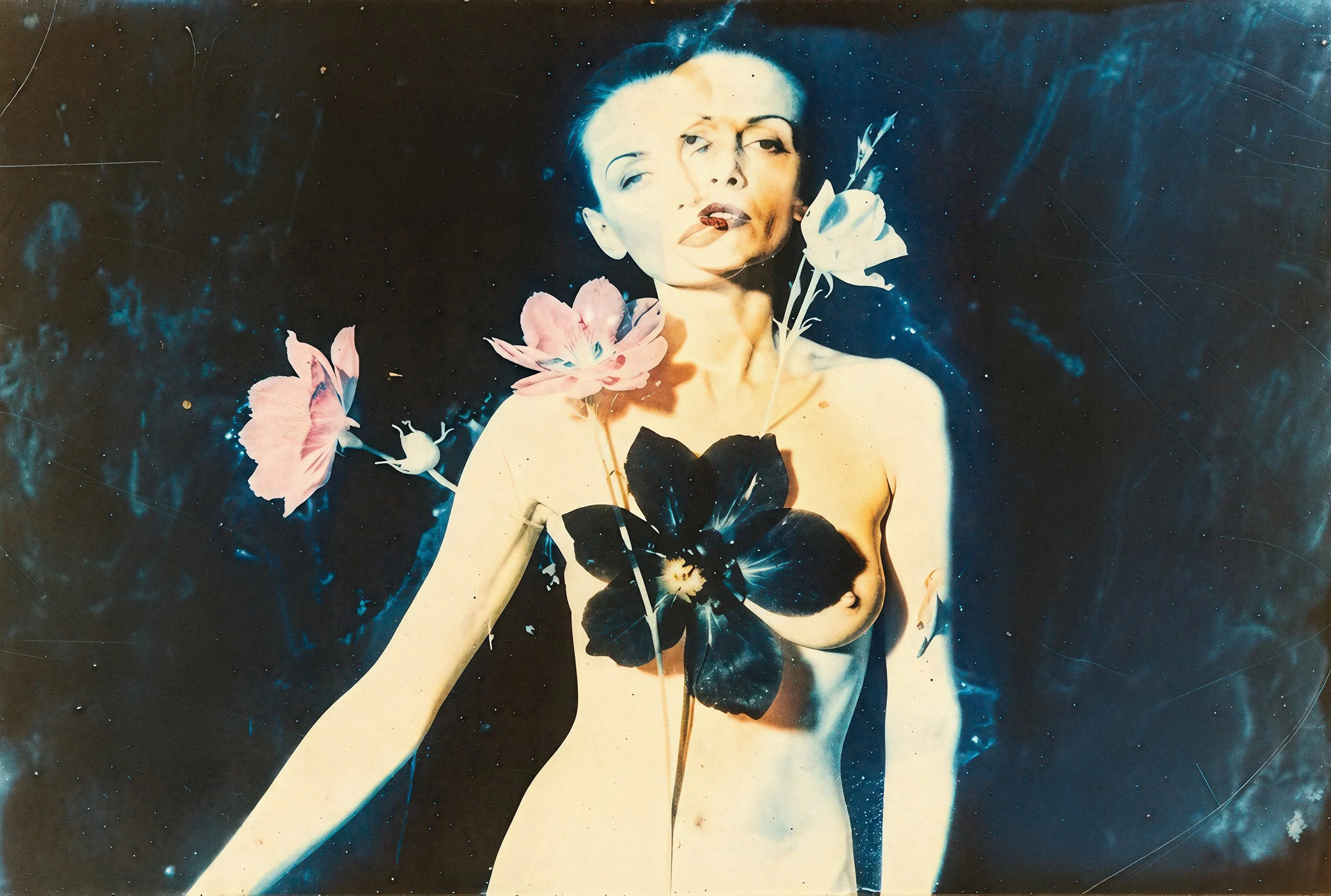
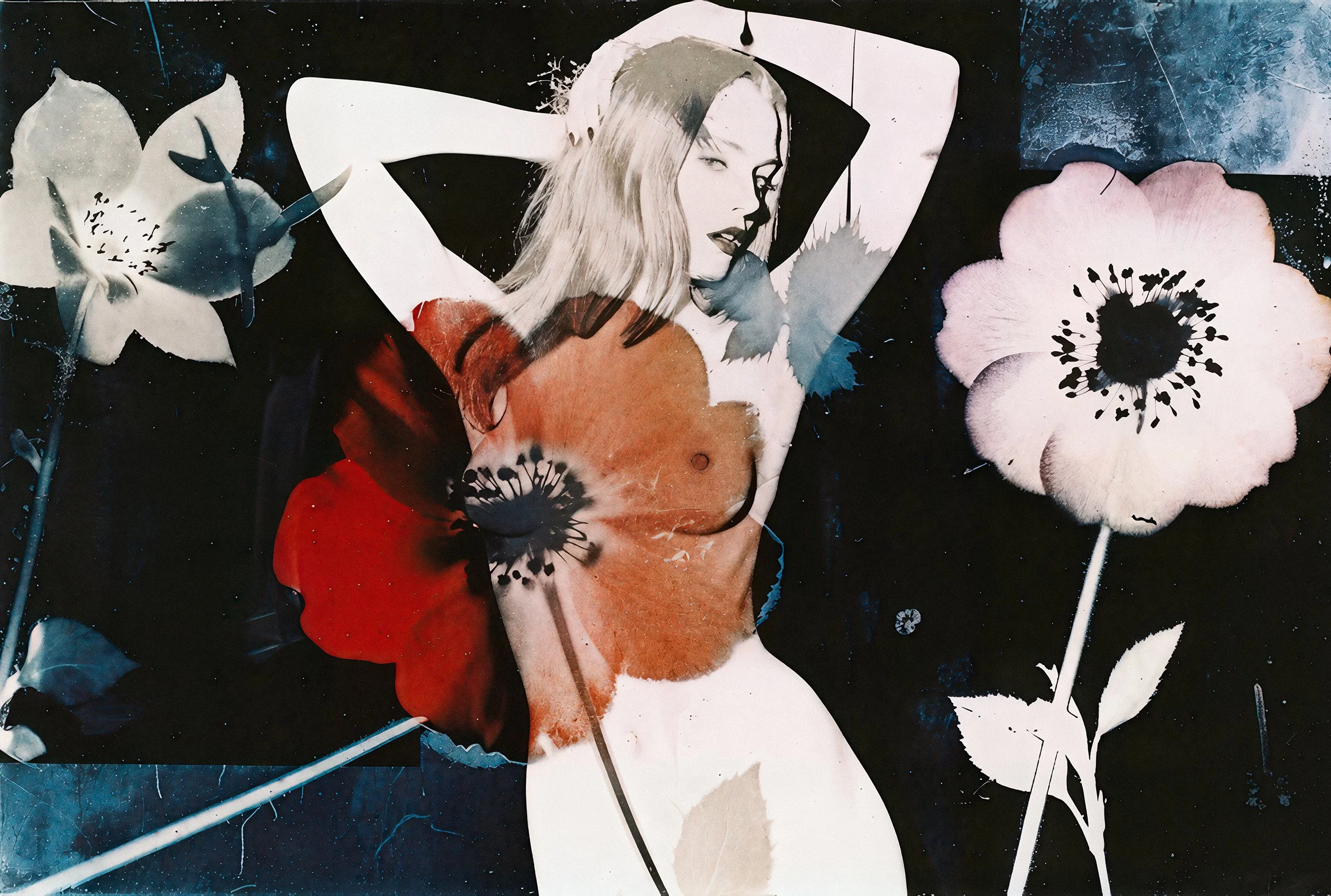
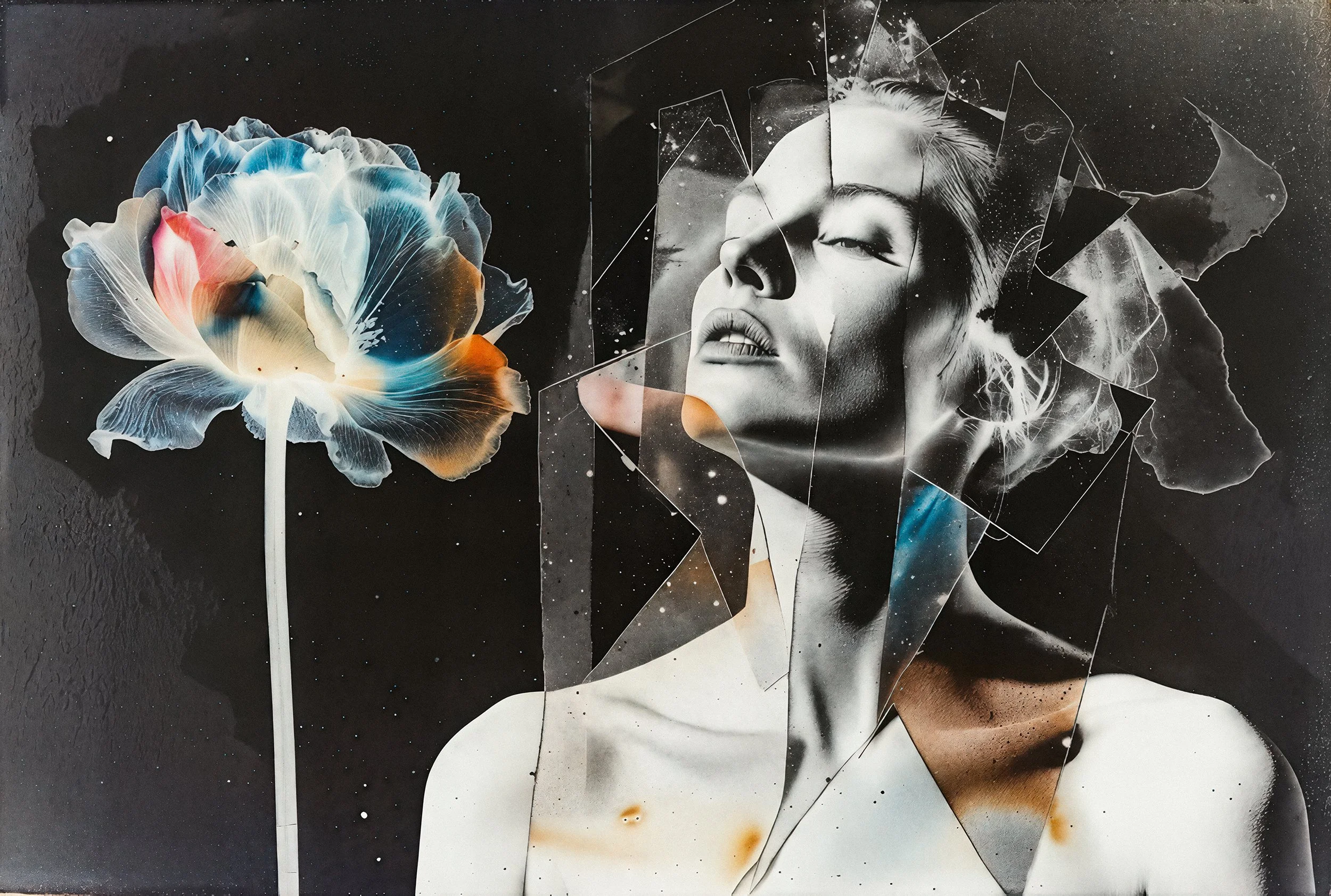
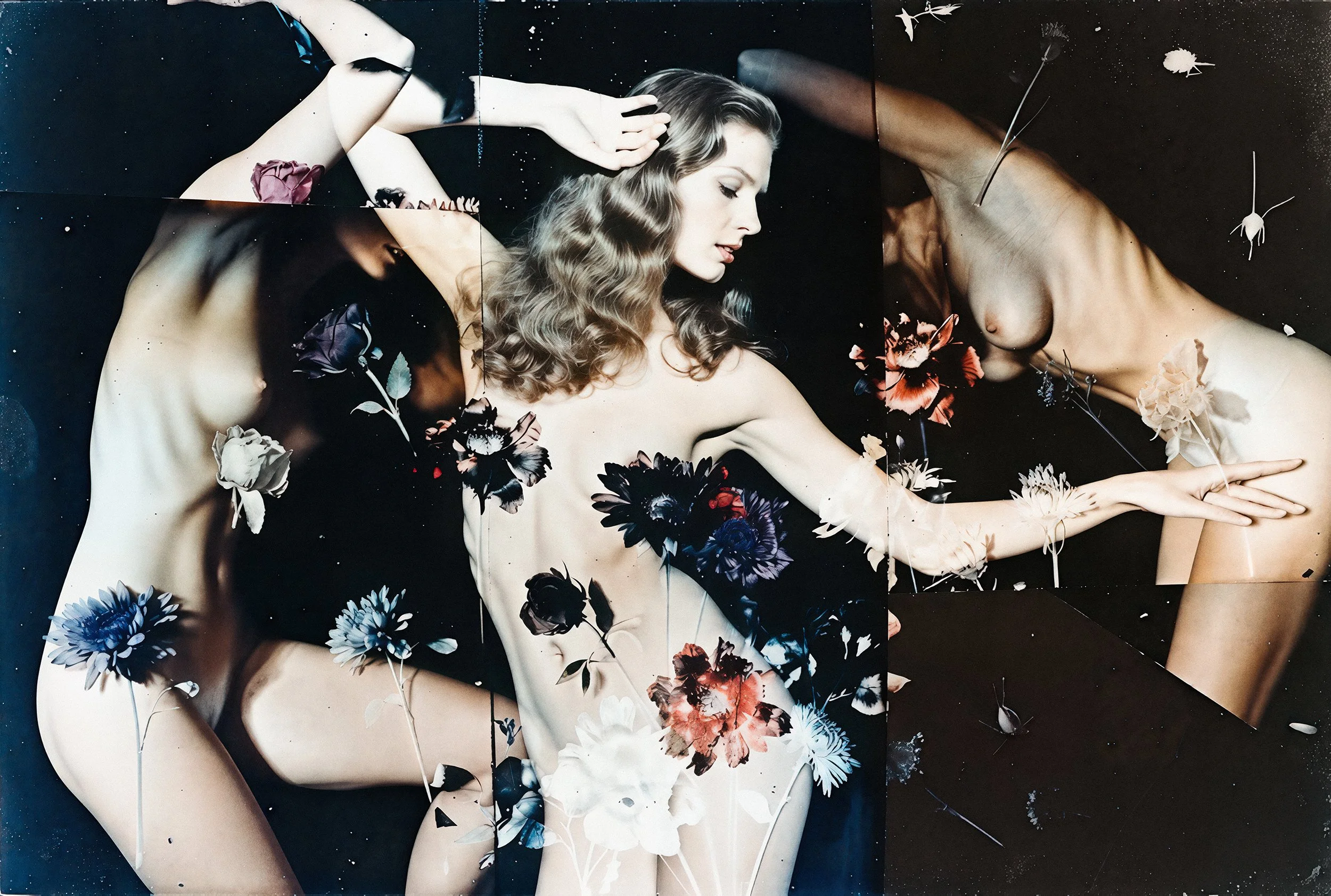
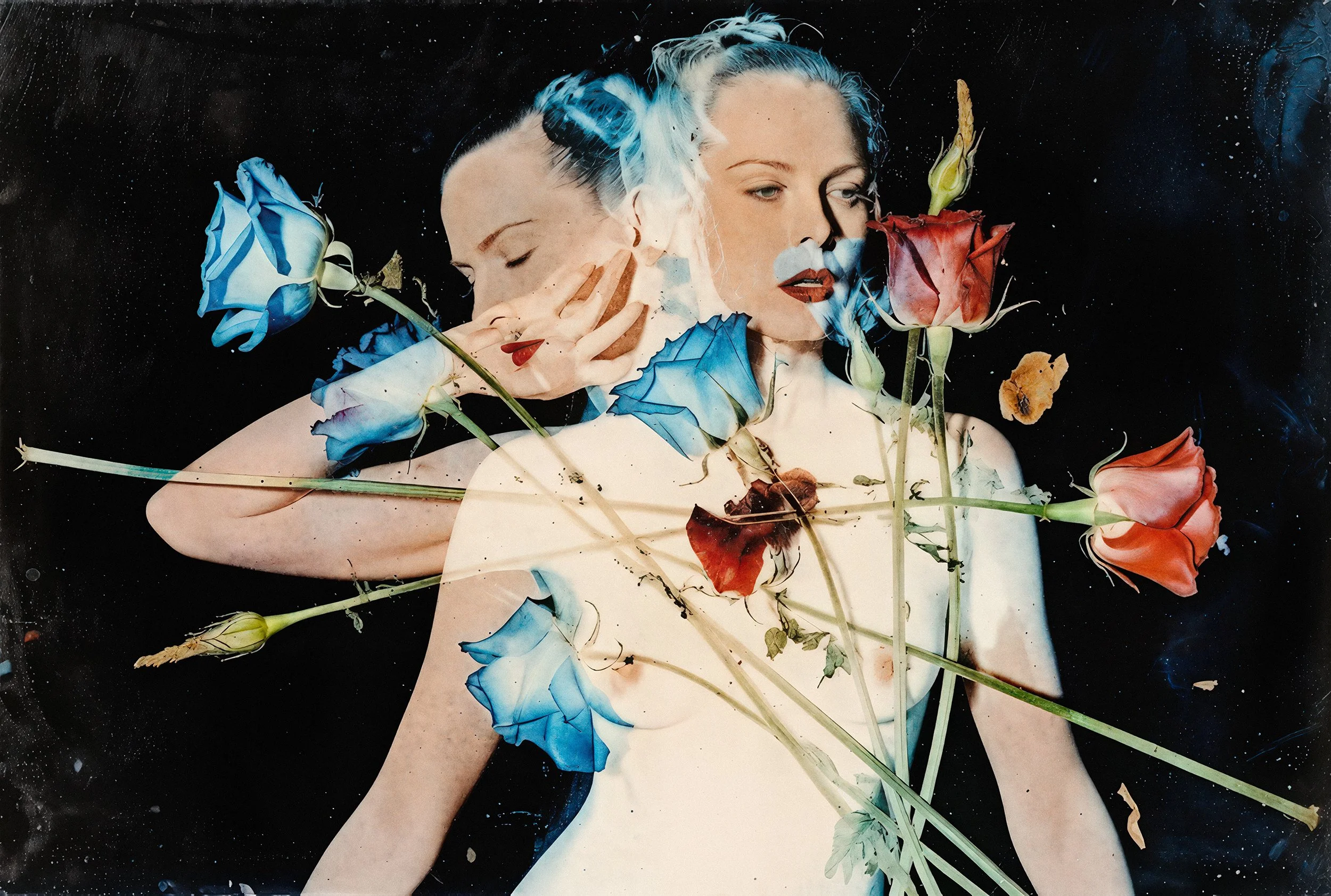
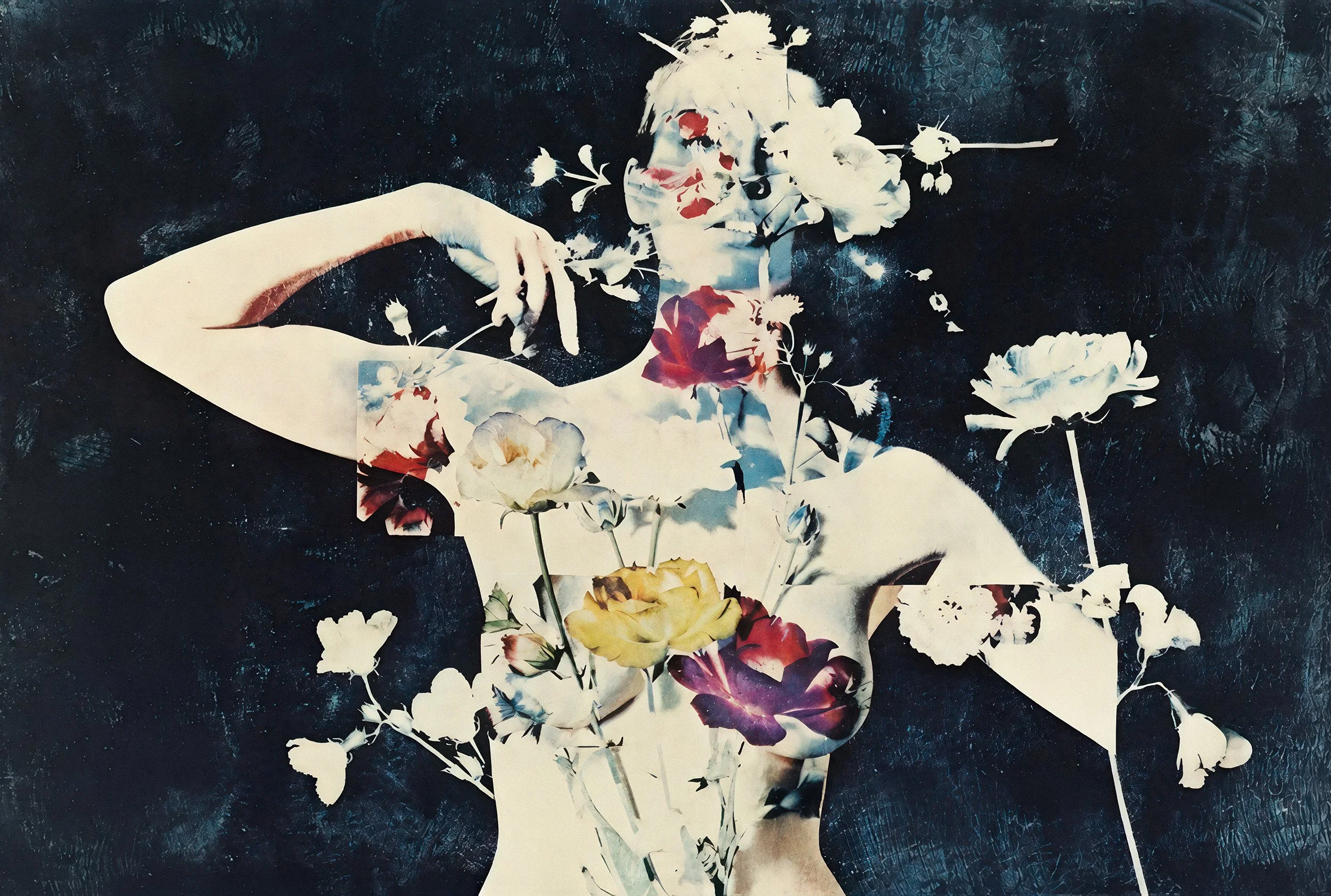
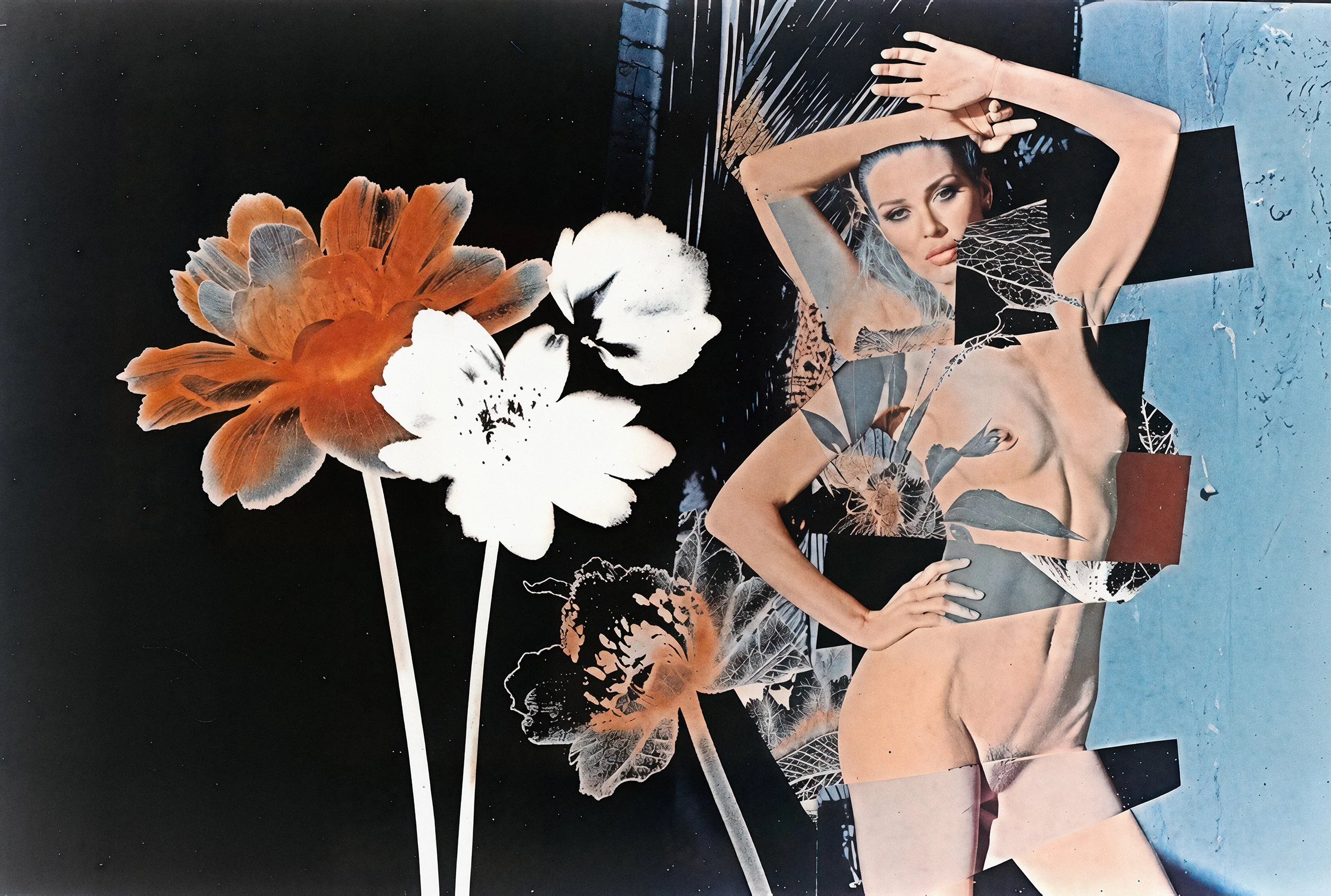
The series “Synth Vanitas” (Artificial Transience) is a critical engagement with AI-generated art. It deliberately plays with the metaphors of transience, beauty, and life, using the two most classic symbols for these themes: the flower and the young, beautiful, nude woman. Both stand as ultimate emblems of life precisely because they make its finitude visible. The series invokes the memento mori idea (“Remember that you must die”). This applies not only to us humans, but also to stylistic epochs and artistic techniques.
Conventional photography captures a real, actually occurred moment—it shows something that truly existed. The photograph points to what once was but is no longer. In synthography, by contrast, the depicted moment never existed. The people shown never lived; the flowers never bloomed. The AI imitates and suggests a reality that never took place. What we see is perfect illusion—pure fantasy.
Medium: Digital Collage / Synthography, 2026
Edition of 1 (Each image is a unique, one-of-a-kind work).
150 artworks out of 1000 shown here.
No more images from this series will be created.
Size: 105 × 159 cm / 41x61in
Giclée print on Hahnemühle fine art paper.
Hand-signed and dated by the artist.