






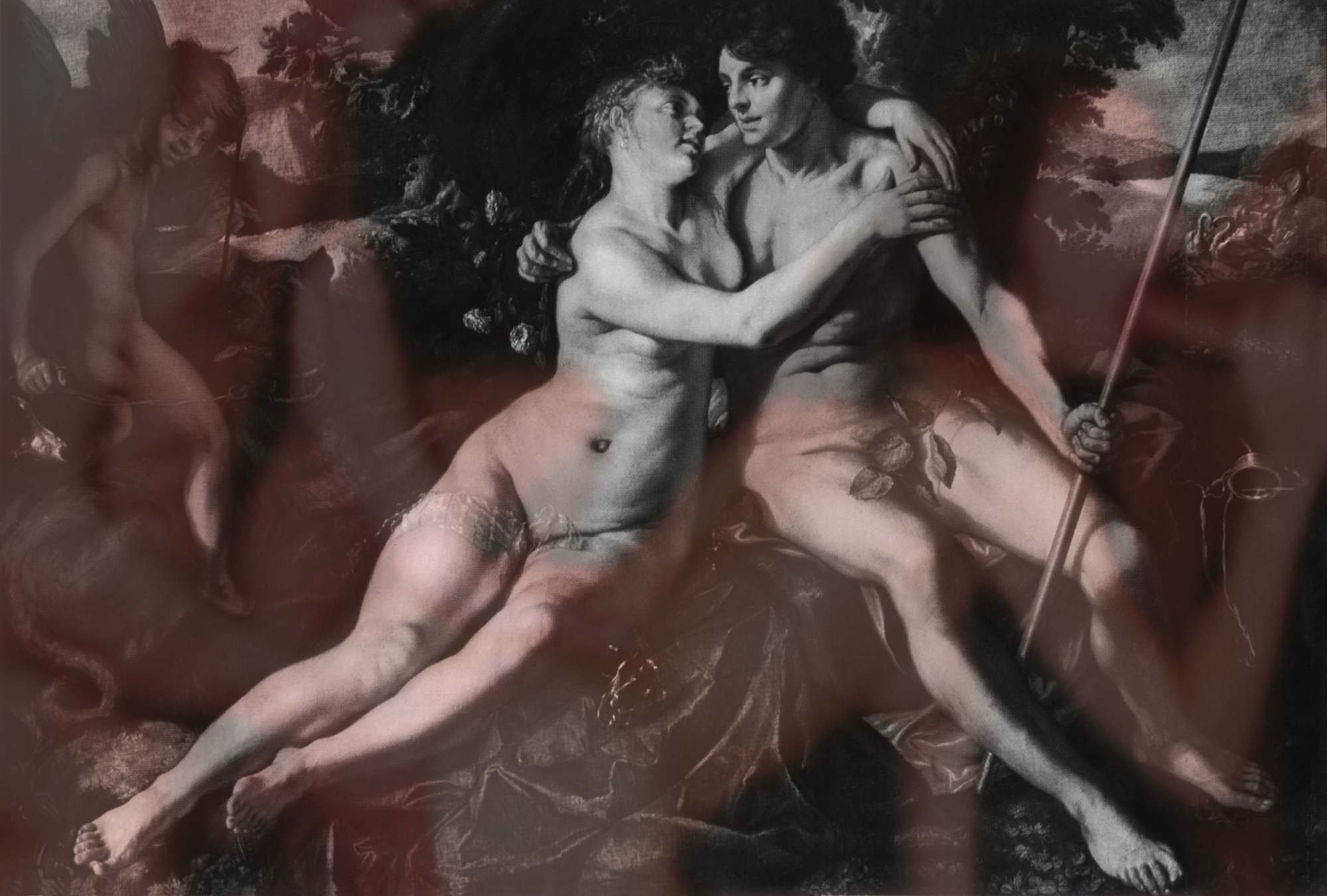


Crossover
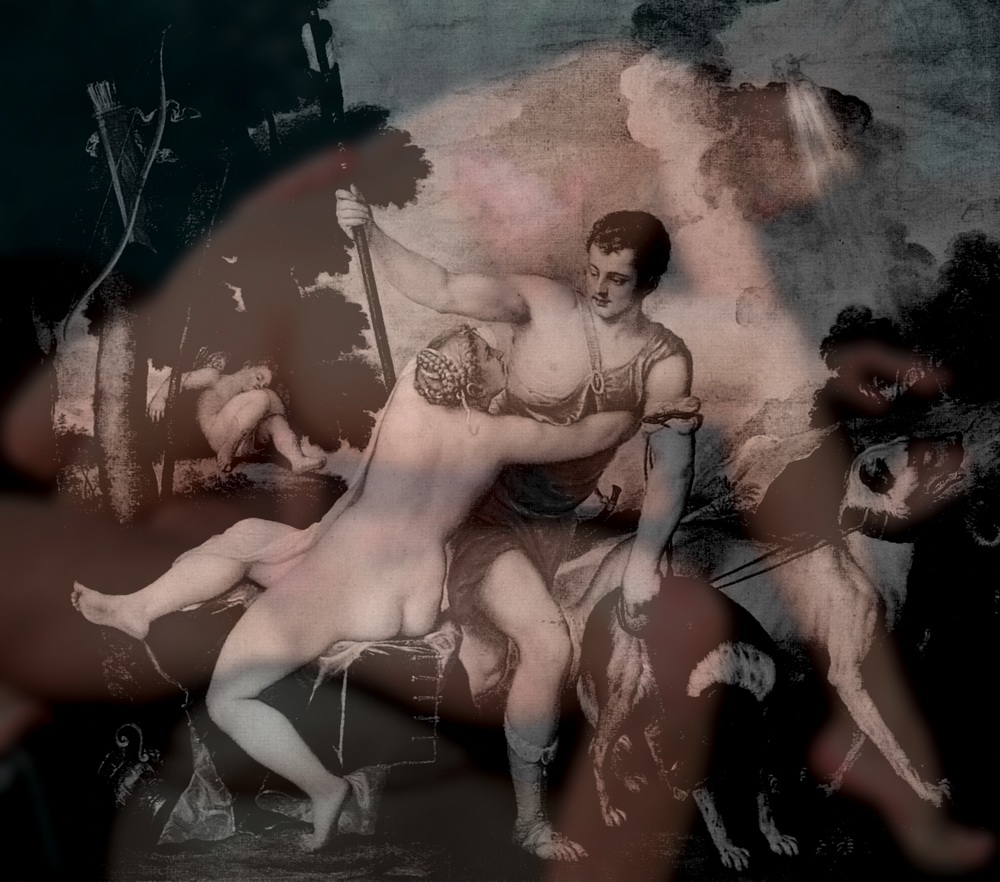
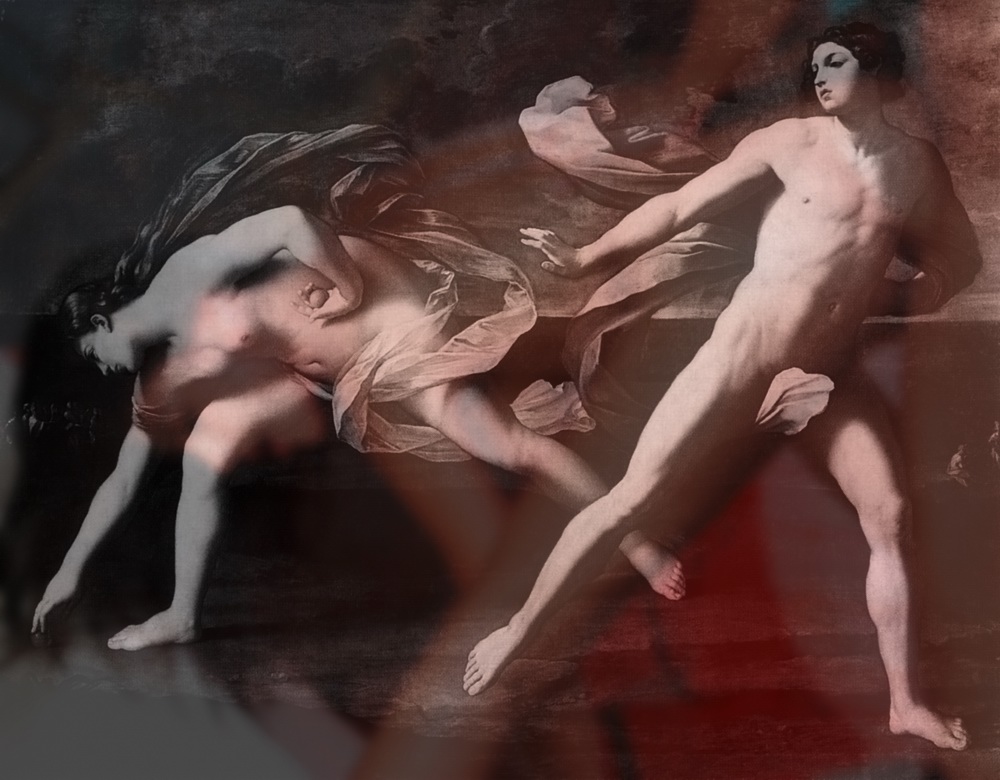
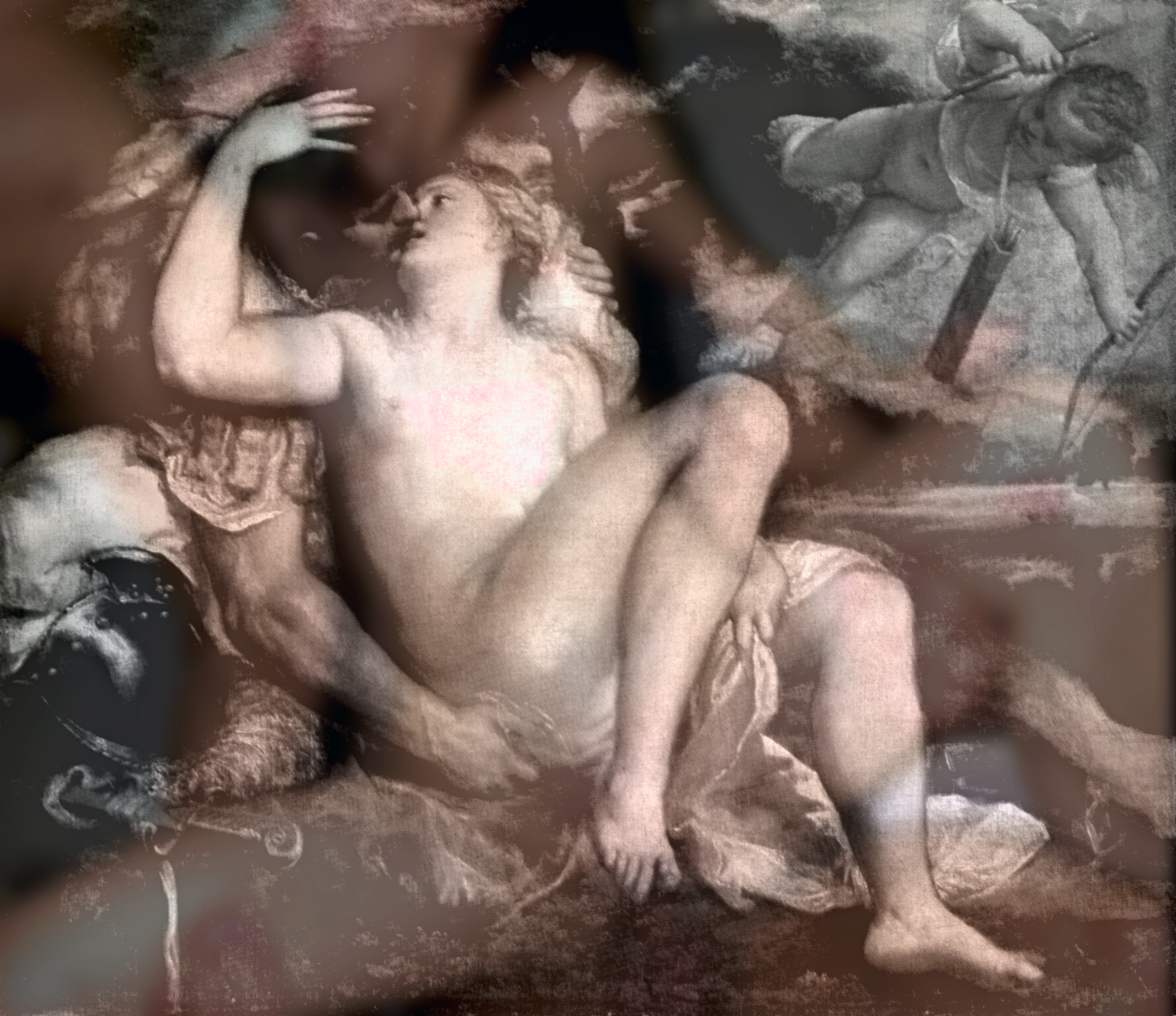
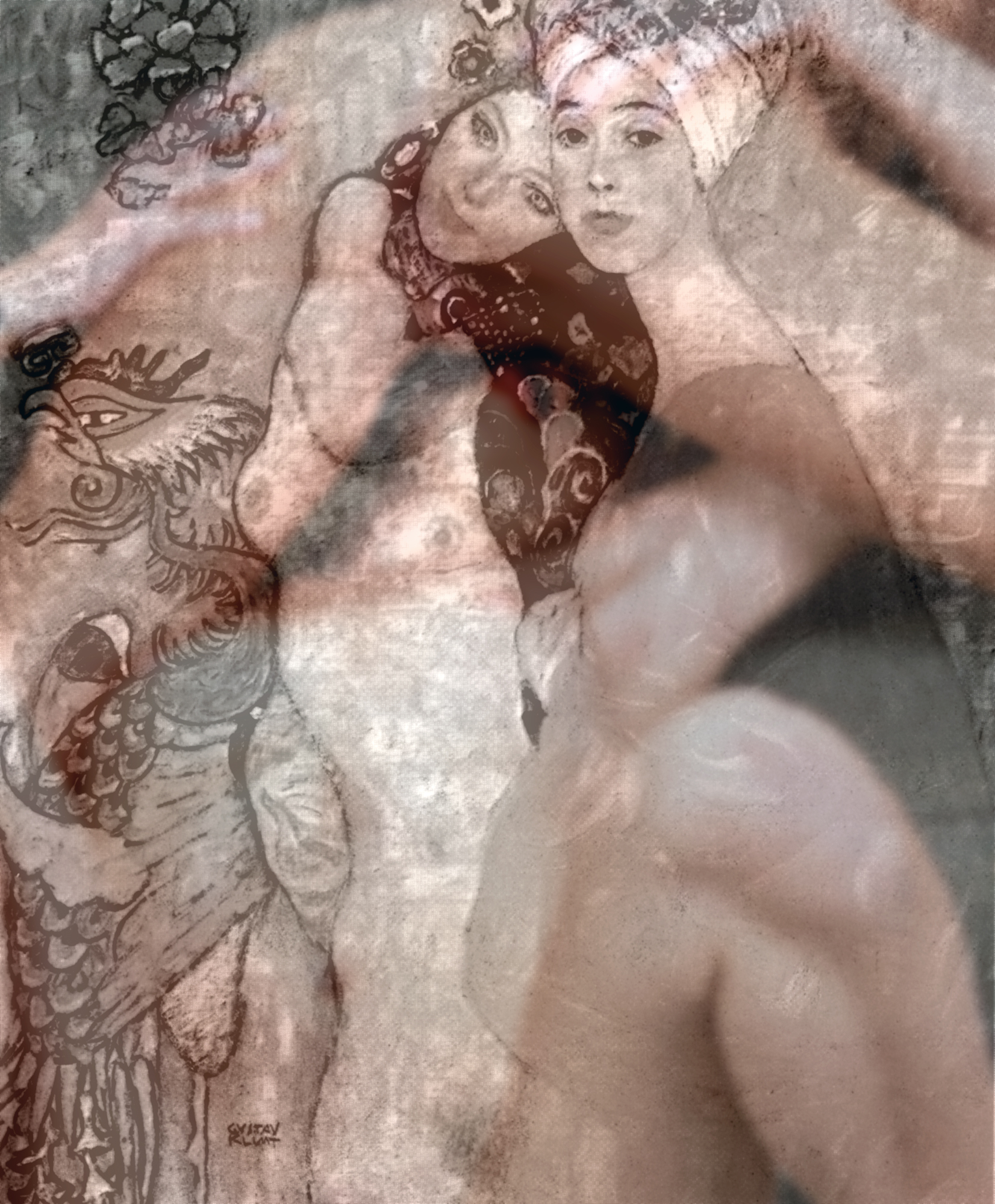
Art history meets pop culture; the quiet restraint of Classical painting encounters the explicit visual culture of the present. Crossover explores eroticism not through a linear narrative, but through the superposition of two historically distinct ways of representing intimacy, desire, and the human body.
Each work combines a classical painting of the nude with a blurred contemporary erotic or pornographic photograph using analog double exposure. The composition follows a strict formal rule: the number of protagonists remains identical in both visual layers. Rather than illustrating or explaining the original scene, the photographic layer becomes an alternative visual language—one that is woven into the historical image instead of competing with it.
For centuries, eroticism in Western art was filtered through mythology, religion, and allegory. Desire could be suggested, but rarely shown explicitly. Contemporary visual culture has largely reversed this relationship: intimacy is immediate, accessible, and often stripped of symbolic distance.
Although separated by centuries, both traditions ultimately revolve around the same human impulses—desire, curiosity, intimacy, and the representation of the body. Crossover brings these two visual cultures into dialogue rather than opposition. The deliberate blur transforms explicit imagery into something ambiguous and suggestive, reducing voyeurism while opening a space for interpretation.
Instead of asking what happened "after the scene," Crossover asks how the visual language of eroticism has changed over time. Somewhere between suggestion and explicitness, between idealization and exposure, a playful conversation emerges—one that invites viewers to reflect on how every era invents its own way of looking at the same human experience.
Archival Pigment Prints.